
Kathi-Ann Busha
LCMHCUtah · 6 yrs exp
LCMHC in Utah - Anger and Trauma
Stress, Anxiety · Trauma and abuse · Self esteem · Depression · +8 more
Read profileTherapist listings are provided by BetterHelp. We will earn a commission at no additional cost to you if you use our links to purchase.
Compare profiles of clinicians who list anger and frustration among their specialties in Utah to find professionals whose focus and style match your needs. Browse profiles to compare focus areas, approaches, languages, academic degrees, and professional credentials before reaching out.
Utah · 6 yrs exp
LCMHC in Utah - Anger and Trauma
Stress, Anxiety · Trauma and abuse · Self esteem · Depression · +8 more
Read profile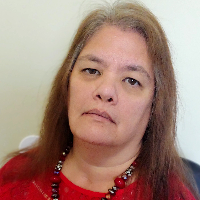
Utah · 17 yrs exp
Licensed Clinical Mental Health Counselor - anger and related concerns
Stress, Anxiety · Trauma and abuse · Anger · Depression · +13 more
Read profile
Utah · 30 yrs exp
LICSW clinician - Anger and mood concerns
Stress, Anxiety · Trauma and abuse · Grief · Anger · +1 more
Read profile
Utah · 23 yrs exp
Licensed Clinical Social Worker - Anger and Stress
Stress, Anxiety · Anger · Self esteem · Career · +1 more
Read profile
Utah · 14 yrs exp
Licensed Clinical Mental Health Counselor - Anger and Stress
Stress, Anxiety · Addictions · Relationship · Depression · +14 more
Read profile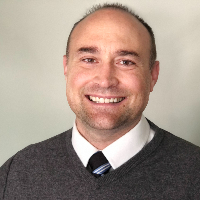
Utah · 11 yrs exp
LCMHC in Utah - Stress and Anger care
Stress, Anxiety · Family · Self esteem · Depression · +5 more
Read profile
Utah · 11 yrs exp
Licensed Clinical Social Worker - Anger and Mood concerns
Stress, Anxiety · Addictions · Relationship · Trauma and abuse · +16 more
Read profile
Utah · 7 yrs exp
Licensed Clinical Mental Health Counselor - Anxiety and Anger
Stress, Anxiety · Relationship · Trauma and abuse · Self esteem · +9 more
Read profile
Utah · 23 yrs exp
LPCC counselor - Anger and stress
Stress, Anxiety · Addictions · Family · Trauma and abuse · +12 more
Read profile
Utah · 6 yrs exp
LCSW in Utah - Anxiety and Anger
Stress, Anxiety · Relationship · Depression · ADHD · +10 more
Read profile
Utah · 32 yrs exp
Psychologist - Anger and Mood Concerns
Stress, Anxiety · Self esteem · Bipolar · Depression · +9 more
Read profile
Utah · 9 yrs exp
Licensed Clinical Social Worker - Anger and Mood Concerns
Stress, Anxiety · Relationship · Parenting · Self esteem · +7 more
Read profile
Utah · 6 yrs exp
Licensed Clinical Social Worker - Anger and relationships
Stress, Anxiety · Addictions · Relationship · Trauma and abuse · +12 more
Read profile
Utah · 10 yrs exp
Licensed counselor - Anger and mood concerns
Stress, Anxiety · Addictions · Trauma and abuse · Grief · +14 more
Read profile
Utah · 35 yrs exp
Licensed Mental Health Counselor - Relationships and Trauma
Relationship · Family · Trauma and abuse · Intimacy-related issues · +16 more
Read profile
Utah · 8 yrs exp
LCMHC counselor - trauma and anger
Stress, Anxiety · LGBT · Trauma and abuse · Intimacy-related issues · +14 more
Read profile
Utah · 20 yrs exp
Dr. Kathleen Bailey LMFT - Relationships and Anger
Stress, Anxiety · Addictions · Relationship · Family · +13 more
Read profile
Utah · 11 yrs exp
LCSW - Anger and Relationship concerns
Stress, Anxiety · Relationship · Trauma and abuse · Self esteem · +13 more
Read profile
Utah · 20 yrs exp
LCSW - Anger and Relationship concerns
Stress, Anxiety · Relationship · Grief · Depression · +12 more
Read profile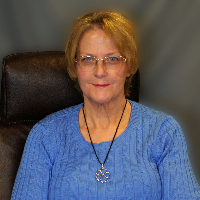
Utah · 25 yrs exp
LCSW - Anger and mood concerns
Stress, Anxiety · Family · Trauma and abuse · Anger · +15 more
Read profile
Utah · 20 yrs exp
Licensed Clinical Social Worker - Relationships and Anger
Relationship · Family · Trauma and abuse · Parenting · +13 more
Read profile
Utah · 34 yrs exp
LMFT in Utah - relationships and anger
Relationship · Trauma and abuse · Self esteem · Bipolar · +13 more
Read profile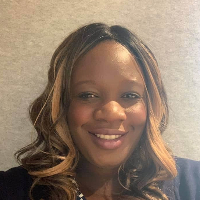
Utah · 20 yrs exp
LCSW - Anger and Relationship Concerns
Stress, Anxiety · Addictions · Trauma and abuse · Self esteem · +12 more
Read profile
Utah · 22 yrs exp
Licensed counselor - Anger and relationships
Addictions · Relationship · Trauma and abuse · Stress, Anxiety · +11 more
Read profile
Utah · 8 yrs exp
LCMHC counselor - Anger and relationships
Stress, Anxiety · Relationship · Trauma and abuse · Self esteem · +14 more
Read profile
Utah · 20 yrs exp
Dr. Susan Frauenholtz - LCSW LISW, Anger and Stress
Stress, Anxiety · Trauma and abuse · Grief · Self esteem · +14 more
Read profile
Utah · 13 yrs exp
Licensed counselor - Anger and relationships
Stress, Anxiety · Addictions · Relationship · Family · +7 more
Read profile
Utah · 11 yrs exp
Licensed counselor - Anger and trauma
Family · Trauma and abuse · Anger · Self esteem · +10 more
Read profile
Utah · 25 yrs exp
LMFT - Relationships and Anger
Relationship · Family · Parenting · Anger · +14 more
Read profile
Utah · 9 yrs exp
Licensed Marriage and Family Therapist - Anger and Relationships
Stress, Anxiety · Addictions · Relationship · Family · +11 more
Read profile
Utah · 18 yrs exp
Utah psychologist - anger and relationship concerns
Stress, Anxiety · Relationship · Trauma and abuse · Bipolar · +13 more
Read profile
Utah · 10 yrs exp
Licensed counselor - Anger and trauma
Stress, Anxiety · Addictions · Trauma and abuse · Self esteem · +12 more
Read profile
Utah · 25 yrs exp
LCSW - Anger and Relationship concerns
Stress, Anxiety · Relationship · Trauma and abuse · Grief · +14 more
Read profile
Utah · 21 yrs exp
LICSW - Anger and Relationship Concerns
Addictions · Family · Trauma and abuse · Parenting · +15 more
Read profile
Utah · 7 yrs exp
LCSW - Anger and life transitions
Addictions · Grief · Self esteem · Depression · +9 more
Read profile
Utah · 11 yrs exp
LMFT - Anger and Relationship Concerns
Stress, Anxiety · Grief · Self esteem · Depression · +12 more
Read profile
Utah · 23 yrs exp
LCSW - Anger and relationship concerns
Stress, Anxiety · Grief · Self esteem · Depression · +14 more
Read profile
Utah · 21 yrs exp
LMHC and LPC - Anger and Trauma
Stress, Anxiety · Trauma and abuse · Parenting · Depression · +13 more
Read profile
Utah · 17 yrs exp
Licensed Clinical Social Worker - Anger and Relationships
Stress, Anxiety · Trauma and abuse · Self esteem · Depression · +9 more
Read profile
Utah · 19 yrs exp
Dr. Matthew Reiser - Psychologist focused on anger and relationships
Stress, Anxiety · Relationship · Trauma and abuse · Self esteem · +14 more
Read profile
Utah · 6 yrs exp
Licensed Clinical Social Worker - Anger and Relationships
Stress, Anxiety · Addictions · Family · Grief · +8 more
Read profile
Utah · 5 yrs exp
LCSW - Anger and Mood Concerns
Stress, Anxiety · Anger · Self esteem · Depression · +11 more
Read profile
Utah · 15 yrs exp
Licensed clinical social worker - Anger and mood concerns
Relationship · Family · Grief · Parenting · +12 more
Read profile
Utah · 5 yrs exp
Licensed counselor - anxiety and anger
Stress, Anxiety · Addictions · Trauma and abuse · Self esteem · +8 more
Read profile
Utah · 11 yrs exp
LMFT - Relationships and Anger
Relationship · Family · Trauma and abuse · Parenting · +15 more
Read profile
Utah · 7 yrs exp
LCSW helping with anger and parenting
Stress, Anxiety · Parenting · Self esteem · Depression · +8 more
Read profile
Utah · 12 yrs exp
Licensed Clinical Social Worker - grief and anger
Grief · Self esteem · Coping with life changes · Compassion fatigue · +14 more
Read profile
Utah · 9 yrs exp
LCSW - Anxiety and Anger support
Stress, Anxiety · Grief · Self esteem · Coping with life changes · +8 more
Read profile
Utah · 21 yrs exp
LMFT - Anger and Relationship struggles
Stress, Anxiety · Relationship · Family · Trauma and abuse · +14 more
Read profile
Utah · 8 yrs exp
LPC LCPC - Anxiety and Addictions
Stress, Anxiety · Addictions · Trauma and abuse · Bipolar · +15 more
Read profile
Utah · 50 yrs exp
Licensed Clinical Social Worker - Anger and Addiction
Stress, Anxiety · Intimacy-related issues · Self esteem · Depression · +7 more
Read profile
Utah · 7 yrs exp
Licensed Clinical Mental Health Counselor - Anger and Relationships
Stress, Anxiety · Addictions · Relationship · Trauma and abuse · +10 more
Read profile
Utah · 6 yrs exp
LCSW - Anger and trauma related concerns
Stress, Anxiety · Addictions · Trauma and abuse · Self esteem · +7 more
Read profile
Utah · 6 yrs exp
Licensed Clinical Social Worker - Anger and Mood concerns
Stress, Anxiety · Trauma and abuse · Anger · Depression · +14 more
Read profile
Utah · 10 yrs exp
Licensed counselor - anger and trauma
Stress, Anxiety · Trauma and abuse · Self esteem · Depression · +11 more
Read profile
Utah · 30 yrs exp
Dr. Timothy Tobin LPC LCMHC - Anger and Addictions
Stress, Anxiety · Addictions · Trauma and abuse · Grief · +12 more
Read profile
Utah · 18 yrs exp
Licensed Clinical Social Worker - Anger and Relationships
Stress, Anxiety · Relationship · Family · Parenting · +11 more
Read profile
Utah · 8 yrs exp
LMHC in Utah - Anger and Relationships
Stress, Anxiety · Addictions · Trauma and abuse · Depression · +7 more
Read profile
Utah · 5 yrs exp
Licensed Clinical Social Worker - Anger & Trauma
Stress, Anxiety · Trauma and abuse · Anger · Self esteem · +1 more
Read profile
Utah · 10 yrs exp
LCSW - Anger and Trauma care
Stress, Anxiety · Trauma and abuse · Anger · Self esteem · +1 more
Read profileWhen anger shows up as frequent irritability, sudden outbursts, simmering resentment, or stress that affects your work and relationships, you are not alone in wanting to understand what is happening and how to respond. You may be looking for ways to reduce the frequency or intensity of reactions, to repair or protect important relationships, or to manage workplace conflicts without escalating. Describing what you notice in daily life - whether it is impatient responses with family, tension at work, or feeling on edge after difficult events - helps you and a clinician focus on practical priorities rather than labels.
You might also be weighing safety concerns. If anyone is at risk of harm, including you, contact local emergency services or a domestic-abuse helpline immediately. A directory entry does not evaluate risk or provide crisis response. Use what you learn here to prepare questions and goals to discuss with a clinician, and remember that no listing guarantees a fit or a particular type of outcome.
This directory groups profiles under the listed location Utah so you can find clinicians who indicate they work with individuals in or from the state. A listed location does not prove there is an office at that address, that a clinician is physically nearby, or that they have current permission to practice where you live. Always check the individual profile and confirm permission to work together where you live before making decisions.
Academic degrees such as PhD, PsyD, MD, MA, or MSW describe education but do not, by themselves, establish the legal right to provide clinical care in a jurisdiction. Professional permission to practice looks different in different countries. In the United States clinicians are typically described as licensed; in the United Kingdom clinicians may be registered or members of professional bodies; in Australia clinicians may hold registration or membership with relevant boards and associations. Profiles may list degrees, registrations, memberships, or licensing terms. When comparing profiles, note which credential type is listed and ask the clinician to clarify their current permission to practice with clients in Utah if that is where you live.
Profiles often list therapeutic approaches and areas of focus, but those listings are descriptions offered by clinicians and are not proof of specific training or certification. You can use short, direct questions to learn how a clinician describes their work. Ask whether they have experience with the types of situations you face, for example whether they have worked with long-term resentment, workplace stress that leads to conflict, or impulse-driven outbursts. You might ask how they typically help people who want more control over anger without minimizing feelings.
When a profile lists particular approaches, use questions that clarify fit rather than assume competence. You can ask whether a clinician commonly uses skills-focused strategies, emotion-focused conversation, trauma-aware practices, problem-solving around triggers, or other ways to address anger and its effects. If a profile lists EMDR, mindfulness-based approaches, or cognitive-behavioral techniques, say: "I see you list X among your approaches - can you describe how you use that approach when someone is dealing with anger or irritability?" That phrasing keeps the focus on what the clinician actually does for issues like yours rather than implying certification or guaranteed outcomes.
If you plan to work remotely, there are practical and ethical details to consider. Online talk therapy is an option many people use, but it is not a court-ordered anger-management course, a certification program, or a substitute for legal or safety interventions. Before you begin, clarify the clinician's geographic scope - whether they have permission to work with clients in Utah - and ask about emergency planning so you and the clinician have a clear understanding of what to do if a crisis occurs during a session.
Also talk about the technology and communication style you prefer, how you and the clinician will manage privacy and data, and what methods of contact are appropriate between sessions. If you have concerns about children, couples, or family work, ask directly whether the clinician treats those groups, since a listed topic does not establish that someone treats children or families. Discussing expectations about session structure, goals, and how progress is measured can help you decide whether a clinician's style matches what you want to try.
When you compare profiles, look for concrete signals that matter to you. Focus areas can include anger related to work stress, parenting challenges, relationship conflict, or underlying trauma. Read how a clinician describes the populations they see and the problems they highlight, and remember that "anger" on a profile is a starting point, not a guarantee of expertise in every related area. If language is important, check which languages a clinician lists and ask whether they conduct clinical conversation in those languages.
Compare credentials carefully. A degree tells you about education; professional licenses, registrations, or memberships tell you about the clinician's stated permission to practice in particular places. In the US ask whether they are licensed for practice in Utah. In the UK and Australia ask about registration or professional membership and what that means for working with clients in different regions. Think about clinical style as well - some people prefer a direct, skills-oriented approach that focuses on strategies to manage reactions, while others prefer a reflective, exploratory style that looks at emotions and underlying patterns. Ask concrete questions such as: "Do you work more with skill-building or with exploring emotions?" and "Have you worked with people whose anger affects their job or close relationships?" Those kinds of questions can help you compare profiles by the factors that matter most to your situation.
Finally, remember that each profile is a starting point. Use the information you find here to prepare a brief set of questions and goals to discuss directly with any clinician you contact. Confirm their permission to work with you where you live, ask about how they approach anger-related concerns, and make sure you understand practical arrangements such as communication, privacy, and emergency plans. If anyone's situation involves immediate danger, contact emergency services or a domestic-abuse helpline right away. This directory helps you narrow possibilities, but direct conversation with a clinician is the best way to assess fit for your needs.
Addictions
5737 therapists
ADHD
5401 therapists
Bipolar
5157 therapists
Chronic Illness
2195 therapists
Chronic Pain
2195 therapists
Control Issues
4602 therapists
Depression
8496 therapists
Domestic Violence
3252 therapists
Grief
7547 therapists
Guilt and Shame
6113 therapists
Impulsivity
3846 therapists
Isolation / Loneliness
5756 therapists
Mood Disorders
4918 therapists
Panic Disorder and Panic Attacks
4629 therapists
Post-Traumatic Stress
5269 therapists
Self Esteem
8406 therapists
Sleeping Disorders
3339 therapists
Stress & Anxiety
8812 therapists
Trauma and Abuse
7734 therapists
Career
6179 therapists
Caregiver Issues and Stress
4436 therapists
Codependency
4288 therapists
Communication Problems
6455 therapists
Coping with Life Changes
8020 therapists
Divorce
4838 therapists
Family
7660 therapists
Family of Origin Issues
3317 therapists
Forgiveness
5565 therapists
Infidelity
3424 therapists
Jealousy
3429 therapists
Money and Financial Issues
2747 therapists
Parenting
6670 therapists
Relationship
7984 therapists
Workplace Issues
4831 therapists