
Velma Jones
LCSWNew York · 29 yrs exp
Licensed Clinical Social Worker - Anger and Relationships
Stress, Anxiety · Relationship · Trauma and abuse · Depression · +10 more
Read profileTherapist listings are provided by BetterHelp. We will earn a commission at no additional cost to you if you use our links to purchase.
This page groups professionals who list infidelity as a focus and who also indicate anger or frustration among their concerns. You can compare listed location, focus areas, languages, credentials, and therapeutic approaches - browse profiles to learn more and contact therapists directly.
New York · 29 yrs exp
Licensed Clinical Social Worker - Anger and Relationships
Stress, Anxiety · Relationship · Trauma and abuse · Depression · +10 more
Read profile
Oklahoma · 21 yrs exp
LMFT - Relationships and Anger
Stress, Anxiety · Relationship · Family · Self esteem · +8 more
Read profile
Ohio · 25 yrs exp
LPCC counselor - anger and stress
Stress, Anxiety · LGBT · Relationship · Self esteem · +16 more
Read profile
Colorado · 19 yrs exp
LCSW - Anger and relationship work
Stress, Anxiety · Relationship · Trauma and abuse · Grief · +12 more
Read profile
South Carolina · 16 yrs exp
LMFT focusing on relationships and anger
Stress, Anxiety · Relationship · Family · Parenting · +14 more
Read profile
Texas · 13 yrs exp
LCSW - Anger and Relationship Concerns
Stress, Anxiety · Relationship · Trauma and abuse · Anger · +11 more
Read profile
Florida · 20 yrs exp
FL LMHC - Addiction and Anger support
Stress, Anxiety · Addictions · Relationship · Self esteem · +16 more
Read profile
Massachusetts · 23 yrs exp
LMHC - Anger and Relationship concerns
Addictions · LGBT · Relationship · Intimacy-related issues · +12 more
Read profile
Florida · 39 yrs exp
Florida LMHC - Anger and relationships
Stress, Anxiety · Relationship · Family · Parenting · +14 more
Read profile
Mississippi · 16 yrs exp
Licensed counselor - Relationships and Anger
Stress, Anxiety · Relationship · Family · Parenting · +6 more
Read profile
Kansas · 12 yrs exp
Licensed Clinical MFT - Relationships and Anger
Stress, Anxiety · Relationship · Intimacy-related issues · Depression · +13 more
Read profile
Kentucky · 18 yrs exp
Licensed Marriage and Family Therapist - Anger and Relationships
LGBT · Relationship · Family · Self esteem · +14 more
Read profile
New York · 9 yrs exp
LMHC in New York - Anger and Relationships
Addictions · LGBT · Intimacy-related issues · Depression · +9 more
Read profile
Louisiana · 7 yrs exp
Licensed Professional Counselor - Anger and Trauma
Stress, Anxiety · Family · Trauma and abuse · Parenting · +15 more
Read profile
Florida · 25 yrs exp
Licensed Mental Health Counselor - Relationships and Trauma
Relationship · Trauma and abuse · Grief · Anger · +12 more
Read profile
Texas · 12 yrs exp
Licensed marriage and family therapist - Anger and relationships
Stress, Anxiety · Addictions · Relationship · Grief · +11 more
Read profile
Pennsylvania · 27 yrs exp
Licensed Clinical Social Worker - Anger and Relationships
Stress, Anxiety · Relationship · Parenting · Self esteem · +14 more
Read profile
New York · 5 yrs exp
Licensed Mental Health Counselor - Anger and Mood
Stress, Anxiety · LGBT · Trauma and abuse · Bipolar · +12 more
Read profile
Pennsylvania · 12 yrs exp
Licensed counselor - anger and relationship concerns
Stress, Anxiety · Relationship · Self esteem · Depression · +11 more
Read profile
Illinois · 20 yrs exp
Licensed Clinical Professional Counselor - Anger and Mood
Stress, Anxiety · LGBT · Anger · Self esteem · +12 more
Read profile
Florida · 26 yrs exp
Florida LMHC - Anger and Stress support
Relationship · Grief · Self esteem · Depression · +13 more
Read profile
Missouri · 16 yrs exp
LCSW - Anger and Emotional Regulation
Stress, Anxiety · Trauma and abuse · Self esteem · Bipolar · +12 more
Read profile
North Carolina · 10 yrs exp
Licensed clinical social worker - Anger and relationships
Stress, Anxiety · Relationship · Family · Bipolar · +16 more
Read profile
Tennessee · 15 yrs exp
LCSW - Anger and Trauma support
Stress, Anxiety · LGBT · Family · Trauma and abuse · +16 more
Read profile
Missouri · 7 yrs exp
LPC in Missouri - Anger and Addiction focus
Stress, Anxiety · Addictions · Relationship · Self esteem · +13 more
Read profile
Florida · 17 yrs exp
Florida LMHC - Anger and Relationships
Stress, Anxiety · Addictions · Relationship · Family · +14 more
Read profile
Louisiana · 10 yrs exp
Licensed Professional Counselor - Anger and Relationships
Stress, Anxiety · Relationship · Family · Depression · +12 more
Read profile
Texas · 10 yrs exp
Licensed Professional Counselor - Stress and Anger
Stress, Anxiety · Relationship · Family · Depression · +14 more
Read profile
Texas · 11 yrs exp
Licensed Professional Counselor - Anger and Relationships
Stress, Anxiety · Relationship · Family · Parenting · +9 more
Read profile
Ohio · 33 yrs exp
Licensed Professional Clinical Counselor - Anger and Trauma
Stress, Anxiety · Family · Trauma and abuse · Self esteem · +12 more
Read profile
Illinois · 10 yrs exp
Licensed Clinical Professional Counselor - Anger and Relationships
Stress, Anxiety · LGBT · Relationship · Trauma and abuse · +10 more
Read profile
Texas · 13 yrs exp
Licensed counselor and marriage therapist - anger and relationships
Stress, Anxiety · LGBT · Relationship · Trauma and abuse · +12 more
Read profile
Minnesota · 23 yrs exp
LMFT - Relationships and Anger
Stress, Anxiety · Relationship · Trauma and abuse · Self esteem · +13 more
Read profile
Florida · 12 yrs exp
Licensed Marriage and Family Therapist - Anger and Trauma
Stress, Anxiety · Addictions · Relationship · Family · +15 more
Read profile
Texas · 20 yrs exp
Dr. Michelle Harris LPC - Anger and Life Transitions
Family · Grief · Parenting · Self esteem · +7 more
Read profile
Colorado · 11 yrs exp
Licensed Professional Counselor - Anger and Anxiety
Stress, Anxiety · LGBT · Trauma and abuse · Anger · +15 more
Read profile
Michigan · 21 yrs exp
Licensed LMSW - Anger and Relationships
Stress, Anxiety · Relationship · Family · Bipolar · +14 more
Read profile
Texas · 21 yrs exp
Licensed Clinical Social Worker - Anger and Relationships
Stress, Anxiety · Relationship · Trauma and abuse · Intimacy-related issues · +15 more
Read profile
Missouri · 14 yrs exp
Licensed Professional Counselor - Anger and Stress
Stress, Anxiety · Self esteem · Career · Depression · +13 more
Read profile
California · 8 yrs exp
LMFT - Anger and relationships
Stress, Anxiety · Addictions · Relationship · Self esteem · +15 more
Read profile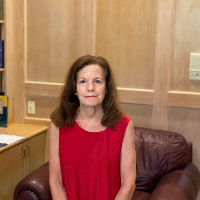
Massachusetts · 25 yrs exp
Licensed counselor - stress and relationships
Stress, Anxiety · Relationship · Family · Self esteem · +14 more
Read profile
South Dakota · 12 yrs exp
Licensed counselor - Anger and relationships
Stress, Anxiety · Relationship · Family · Trauma and abuse · +13 more
Read profile
Arizona · 30 yrs exp
Licensed counselor - anger and trauma focus
Stress, Anxiety · Trauma and abuse · Self esteem · Career · +11 more
Read profile
Michigan · 15 yrs exp
Licensed Professional Counselor - Anger and Relationship Support
Stress, Anxiety · Relationship · Family · Trauma and abuse · +9 more
Read profile
New Jersey · 8 yrs exp
LCSW - Anger and anxiety support
Stress, Anxiety · Relationship · Trauma and abuse · Bipolar · +14 more
Read profile
Wisconsin · 11 yrs exp
Licensed counselor - anger and relationships
Stress, Anxiety · Family · Trauma and abuse · Depression · +12 more
Read profile
Texas · 23 yrs exp
Licensed Professional Counselor - Anger and Relationships
Stress, Anxiety · Relationship · Self esteem · Career · +11 more
Read profile
Georgia · 25 yrs exp
Licensed social worker - Anger and relationships
Stress, Anxiety · Parenting · Anger · Self esteem · +15 more
Read profile
Texas · 18 yrs exp
Licensed Professional Counselor - Anger and Relationships
Stress, Anxiety · Relationship · Family · Parenting · +9 more
Read profile
Texas · 33 yrs exp
LCSW - Relationships and Anger
Stress, Anxiety · Relationship · Family · Self esteem · +11 more
Read profile
Texas · 20 yrs exp
Licensed social worker - Anger and relationships
Stress, Anxiety · Addictions · Family · Grief · +15 more
Read profile
Florida · 20 yrs exp
LMHC in Florida - Stress and Anger work
Stress, Anxiety · Grief · Self esteem · Depression · +9 more
Read profile
Ohio · 20 yrs exp
Ohio LISW - Stress and Anger support
Stress, Anxiety · LGBT · Family · Grief · +16 more
Read profile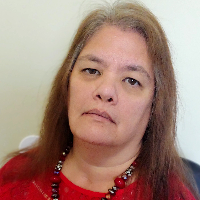
Utah · 17 yrs exp
Licensed Clinical Mental Health Counselor - anger and related concerns
Stress, Anxiety · Trauma and abuse · Anger · Depression · +13 more
Read profile
Louisiana · 10 yrs exp
Licensed Professional Counselor - Anger and Relationships
Stress, Anxiety · Trauma and abuse · Anger · Self esteem · +12 more
Read profile
Louisiana · 14 yrs exp
Licensed Professional Counselor - Anger and Parenting
Stress, Anxiety · Parenting · Anger · Self esteem · +1 more
Read profile
Ohio · 17 yrs exp
Ohio LISW - Stress and Anger
Stress, Anxiety · Family · Parenting · Depression · +12 more
Read profile
Illinois · 38 yrs exp
Licensed Clinical Professional Counselor - Anger and Stress
Stress, Anxiety · Self esteem · Depression · Coping with life changes · +9 more
Read profile
California · 20 yrs exp
LCSW - Anger and relationship concerns
Stress, Anxiety · Relationship · Family · Parenting · +15 more
Read profile
South Carolina · 5 yrs exp
Licensed Professional Counselor - Relationships and Anger
Relationship · Family · Trauma and abuse · Intimacy-related issues · +15 more
Read profileIf you are here because a breach of trust has left you feeling angry, resentful, or repeatedly triggered, you are not alone in wanting clarity about the next steps. Anger can show up as sudden outbursts, simmering resentment, heightened irritability, or intense stress that affects sleep, concentration, and work. You may find yourself replaying events, feeling unsafe emotionally, or struggling to manage reactions in conversations that once felt routine. Those responses are distressing whether you are the partner who experienced the betrayal, the partner who disclosed it, or someone coping with the aftermath in a blended family or workplace context.
It can help to separate the emotional experience from choices about care. This directory groups profiles so you can look for professionals who list both infidelity and anger or frustration among their focuses. That grouping is meant to help you identify profiles that mention the kinds of relationship strain and emotion regulation issues you are facing, so you can read about approaches, languages, and credentials that matter to you before reaching out.
Infidelity and anger often occur together, but one does not automatically cause the other in every situation. For some people, anger is a direct response to betrayal and the hurt of broken agreements. For others, anger may be shaped by long-standing communication patterns, unresolved resentment, or stress from work, parenting, or financial pressures that intensify after trust is damaged. You should understand this page as a way to find therapists who acknowledge both themes rather than as evidence that every therapist on the page treats one issue because of the other.
When you read profiles, notice how therapists describe the dynamics they address. Some describe work with individuals who want to process shock and grief alongside anger. Others describe work with couples who are navigating conversations about responsibility, boundaries, and rebuilding trust. Because these topics overlap with anger and frustration, you may find professionals who explicitly name emotional regulation, relationship repair, or communication skills among their focuses. Keep in mind that a listed focus does not speak to certification or a specific outcome - it is a prompt for the conversation you can have with a clinician about fit.
When you reach a profile that feels relevant, prepare concrete questions that will help you understand how a clinician works and whether that style matches your needs. You can ask how they typically approach cases involving betrayal and ongoing anger, what kinds of goals they set with clients, and whether they work primarily with individuals, couples, or both. If you are interested in particular approaches, ask whether the therapist lists those approaches among their methods - for example, therapists who list EMDR among their approaches, or therapists who list CBT among their approaches - and request a brief description of how those approaches might be used in your situation.
Be clear about credentials and what they mean in different countries. Academic degrees such as PhD, PsyD, MD, MA, and MSW indicate educational background. Licenses and legal permission to practice differ by location. In the United States, clinicians often hold licenses with abbreviations like LCSW, LMFT, LPC, or similar; in the United Kingdom and Australia, professionals typically reference registration or membership with national bodies. A degree alone does not confirm current permission to practice. If licensing or registration status matters to you, ask where the clinician is authorized to practice and whether they hold any relevant memberships or registrations in their listed country.
If you are considering remote sessions, raise practical and safety topics early so you know what to expect. Ask how the clinician structures remote sessions, what platforms they use, and what steps they take to manage interruptions and maintain a professional setting. Discuss boundaries around contact between sessions, typical session length, and how the clinician handles crises that might emerge during remote work. If you live in a different state or country than the clinician, ask about where they are permitted to practice to understand any legal or regulatory constraints. You can also ask whether they have experience working with people in similar time zones or cultural contexts to your own.
Safety planning is a critical part of care when anger and relationship conflict are intense. If you or someone else is in immediate danger, call local emergency services or a domestic-abuse helpline. Therapists can assist with safety planning and resources, but they cannot substitute for emergency response. Before you start, make sure you and the clinician have discussed what steps to take if a session becomes overwhelming, including whether you have local supports who can assist in an urgent situation.
Comparing profiles is most useful when you look for specific signals rather than vague promises. Read how a clinician describes the populations and issues they work with - do they list infidelity, anger, relationship repair, communication, or emotion regulation? Note the languages they indicate so you can consider whether communication will feel natural for you. Look at the academic degrees listed and the jurisdictions where the clinician practices; degrees such as MA or MSW tell you about training, while references to licensing, registration, or membership indicate professional authorization that varies by country.
Consider style questions that matter for day-to-day work. You might ask whether the clinician tends to take a directive or exploratory stance, whether they help clients develop practical emotion management strategies, and how they involve partners or family members when appropriate. If a clinician lists particular approaches among their methods, ask them to explain how those approaches might look in sessions with you. Practical comparison questions include: Which populations do you work with most often - individuals, couples, or families? Which languages do you conduct sessions in? In what jurisdiction are you authorized to practice, and what does that authorization cover? How do you typically handle conflict or intense emotion during a session? These questions will give you a clearer sense of whether a profile points to a good match for the work you want to do.
Ultimately, this page is a starting point to help you find professionals who mention the concerns you are facing. Use profiles to gather information, prepare targeted questions, and reach out to clinicians who seem aligned with your needs. The presence of infidelity and anger on a profile signals a focus area to explore further through direct conversation with a therapist about fit, approach, and the practicalities of care.
Alabama
120 therapists
Alaska
15 therapists
Arizona
124 therapists
Arkansas
62 therapists
Australia
103 therapists
California
520 therapists
Colorado
177 therapists
Connecticut
71 therapists
Delaware
24 therapists
District of Columbia
20 therapists
Florida
929 therapists
Georgia
283 therapists
Hawaii
25 therapists
Idaho
51 therapists
Illinois
244 therapists
Indiana
135 therapists
Iowa
41 therapists
Kansas
57 therapists
Kentucky
91 therapists
Louisiana
157 therapists
Maine
40 therapists
Maryland
130 therapists
Massachusetts
96 therapists
Michigan
253 therapists
Minnesota
92 therapists
Mississippi
78 therapists
Missouri
230 therapists
Montana
49 therapists
Nebraska
39 therapists
Nevada
39 therapists
New Hampshire
24 therapists
New Jersey
169 therapists
New Mexico
42 therapists
New York
335 therapists
North Carolina
349 therapists
North Dakota
4 therapists
Ohio
209 therapists
Oklahoma
115 therapists
Oregon
53 therapists
Pennsylvania
262 therapists
Rhode Island
18 therapists
South Carolina
165 therapists
South Dakota
23 therapists
Tennessee
131 therapists
Texas
782 therapists
United Kingdom
1531 therapists
Utah
60 therapists
Vermont
12 therapists
Virginia
158 therapists
Washington
88 therapists
West Virginia
33 therapists
Wisconsin
127 therapists
Wyoming
18 therapists