
Dr. Julie McCune
LPCCOhio · 25 yrs exp
LPCC counselor - anger and stress
Stress, Anxiety · LGBT · Relationship · Self esteem · +16 more
Read profileTherapist listings are provided by BetterHelp. We will earn a commission at no additional cost to you if you use our links to purchase.
Browse Ohio therapist profiles to compare focus areas, approaches, languages and credentials among professionals who list anger and frustration. Check each profile's listed location and details, and confirm with the clinician whether they can work with you where you live before contacting them.
Ohio · 25 yrs exp
LPCC counselor - anger and stress
Stress, Anxiety · LGBT · Relationship · Self esteem · +16 more
Read profile
Ohio · 3 yrs exp
Ohio LPCC focused on Anger and Anxiety
Addictions · Family · Anger · Depression · +6 more
Read profile
Ohio · 33 yrs exp
Licensed Professional Clinical Counselor - Anger and Trauma
Stress, Anxiety · Family · Trauma and abuse · Self esteem · +12 more
Read profile
Ohio · 20 yrs exp
Ohio LPCC - Anger and life transitions
Stress, Anxiety · Addictions · Relationship · Family · +15 more
Read profile
Ohio · 20 yrs exp
Ohio LISW - Stress and Anger support
Stress, Anxiety · LGBT · Family · Grief · +16 more
Read profile
Ohio · 17 yrs exp
Ohio LISW - Stress and Anger
Stress, Anxiety · Family · Parenting · Depression · +12 more
Read profile
Ohio · 16 yrs exp
Ohio LPCC - Anger and Life Changes
Stress, Anxiety · Depression · Coping with life changes · Addictions · +11 more
Read profile
Ohio · 13 yrs exp
Ohio LPCC - Anger and Mood Concerns
Stress, Anxiety · Addictions · Family · Self esteem · +11 more
Read profile
Ohio · 14 yrs exp
LIMFT - Anger and relationship concerns
Stress, Anxiety · Addictions · Relationship · Family · +9 more
Read profile
Ohio · 35 yrs exp
LISW in Ohio - mood and anger concerns
Addictions · Trauma and abuse · Self esteem · Bipolar · +7 more
Read profile
Ohio · 23 yrs exp
Licensed professional counselor - Anger and mood concerns
Stress, Anxiety · Relationship · Trauma and abuse · Bipolar · +11 more
Read profile
Ohio · 19 yrs exp
Ohio LISW - Anger and Life Transitions
Stress, Anxiety · Depression · Coping with life changes · Addictions · +10 more
Read profile
Ohio · 12 yrs exp
Ohio LISW - Stress and Anger support
Stress, Anxiety · Addictions · Trauma and abuse · Depression · +8 more
Read profile
Ohio · 13 yrs exp
LPCC LMHC - Anger and Life Transitions
Stress, Anxiety · Depression · Coping with life changes · Addictions · +8 more
Read profile
Ohio · 4 yrs exp
Ohio LISW - Anger and Relationship concerns
Stress, Anxiety · Relationship · Family · Parenting · +9 more
Read profile
Ohio · 24 yrs exp
Ohio LPCC - Anger and Mood Concerns
Stress, Anxiety · Trauma and abuse · Grief · Depression · +10 more
Read profile
Ohio · 8 yrs exp
Ohio LISW - Anger and Anxiety
Stress, Anxiety · Relationship · Grief · Self esteem · +12 more
Read profile
Ohio · 20 yrs exp
LISW focusing on anger and relationships
Stress, Anxiety · Relationship · Grief · Depression · +7 more
Read profile
Ohio · 27 yrs exp
LCSW - Anger and Relationship concerns
Addictions · Relationship · Trauma and abuse · Anger · +2 more
Read profile
Ohio · 20 yrs exp
Ohio LPCC - Anger and Stress support
Stress, Anxiety · Addictions · Relationship · Family · +15 more
Read profile
Ohio · 19 yrs exp
Ohio LIMFT - Anger and Relationships
Stress, Anxiety · Addictions · Family · Depression · +15 more
Read profile
Ohio · 36 yrs exp
Ohio LPCC - Anger and Emotional Regulation
Stress, Anxiety · Self esteem · Depression · Coaching · +15 more
Read profile
Ohio · 20 yrs exp
Licensed Independent Social Worker - Anger and Mood concerns
Stress, Anxiety · LGBT · Grief · Self esteem · +11 more
Read profile
Ohio · 7 yrs exp
LPCC counselor - Anger and relationships
Stress, Anxiety · Relationship · Trauma and abuse · Self esteem · +15 more
Read profile
Ohio · 20 yrs exp
Ohio LPCC - Anger and Stress
Stress, Anxiety · Relationship · Self esteem · Depression · +7 more
Read profile
Ohio · 14 yrs exp
Ohio LPCC - Stress and Anger support
Stress, Anxiety · Addictions · Anger · Self esteem · +1 more
Read profile
Ohio · 25 yrs exp
Licensed Independent Social Worker - Addiction and Anger
Addictions · Relationship · Grief · Self esteem · +12 more
Read profile
Ohio · 12 yrs exp
Ohio LPCC - Stress and Anger support
Stress, Anxiety · Trauma and abuse · Anger · Self esteem · +1 more
Read profile
Ohio · 10 yrs exp
LPCC in Ohio - anger and mood concerns
Stress, Anxiety · Trauma and abuse · Anger · Self esteem · +1 more
Read profile
Ohio · 5 yrs exp
Ohio LPCC - Stress and Anger
Stress, Anxiety · Family · Trauma and abuse · Parenting · +1 more
Read profile
Ohio · 17 yrs exp
LPCC in Ohio - Relationship and Anger work
Relationship · Trauma and abuse · Grief · Self esteem · +12 more
Read profile
Ohio · 15 yrs exp
Ohio LPCC - Stress and Anger support
Stress, Anxiety · Addictions · Family · Self esteem · +11 more
Read profile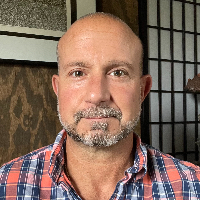
Ohio · 22 yrs exp
Licensed counselor - Anger and Addiction
Stress, Anxiety · Addictions · Self esteem · Depression · +16 more
Read profile
Ohio · 13 yrs exp
Ohio LPCC - Anger and Anxiety
Stress, Anxiety · Relationship · Self esteem · Depression · +12 more
Read profile
Ohio · 12 yrs exp
Ohio LPCC - Anger and Relationships
Stress, Anxiety · Relationship · Family · Trauma and abuse · +9 more
Read profile
Ohio · 45 yrs exp
Ohio LPCC - Anger and Trauma focus
Stress, Anxiety · Addictions · Trauma and abuse · Grief · +13 more
Read profile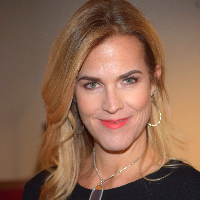
Ohio · 14 yrs exp
LISW counselor - Anger and life transitions
Stress, Anxiety · Parenting · Self esteem · Depression · +9 more
Read profile
Ohio · 14 yrs exp
LPCC in Ohio - Anger and Anxiety
Stress, Anxiety · Relationship · Trauma and abuse · Parenting · +12 more
Read profile
Ohio · 9 yrs exp
Licensed Professional Counselor - Anger and Stress
Stress, Anxiety · Self esteem · Depression · Coping with life changes · +11 more
Read profile
Ohio · 10 yrs exp
Licensed counselor - Anger and trauma
LGBT · Trauma and abuse · Grief · Depression · +10 more
Read profile
Ohio · 28 yrs exp
LISW in Ohio - Mood and Anger Concerns
Stress, Anxiety · Addictions · Trauma and abuse · Grief · +15 more
Read profile
Ohio · 22 yrs exp
Ohio psychologist - Anger and mood concerns
Stress, Anxiety · Relationship · Trauma and abuse · Bipolar · +16 more
Read profile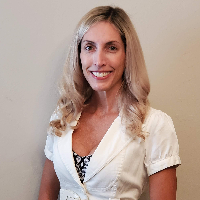
Ohio · 19 yrs exp
LCPC counselor - relationships and anger
Stress, Anxiety · Relationship · Grief · Intimacy-related issues · +14 more
Read profile
Ohio · 20 yrs exp
Ohio LPCC - Anger and Relationships
Stress, Anxiety · Relationship · Self esteem · Depression · +9 more
Read profile
Ohio · 7 yrs exp
Licensed counselor - Anger and relationships
Stress, Anxiety · Trauma and abuse · Parenting · Self esteem · +14 more
Read profile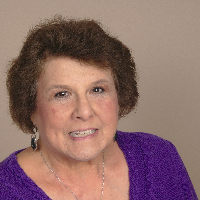
Ohio · 31 yrs exp
LISW counselor - anger and trauma
Stress, Anxiety · Addictions · LGBT · Trauma and abuse · +12 more
Read profile
Ohio · 18 yrs exp
Ohio LISW - Anger and Relationship Concerns
Stress, Anxiety · Family · Trauma and abuse · Depression · +9 more
Read profile
Ohio · 6 yrs exp
Ohio LPCC and WA LMHC - Anger and Trauma
Stress, Anxiety · Trauma and abuse · Self esteem · Depression · +8 more
Read profile
Ohio · 32 yrs exp
Licensed marriage and family therapist - Anger and relationships
Stress, Anxiety · Relationship · Family · Trauma and abuse · +13 more
Read profile
Ohio · 12 yrs exp
Ohio LPCC - Anger and Stress counselor
Stress, Anxiety · Relationship · Self esteem · Depression · +15 more
Read profile
Ohio · 11 yrs exp
Licensed counselor - Anger and relationships
Stress, Anxiety · LGBT · Relationship · Intimacy-related issues · +15 more
Read profile
Ohio · 18 yrs exp
LICSW in Ohio - Stress and Anger
Stress, Anxiety · Anger · Self esteem · Depression · +8 more
Read profile
Ohio · 14 yrs exp
LPCC counselor - Anger and Addictions
Stress, Anxiety · Addictions · Anger · Depression · +12 more
Read profile
Ohio · 23 yrs exp
Licensed Professional Clinical Counselor - Stress and Anger
Stress, Anxiety · Relationship · Grief · Coping with life changes · +11 more
Read profile
Ohio · 4 yrs exp
LISW - Stress and Anger support
Stress, Anxiety · Grief · Depression · Coping with life changes · +10 more
Read profile
Ohio · 18 yrs exp
Licensed Clinical Social Worker - Anger and Addiction
Stress, Anxiety · Addictions · Anger · Bipolar · +13 more
Read profile
Ohio · 28 yrs exp
Ohio LPCC - Addiction and Mood Concerns
Stress, Anxiety · Addictions · Parenting · Self esteem · +9 more
Read profile
Ohio · 15 yrs exp
LISW - Anger and relationship concerns
Stress, Anxiety · Family · Trauma and abuse · Grief · +9 more
Read profile
Ohio · 10 yrs exp
Licensed Professional Clinical Counselor - Anger, Addictions
Stress, Anxiety · Addictions · LGBT · Trauma and abuse · +12 more
Read profile
Ohio · 6 yrs exp
Ohio LPCC - Anger and Anxiety
Stress, Anxiety · Self esteem · Depression · Coping with life changes · +14 more
Read profileIf you find yourself wrestling with persistent irritability, sudden outbursts, or long-standing resentment, you are not alone. Anger can show up as low-level agitation that undermines patience, sharp reactions in stressful moments, or repeated conflicts that strain relationships and work. You may notice physical signs such as tense muscles, trouble sleeping, or a sense that small events escalate more quickly than they used to. You may also carry guilt or confusion about how your reactions affect people you care about. These are all valid reasons to look at professional profiles and consider reaching out to someone whose stated focus aligns with what you are experiencing.
When anger comes with a history of intimidation, threats, or violence, safety must be the priority. If you or someone else is in immediate danger call local emergency services right away, or reach out to a domestic-abuse helpline for support and advice. Therapy profiles can help you find clinicians who list anger among their focus areas, but profiles themselves do not replace urgent safety planning or crisis intervention.
The directory groups profiles under the listed location Ohio so you can see clinicians who indicate an association with that area. A listed location does not guarantee an office address, proximity, or that a clinician currently has permission to practice where you live. Always read the individual profile and contact the clinician directly to confirm whether they can legally and practically work with you in your state or country.
Credentials shown on profiles may include academic degrees such as PhD, PsyD, MD, MA or MSW. Academic degrees describe educational attainment but do not alone show current permission to practice. In the United States, professional permission to practice is often described as licensure and is granted by state boards. In the United Kingdom and Australia clinicians may be registered or belong to professional organizations that set standards. Profiles may list both degrees and registration or membership details; treat these as separate pieces of information and ask clinicians directly about their current status and what that means for your situation.
Profiles will often list focus areas and approaches, and those listings can guide the questions you bring to an initial conversation. Ask whether the clinician routinely works with people who experience irritability, explosive responses, resentment or stress-related anger, and inquire what kinds of concerns they have most often supported. If a profile notes particular approaches, phrase questions so they reflect that listing - for example, you might ask how they typically use approaches when supporting people with anger, or how they adapt a listed approach to fit individual needs. Phrase your questions in terms of what you want to learn about their approach rather than assuming training or certification.
Concrete questions you could raise include asking how they define progress for anger-related goals, what kinds of challenges people often bring in similar situations, and what they recommend discussing up front. You can ask about their experience working with issues that overlap with anger, such as workplace stress, relationship conflict, or coping with chronic stress. Remember that a listing of a focus area does not indicate that a clinician treats children, couples or families unless the profile says so explicitly; if that matters to you, raise it directly.
Many profiles will note online services as an option for connecting across distances. Before you begin an online conversation, discuss practical and safety-related topics with the clinician. Confirm whether they can work with you where you live, and ask how they handle emergency situations if you are not in the same locality. Talk about how to manage privacy in your own setting so you can speak freely in a comfortable environment, and discuss what to do if a session is interrupted by technology issues.
It is also reasonable to ask about session structure and expectations without requesting availability details. You might ask what a clinician typically covers in early sessions when people seek help for anger, what they see as the scope of care they offer, and how they decide whether a different service or referral would be helpful. Clarify billing, documentation and record-keeping practices as described on their profile, and make sure you understand any limits to what online conversations can provide. Online care is not a court-ordered anger-management course or a certificate program unless explicitly described by an authoritative source, so if you need a specific type of program or documentation for legal or administrative reasons bring that up directly.
When you look through profiles, focus on the combination of focus areas, the approaches listed, the languages a clinician speaks, and the credentials they display. Focus areas tell you what issues the clinician highlights, while approaches suggest the kinds of conversations they tend to have. For example, you may find therapists who list cognitive-behavioral approaches among their tools, those who include mindfulness-based options, and clinicians who note relational or psychodynamic understandings. Frame these as options to discuss rather than assumptions that every listed approach will be used in your work.
Language access can matter a great deal when talking about emotions and triggers, so note the languages listed on profiles and ask how language shapes their work. Compare credentials by distinguishing academic degrees from professional permission to practice - a PhD or MSW describes a degree, while a license or registration indicates a separate regulatory status. Think about therapeutic style as described in profile bios - some clinicians describe a more direct, skills-focused style, while others emphasize exploration of patterns and relationships. If you prefer a particular tone or pace, include that in your questions to see whether a clinician's stated style aligns with your needs.
Above all, use profiles as a starting point for specific conversations. The information shown can help you narrow which clinicians to contact, but it cannot replace a direct discussion about scope of practice, permissions to work in your location, and whether the clinician’s focus aligns with your goals. If you are in immediate danger or at risk of harm, contact local emergency services or a domestic-abuse helpline rather than relying on profile listings. Otherwise, take the time to read profiles carefully, prepare precise questions about focus areas and approach, and reach out to discuss whether a clinician's practice fits what you are seeking.
Addictions
5737 therapists
ADHD
5401 therapists
Bipolar
5157 therapists
Chronic Illness
2195 therapists
Chronic Pain
2195 therapists
Control Issues
4602 therapists
Depression
8496 therapists
Domestic Violence
3252 therapists
Grief
7547 therapists
Guilt and Shame
6113 therapists
Impulsivity
3846 therapists
Isolation / Loneliness
5756 therapists
Mood Disorders
4918 therapists
Panic Disorder and Panic Attacks
4629 therapists
Post-Traumatic Stress
5269 therapists
Self Esteem
8406 therapists
Sleeping Disorders
3339 therapists
Stress & Anxiety
8812 therapists
Trauma and Abuse
7734 therapists
Career
6179 therapists
Caregiver Issues and Stress
4436 therapists
Codependency
4288 therapists
Communication Problems
6455 therapists
Coping with Life Changes
8020 therapists
Divorce
4838 therapists
Family
7660 therapists
Family of Origin Issues
3317 therapists
Forgiveness
5565 therapists
Infidelity
3424 therapists
Jealousy
3429 therapists
Money and Financial Issues
2747 therapists
Parenting
6670 therapists
Relationship
7984 therapists
Workplace Issues
4831 therapists