
Velma Jones
LCSWNew York · 29 yrs exp
Licensed Clinical Social Worker - Anger and Relationships
Stress, Anxiety · Relationship · Trauma and abuse · Depression · +10 more
Read profileTherapist listings are provided by BetterHelp. We will earn a commission at no additional cost to you if you use our links to purchase.
This page groups profiles of clinicians who list Panic Disorder and Panic Attacks among their focus areas and who also note anger or frustration in their practice. Use the profile filters and listed location to compare approaches, languages, credentials and professional focus.
Browse the profiles below to explore practitioners and read the details they provide about focus areas and experience.
New York · 29 yrs exp
Licensed Clinical Social Worker - Anger and Relationships
Stress, Anxiety · Relationship · Trauma and abuse · Depression · +10 more
Read profile
Ohio · 25 yrs exp
LPCC counselor - anger and stress
Stress, Anxiety · LGBT · Relationship · Self esteem · +16 more
Read profile
Colorado · 19 yrs exp
LCSW - Anger and relationship work
Stress, Anxiety · Relationship · Trauma and abuse · Grief · +12 more
Read profile
South Carolina · 16 yrs exp
LMFT focusing on relationships and anger
Stress, Anxiety · Relationship · Family · Parenting · +14 more
Read profile
Texas · 13 yrs exp
LCSW - Anger and Relationship Concerns
Stress, Anxiety · Relationship · Trauma and abuse · Anger · +11 more
Read profile
Florida · 20 yrs exp
FL LMHC - Addiction and Anger support
Stress, Anxiety · Addictions · Relationship · Self esteem · +16 more
Read profile
Massachusetts · 23 yrs exp
LMHC - Anger and Relationship concerns
Addictions · LGBT · Relationship · Intimacy-related issues · +12 more
Read profile
Kansas · 12 yrs exp
Licensed Clinical MFT - Relationships and Anger
Stress, Anxiety · Relationship · Intimacy-related issues · Depression · +13 more
Read profile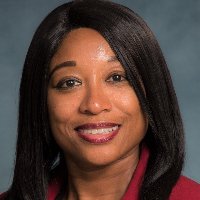
Georgia · 8 yrs exp
Licensed Professional Counselor - Anger and Relationships
Stress, Anxiety · Relationship · Family · Grief · +11 more
Read profile
New York · 9 yrs exp
LMHC in New York - Anger and Relationships
Addictions · LGBT · Intimacy-related issues · Depression · +9 more
Read profile
Florida · 25 yrs exp
Licensed Mental Health Counselor - Relationships and Trauma
Relationship · Trauma and abuse · Grief · Anger · +12 more
Read profile
Texas · 12 yrs exp
Licensed marriage and family therapist - Anger and relationships
Stress, Anxiety · Addictions · Relationship · Grief · +11 more
Read profile
Pennsylvania · 27 yrs exp
Licensed Clinical Social Worker - Anger and Relationships
Stress, Anxiety · Relationship · Parenting · Self esteem · +14 more
Read profile
Illinois · 25 yrs exp
Licensed Clinical Social Worker - Anxiety and Anger
Stress, Anxiety · Relationship · Grief · Depression · +10 more
Read profile
Florida · 12 yrs exp
Licensed Mental Health Counselor - Anger and Stress
Stress, Anxiety · Parenting · Self esteem · Depression · +11 more
Read profile
Missouri · 36 yrs exp
LCSW - Anger and Relationship concerns
Stress, Anxiety · Relationship · Trauma and abuse · Intimacy-related issues · +15 more
Read profile
Florida · 25 yrs exp
LMHC in Florida - Anger and Emotional Health
Stress, Anxiety · Family · Grief · Self esteem · +12 more
Read profile
New York · 5 yrs exp
Licensed Mental Health Counselor - Anger and Mood
Stress, Anxiety · LGBT · Trauma and abuse · Bipolar · +12 more
Read profile
Arizona · 23 yrs exp
LPC and LMHC - Stress and Anger concerns
Stress, Anxiety · Self esteem · Depression · Coping with life changes · +16 more
Read profile
Michigan · 5 yrs exp
Licensed Professional Counselor - Stress and Anger
Stress, Anxiety · Relationship · Family · Self esteem · +12 more
Read profile
Rhode Island · 18 yrs exp
Licensed mental health counselor - Anger and relationships
Stress, Anxiety · Relationship · Trauma and abuse · Grief · +12 more
Read profile
Pennsylvania · 12 yrs exp
Licensed counselor - anger and relationship concerns
Stress, Anxiety · Relationship · Self esteem · Depression · +11 more
Read profile
Illinois · 20 yrs exp
Licensed Clinical Professional Counselor - Anger and Mood
Stress, Anxiety · LGBT · Anger · Self esteem · +12 more
Read profile
Florida · 26 yrs exp
Florida LMHC - Anger and Stress support
Relationship · Grief · Self esteem · Depression · +13 more
Read profile
Missouri · 16 yrs exp
LCSW - Anger and Emotional Regulation
Stress, Anxiety · Trauma and abuse · Self esteem · Bipolar · +12 more
Read profile
North Carolina · 10 yrs exp
Licensed clinical social worker - Anger and relationships
Stress, Anxiety · Relationship · Family · Bipolar · +16 more
Read profile
New York · 11 yrs exp
Licensed Mental Health Counselor - Anger and Relationships
Stress, Anxiety · Grief · Self esteem · Relationship · +8 more
Read profile
Tennessee · 15 yrs exp
LCSW - Anger and Trauma support
Stress, Anxiety · LGBT · Family · Trauma and abuse · +16 more
Read profile
Missouri · 7 yrs exp
LPC in Missouri - Anger and Addiction focus
Stress, Anxiety · Addictions · Relationship · Self esteem · +13 more
Read profile
Florida · 17 yrs exp
Florida LMHC - Anger and Relationships
Stress, Anxiety · Addictions · Relationship · Family · +14 more
Read profile
Louisiana · 10 yrs exp
Licensed Professional Counselor - Anger and Relationships
Stress, Anxiety · Relationship · Family · Depression · +12 more
Read profile
Texas · 10 yrs exp
Licensed Professional Counselor - Stress and Anger
Stress, Anxiety · Relationship · Family · Depression · +14 more
Read profile
Michigan · 45 yrs exp
Licensed Professional Counselor - Anger and Addiction
Stress, Anxiety · Addictions · Trauma and abuse · Grief · +10 more
Read profile
Texas · 11 yrs exp
Licensed Professional Counselor - Anger and Relationships
Stress, Anxiety · Relationship · Family · Parenting · +9 more
Read profile
Ohio · 33 yrs exp
Licensed Professional Clinical Counselor - Anger and Trauma
Stress, Anxiety · Family · Trauma and abuse · Self esteem · +12 more
Read profile
Illinois · 10 yrs exp
Licensed Clinical Professional Counselor - Anger and Relationships
Stress, Anxiety · LGBT · Relationship · Trauma and abuse · +10 more
Read profile
Pennsylvania · 13 yrs exp
Licensed Professional Counselor - Anger and Anxiety
Stress, Anxiety · LGBT · Relationship · Family · +12 more
Read profile
Texas · 13 yrs exp
Licensed counselor and marriage therapist - anger and relationships
Stress, Anxiety · LGBT · Relationship · Trauma and abuse · +12 more
Read profile
Georgia · 15 yrs exp
Licensed Professional Counselor - Anger and Relationships
Stress, Anxiety · Grief · Intimacy-related issues · Self esteem · +10 more
Read profile
Minnesota · 23 yrs exp
LMFT - Relationships and Anger
Stress, Anxiety · Relationship · Trauma and abuse · Self esteem · +13 more
Read profile
Virginia · 6 yrs exp
Licensed counselor - Anger and relationships
Stress, Anxiety · Trauma and abuse · Parenting · Depression · +4 more
Read profile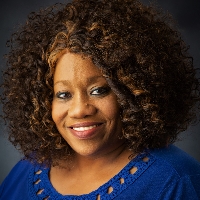
North Carolina · 15 yrs exp
Licensed counselor - Anger and mood concerns
Stress, Anxiety · Trauma and abuse · Grief · Self esteem · +11 more
Read profile
Colorado · 11 yrs exp
Licensed Professional Counselor - Anger and Anxiety
Stress, Anxiety · LGBT · Trauma and abuse · Anger · +15 more
Read profile
Florida · 13 yrs exp
Florida LMHC - Stress and Anger focus
Stress, Anxiety · Self esteem · Career · Depression · +3 more
Read profile
Michigan · 21 yrs exp
Licensed LMSW - Anger and Relationships
Stress, Anxiety · Relationship · Family · Bipolar · +14 more
Read profile
Texas · 21 yrs exp
Licensed Clinical Social Worker - Anger and Relationships
Stress, Anxiety · Relationship · Trauma and abuse · Intimacy-related issues · +15 more
Read profile
Texas · 8 yrs exp
Licensed Professional Counselor - Anger and Stress
Stress, Anxiety · Grief · Self esteem · Career · +11 more
Read profile
Louisiana · 10 yrs exp
Licensed counselor - Anger and relationships
Stress, Anxiety · Grief · Anger · Depression · +8 more
Read profile
California · 8 yrs exp
LMFT - Anger and relationships
Stress, Anxiety · Addictions · Relationship · Self esteem · +15 more
Read profile
Montana · 16 yrs exp
LCPC counselor - Anger and relationship concerns
Stress, Anxiety · Relationship · Self esteem · Depression · +11 more
Read profile
Arizona · 30 yrs exp
Licensed counselor - anger and trauma focus
Stress, Anxiety · Trauma and abuse · Self esteem · Career · +11 more
Read profile
Florida · 22 yrs exp
LCSW focused on anger and mood concerns
Stress, Anxiety · Self esteem · Depression · Coping with life changes · +5 more
Read profile
Illinois · 25 yrs exp
Licensed Clinical Social Worker - Anger, Mood and Stress
Stress, Anxiety · Self esteem · Career · Coping with life changes · +10 more
Read profile
Florida · 30 yrs exp
FL Psychologist - Anger and Anxiety
Stress, Anxiety · Grief · Anger · Depression · +15 more
Read profile
New Jersey · 8 yrs exp
LCSW - Anger and anxiety support
Stress, Anxiety · Relationship · Trauma and abuse · Bipolar · +14 more
Read profile
Wisconsin · 11 yrs exp
Licensed counselor - anger and relationships
Stress, Anxiety · Family · Trauma and abuse · Depression · +12 more
Read profile
Nebraska · 14 yrs exp
Licensed counselor - Anger and mood concerns
Stress, Anxiety · Grief · Bipolar · Depression · +13 more
Read profile
Texas · 20 yrs exp
Licensed Professional Counselor - Stress and Anger
Stress, Anxiety · Trauma and abuse · Self esteem · Depression · +12 more
Read profile
Florida · 10 yrs exp
LMHC - Anger and Relationship Concerns
Stress, Anxiety · Family · Parenting · Self esteem · +10 more
Read profile
Texas · 23 yrs exp
Licensed Professional Counselor - Anger and Relationships
Stress, Anxiety · Relationship · Self esteem · Career · +11 more
Read profilePanic attacks are often described as intense episodes of fear or discomfort that come on suddenly and can include strong physical sensations. You might notice heart racing, shortness of breath, dizziness, trembling, or a sense of unreality. While panic attacks themselves are distinct from chronic anger, many people find that panic, anger and frustration can overlap in ways that make daily life harder. For example, the stress of frequent panic can increase irritability, and irritability can make it harder to likely notice early warning signs of a panic attack.
When you read profiles on this page, expect descriptions of clinicians who list Panic Disorder and Panic Attacks as a focus alongside anger and frustration. That grouping does not imply a single cause or a single therapeutic route. Instead, it reflects that some clinicians work with both anxious crises and the emotional responses that follow, such as resentment, outbursts, or stress-related interpersonal strain. If you want to understand how panic interacts with other feelings in your life, look for profiles that describe relevant experience or complementary approaches.
If panic attacks occur in the context of ongoing stress, you may find that they influence your mood between episodes. Increased resentment or chronic irritability can make communication with partners, family members or colleagues more tense. Outbursts that follow a panic trigger can feel embarrassing and may damage trust if they are frequent. At work, repeated episodes of intense anxiety or visible agitation can affect concentration, decision making and how coworkers respond to you. These effects are not a moral failing; they are consequences of intense emotional and physiological reactions interacting with everyday demands.
When reviewing practitioner profiles, pay attention to how clinicians describe their work with emotional regulation, stress management, and interpersonal impact. Some profiles will note experience addressing anger or frustration in the context of anxiety. Others may highlight approaches that people commonly explore for panic-related issues, such as techniques for managing physiological arousal or strategies to reduce avoidance. Use those descriptions to decide which practitioners to read more about in their profiles and which questions to bring up in initial conversations.
To make an informed choice, you may want to ask specific questions about a clinician’s approach and experience. One helpful question is whether a clinician has experience working with people who have recurrent panic attacks and co-occurring irritability or anger. Ask how they typically structure work when panic and anger interact, and what steps they take to help clients build practical coping skills. You can also inquire whether they collaborate with prescribers when medication is part of the plan for panic symptoms. When clinicians list therapeutic models, remember that this is a description of their approach - for example, you might find therapists who list cognitive behavioral therapy among their approaches or therapists who list EMDR among their approaches. Ask how those approaches are applied in the context of panic and anger rather than assuming a specific outcome.
It is important to distinguish academic credentials from permission to practise. Degrees such as PhD, PsyD, MD, MA or MSW are academic qualifications. In the United States, licensure often appears as state-issued credentials that indicate permission to provide clinical services. In the United Kingdom, clinicians may hold professional registration or membership with national organisations, and in Australia some professions are registered with national regulators or hold professional association membership. A degree alone does not establish current permission to practise, so ask about the clinician’s license, registration, or professional membership and what that means for practice in their country.
If you are considering online talk therapy, there are practical matters to cover before your first session. Clarify how the clinician addresses safety planning, including what steps you and the clinician would take if panic escalates into a crisis. If you are ever in immediate danger, contact local emergency services or a domestic-abuse helpline as applicable. Discuss whether the clinician will coordinate with any other health professionals involved in your care, such as a psychiatrist, and how you will manage medication-related questions. You should also ask about technical aspects - how sessions are hosted, what to do if a connection drops, and whether the clinician has a preferred process for rescheduling or cancellation. These conversations help set expectations and reduce avoidable stress around logistics.
Be explicit about the kinds of outcomes you want to explore. Do you want help reducing the frequency of panic, learning grounding tools for attacks, addressing anger and resentment that follows panic, or improving communication at home and at work? Share past experiences with therapy so the clinician can explain how their approach might fit your history. Remember that online talk therapy is not a court-ordered anger-management course or a certificate program. If you have legal or court-related requirements, discuss those specifics with the clinician so you both understand what services can and cannot be provided.
When comparing profiles on this page, start with the listed focus areas and languages. A clinician who lists Panic Disorder and Panic Attacks as a focus and also mentions anger or frustration may be more likely to describe strategies that address both sets of concerns. Language offerings matter if you prefer to work in a language other than the clinician’s primary tongue; look for profiles that indicate the languages spoken and any relevant cultural competence. Next, review academic credentials separately from professional licenses or registrations. If a profile states a PhD, PsyD, MD, MA or MSW, that signals an academic track but does not by itself indicate permission to practise. Look for explicit notes about licensure, registration or professional membership relevant to the clinician’s country of practice.
Therapeutic style and interpersonal fit are often the most decisive factors. Some profiles will describe a directive approach focused on skill-building, while others describe a reflective or exploratory style that emphasizes understanding patterns and relationships. Consider whether you prefer practical tools you can use during an episode of panic, or a longer-term exploration of anger and relational patterns that contribute to stress. You might also look for mentions of populations served, such as adolescents, adults or first responders, but remember that a listed topic does not establish that the clinician treats children, couples or families. Profiles are a starting point for conversation, and it is reasonable to ask prospective clinicians how they tailor their work to specific goals.
Finally, use the listed location and profile details to plan a first contact that feels manageable. Prepare a few focused questions that matter most to you - for example, how the clinician frames early sessions, whether they include crisis planning, and how they measure progress. Clear, concrete questions will help you compare profiles on the dimensions that matter to your life: symptom focus, emotional impact, practical skills, cultural fit, and professional credentials. Taking this approach allows you to make a considered choice without expecting profiles to guarantee outcomes.
Anyone who is at risk of harm should contact emergency services or a domestic-abuse helpline immediately. For ongoing concerns about panic, anger or frustration, the profiles and descriptions on this page are intended to help you find practitioners to speak with about your specific needs.
Alabama
120 therapists
Alaska
15 therapists
Arizona
124 therapists
Arkansas
62 therapists
Australia
103 therapists
California
520 therapists
Colorado
177 therapists
Connecticut
71 therapists
Delaware
24 therapists
District of Columbia
20 therapists
Florida
929 therapists
Georgia
283 therapists
Hawaii
25 therapists
Idaho
51 therapists
Illinois
244 therapists
Indiana
135 therapists
Iowa
41 therapists
Kansas
57 therapists
Kentucky
91 therapists
Louisiana
157 therapists
Maine
40 therapists
Maryland
130 therapists
Massachusetts
96 therapists
Michigan
253 therapists
Minnesota
92 therapists
Mississippi
78 therapists
Missouri
230 therapists
Montana
49 therapists
Nebraska
39 therapists
Nevada
39 therapists
New Hampshire
24 therapists
New Jersey
169 therapists
New Mexico
42 therapists
New York
335 therapists
North Carolina
349 therapists
North Dakota
4 therapists
Ohio
209 therapists
Oklahoma
115 therapists
Oregon
53 therapists
Pennsylvania
262 therapists
Rhode Island
18 therapists
South Carolina
165 therapists
South Dakota
23 therapists
Tennessee
131 therapists
Texas
782 therapists
United Kingdom
1531 therapists
Utah
60 therapists
Vermont
12 therapists
Virginia
158 therapists
Washington
88 therapists
West Virginia
33 therapists
Wisconsin
127 therapists
Wyoming
18 therapists