
Jared Maloney
LMFTCalifornia · 8 yrs exp
LMFT - Anger and relationships
Stress, Anxiety · Addictions · Relationship · Self esteem · +15 more
Read profileTherapist listings are provided by BetterHelp. We will earn a commission at no additional cost to you if you use our links to purchase.
This page groups profiles under the listed location California so you can compare focus areas, approaches, credentials and languages. Browse the therapist listings below and check each profile to confirm a therapist's permission to work together where you live.
California · 8 yrs exp
LMFT - Anger and relationships
Stress, Anxiety · Addictions · Relationship · Self esteem · +15 more
Read profile
California · 20 yrs exp
LCSW - Anger and relationship concerns
Stress, Anxiety · Relationship · Family · Parenting · +15 more
Read profile
California · 5 yrs exp
LMFT - Anger and Relationships
Relationship · Grief · Parenting · Self esteem · +11 more
Read profile
California · 6 yrs exp
Licensed MFT - Anger and Relationship concerns
Stress, Anxiety · Addictions · Relationship · Depression · +10 more
Read profile
California · 35 yrs exp
Licensed Marriage and Family Therapist - Anger, Relationships
Stress, Anxiety · Relationship · Family · Trauma and abuse · +12 more
Read profile
California · 20 yrs exp
LMFT - Relationships and Anger
Stress, Anxiety · Relationship · Trauma and abuse · Intimacy-related issues · +13 more
Read profile
California · 8 yrs exp
Licensed Marriage and Family Therapist - Anger and Trauma
Stress, Anxiety · Addictions · Trauma and abuse · Parenting · +11 more
Read profile
California · 10 yrs exp
LMFT in California - Anger and Relationships
Stress, Anxiety · Addictions · Trauma and abuse · Self esteem · +15 more
Read profile
California · 30 yrs exp
LCSW - Anxiety and Anger care
Stress, Anxiety · Relationship · Grief · Self esteem · +13 more
Read profile
California · 8 yrs exp
Licensed Clinical Social Worker - Anger and Relationships
Stress, Anxiety · Relationship · Self esteem · Career · +9 more
Read profile
California · 37 yrs exp
LMFT in California - Relationships and Anger
Addictions · Relationship · Family · Intimacy-related issues · +8 more
Read profile
California · 30 yrs exp
Licensed MFT - Anger and Relationships
Stress, Anxiety · Addictions · Relationship · Trauma and abuse · +11 more
Read profile
California · 25 yrs exp
Licensed Marriage and Family Therapist - Anger and Stress
Trauma and abuse · Self esteem · Career · Coping with life changes · +13 more
Read profile
California · 10 yrs exp
Licensed Clinical Social Worker - stress and relationships
Stress, Anxiety · Relationship · Grief · Self esteem · +11 more
Read profile
California · 12 yrs exp
LCSW in California - Anger and Relationships
Stress, Anxiety · Trauma and abuse · Grief · Self esteem · +12 more
Read profile
California · 16 yrs exp
Licensed Marriage and Family Therapist - Anger and Relationships
Stress, Anxiety · Family · Parenting · Self esteem · +10 more
Read profile
California · 16 yrs exp
Licensed MFT - Anger and Relationships
Self esteem · Coping with life changes · Relationship · Family · +2 more
Read profile
California · 20 yrs exp
California LCSW - Anger and Addiction
Stress, Anxiety · Addictions · Career · Coping with life changes · +7 more
Read profile
California · 11 yrs exp
LCSW helping with grief and anger
Stress, Anxiety · Family · Trauma and abuse · Grief · +12 more
Read profile
California · 38 yrs exp
California LPCC - Anger and Relationship care
Stress, Anxiety · Relationship · Family · Trauma and abuse · +7 more
Read profile
California · 27 yrs exp
Dr. Andrea Shirley, LMFT - Anger and Relationship concerns
Stress, Anxiety · LGBT · Relationship · Family · +11 more
Read profile
California · 40 yrs exp
Licensed Clinical Social Worker - Anger and Relationships
Stress, Anxiety · Relationship · Family · Trauma and abuse · +1 more
Read profile
California · 35 yrs exp
Licensed Clinical Social Worker - Anger and Stress
Stress, Anxiety · Grief · Anger · Self esteem · +1 more
Read profile
California · 5 yrs exp
Licensed Marriage and Family Therapist - Anger and relationships
Stress, Anxiety · LGBT · Relationship · Trauma and abuse · +1 more
Read profile
California · 17 yrs exp
California LMFT - Anger and Stress
Stress, Anxiety · Relationship · Family · Parenting · +3 more
Read profile
California · 26 yrs exp
California LMFT - Anger and Relationships
Stress, Anxiety · Family · Trauma and abuse · Parenting · +14 more
Read profile
California · 6 yrs exp
LCSW - Anger and Stress Concerns
Stress, Anxiety · Relationship · Self esteem · Coping with life changes · +12 more
Read profile
California · 6 yrs exp
Licensed Marriage and Family Therapist - Relationships and Anger
Relationship · Family · Trauma and abuse · Intimacy-related issues · +5 more
Read profile
California · 17 yrs exp
LMFT - Anger and Relationship Concerns
Parenting · Self esteem · Career · Stress, Anxiety · +6 more
Read profile
California · 20 yrs exp
California LMFT - Anger and Relationships
Stress, Anxiety · Relationship · Trauma and abuse · Depression · +12 more
Read profile
California · 10 yrs exp
LMFT focusing on anger and relationships
Stress, Anxiety · Relationship · Self esteem · Depression · +10 more
Read profile
California · 30 yrs exp
LMFT - Anger and Relationship concerns
Stress, Anxiety · Addictions · Relationship · Grief · +11 more
Read profile
California · 21 yrs exp
Licensed Clinical Social Worker - Anger and Relationships
Stress, Anxiety · Relationship · Family · Trauma and abuse · +9 more
Read profile
California · 21 yrs exp
LMFT - Addictions and Relationships
Addictions · Relationship · Trauma and abuse · Grief · +13 more
Read profile
California · 14 yrs exp
Licensed counselor - relationships and anger
Stress, Anxiety · Relationship · Family · Intimacy-related issues · +9 more
Read profile
California · 15 yrs exp
LMFT working with relationships and anger
Stress, Anxiety · Relationship · Family · Self esteem · +8 more
Read profile
California · 19 yrs exp
Licensed Marriage and Family Therapist - Anger and Relationships
Stress, Anxiety · Relationship · Family · Trauma and abuse · +11 more
Read profile
California · 31 yrs exp
Licensed MFT - Anger and Stress
Stress, Anxiety · Addictions · Relationship · Trauma and abuse · +15 more
Read profile
California · 16 yrs exp
Licensed Marriage and Family Therapist - Anger and Relationships
Stress, Anxiety · Relationship · Family · Grief · +8 more
Read profile
California · 9 yrs exp
LPCC counselor - Anger and anxiety
Stress, Anxiety · Relationship · Trauma and abuse · Self esteem · +14 more
Read profile
California · 20 yrs exp
Dr. Wanda Boutte - LCSW, anger and relationship concerns
LGBT · Family · Grief · Eating · +16 more
Read profile
California · 14 yrs exp
California LMFT - Anger and Trauma
Stress, Anxiety · Relationship · Parenting · Depression · +12 more
Read profile
California · 8 yrs exp
Licensed Marriage and Family Therapist - Anger and Relationships
Stress, Anxiety · LGBT · Grief · Depression · +11 more
Read profile
California · 23 yrs exp
Licensed Clinical Social Worker - Anger and Relationships
Stress, Anxiety · Grief · Parenting · Depression · +14 more
Read profile
California · 30 yrs exp
Licensed LMFT - Anger and Relationships
Stress, Anxiety · Relationship · Self esteem · Career · +11 more
Read profile
California · 12 yrs exp
Licensed Clinical Social Worker - Mood and Anger
Addictions · Grief · Parenting · Self esteem · +11 more
Read profile
California · 18 yrs exp
LMFT - Relationships and Anger work
Relationship · Family · Trauma and abuse · Grief · +13 more
Read profile
California · 12 yrs exp
LMFT - Anger and Relationship concerns
Stress, Anxiety · Relationship · Family · Coping with life changes · +6 more
Read profile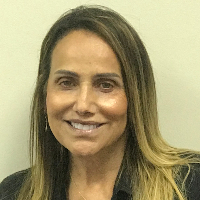
California · 12 yrs exp
LCSW focused on anger and relationships
Stress, Anxiety · Family · Trauma and abuse · Depression · +12 more
Read profile
California · 18 yrs exp
LMFT - Anger and Relationship concerns
Stress, Anxiety · Relationship · Self esteem · Career · +10 more
Read profile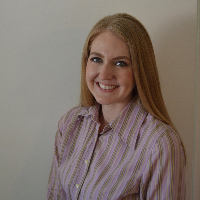
California · 14 yrs exp
Licensed Clinical Social Worker - Anger and Relationships
Stress, Anxiety · Relationship · Grief · Depression · +11 more
Read profile
California · 11 yrs exp
Licensed therapist - Anger and relationships
Addictions · LGBT · Relationship · Depression · +9 more
Read profile
California · 6 yrs exp
Licensed Marriage and Family Therapist - Anger and Relationships
Stress, Anxiety · Trauma and abuse · Grief · Self esteem · +12 more
Read profile
California · 10 yrs exp
LMFT - Relationships and Anger
Relationship · Family · Trauma and abuse · Parenting · +10 more
Read profile
California · 30 yrs exp
Licensed Clinical Social Worker - Anger and Relationships
Stress, Anxiety · Relationship · Grief · Self esteem · +13 more
Read profile
California · 8 yrs exp
Licensed MFT - Anger and Relationships
LGBT · Trauma and abuse · Intimacy-related issues · Self esteem · +13 more
Read profile
California · 15 yrs exp
LMFT - Relationships and Anger
Stress, Anxiety · Relationship · Family · Depression · +12 more
Read profile
California · 15 yrs exp
LMFT - Anger and Relationship concerns
Stress, Anxiety · Relationship · Trauma and abuse · Self esteem · +15 more
Read profile
California · 8 yrs exp
LMFT - Anger and relationship concerns
Stress, Anxiety · Addictions · Family · Self esteem · +12 more
Read profile
California · 12 yrs exp
Licensed Marriage and Family Therapist - Anger, Trauma
Stress, Anxiety · Family · Trauma and abuse · Anger · +10 more
Read profileWhen anger shows up as ongoing irritability, sudden outbursts, mounting resentment or stress that affects work and relationships, it can feel overwhelming and isolating. You may be searching for help because anger is interfering with your ability to communicate, to sleep, or to maintain professional or personal connections. Describing what you are experiencing in plain terms - what triggers your reactions, how intense they become, and how often they occur - will help you match with someone whose profile addresses the issues most relevant to you. Profiles that list anger and frustration among focus areas are a starting point; they indicate interest or experience in this topic but do not by themselves establish training or certification in a specific intervention.
Think about how anger shows up in your life. Is it a low-grade, persistent irritability that sours relationships? Are there sudden, intense episodes that leave you feeling regretful? Are you carrying resentment from past events that affects your mood and decision-making? Noting these patterns will help you compare profiles by the kinds of experience and language therapists use to describe their work.
This directory groups profiles by the listed location California so you can see professionals who identify that location in their profiles. A listed location does not guarantee an in-person office in your town or that a clinician has current permission to practice everywhere in California. You should always check the individual profile and confirm that the clinician can legally work with you where you live. In the United States, permission to practice is typically indicated by state licensure; in the United Kingdom and Australia clinicians may show registration with a national regulator or membership in a professional body. Degree titles such as PhD, PsyD, MD, MA or MSW tell you about academic background but do not by themselves confirm a current license, registration or membership. A PhD or MD indicates a doctoral-level degree, and a MA or MSW indicates graduate training, but you should look on the profile for statements about licensure, registration or membership relevant to that jurisdiction and ask directly if you need clarification.
Profiles vary in how they present credentials and jurisdictional information. Some profiles clearly state the regions where the clinician is permitted to work, while others emphasize specialties and approaches. Because rules differ across countries and states, checking and confirming permission to work together where you live is an important step before arranging any sessions. If you are unsure what a particular credential means, you can ask the clinician to explain how their degree and licensure or registration interact with the regulations in your area.
When you review profiles, prepare specific questions that address how a clinician works with anger and frustration. Ask whether they have experience addressing persistent irritability, episodic outbursts, or long-standing resentment, and request examples of the kinds of concerns they commonly work with. You can ask about the typical focus of early conversations, whether they emphasize coping strategies, exploring underlying triggers, or addressing the relational effects of anger. For people whose anger is linked to trauma, substance use, or health conditions, ask how those topics are incorporated into the work and whether the clinician has experience coordinating care with other professionals.
Be explicit about the outcomes you want to explore without expecting guarantees. You might ask how a clinician measures progress, how they handle intense emotional episodes during a session, and how they support clients who are managing anger that affects parenting, work performance, or intimate relationships. If you communicate your priorities clearly - for example, reducing work-related outbursts, rebuilding trust after repeated arguments, or managing day-to-day irritability - you will be better placed to compare profiles and choose who to contact for an initial conversation about fit.
If you are considering online talk therapy, note that online care is a format for conversation and support and is not a court-ordered anger-management course or a certificate program. When you speak to a clinician about online work, confirm whether they have permission to provide services where you live and ask about any jurisdictional or legal considerations that might apply to your situation. Clarify how the clinician handles safety planning if you experience intense impulses or if someone in your household is at risk. Anyone in danger should contact emergency services or a domestic-abuse helpline immediately. These are essential safety steps and are not replaceable by a directory or an initial online session.
Discuss practical matters that matter to you: how they typically structure conversations about anger, how they approach situations involving past trauma or ongoing conflict, and how they support clients when emotions escalate between sessions. If you have preferences about the tone of therapy - for example, a directive skills-based approach versus a reflective exploration of patterns - mention that up front. A clear conversation before starting online care helps ensure that both you and the clinician have aligned expectations about the focus and boundaries of the work.
Comparing profiles is more useful when you look beyond a single label and pay attention to language that describes focus areas, populations, and therapeutic style. Some profiles emphasize work with workplace stress and performance, while others highlight family dynamics or relationship conflict. Notice whether irritability, outbursts, resentment or stress are mentioned in ways that match your experience. Also consider the approaches listed on the profile; for example, you may find therapists who list CBT among their approaches, therapists who list mindfulness-based approaches among their options, or therapists who list emotion-focused or psychodynamic approaches among their orientations. These labels are starting points for a conversation - they do not guarantee training or suitability for your needs.
Language access and cultural competence can be important in talking about anger, because triggers and expressions of anger are shaped by cultural norms and life experience. Look for profiles that state the languages a clinician speaks and that describe experience with populations or cultural contexts relevant to you. When credentials are listed, distinguish academic degrees from professional permissions. A profile that lists a PhD or PsyD indicates doctoral education; a listing of MSW indicates a social work degree. You can compare how clinicians describe their clinical style - whether they use practical skills, exploratory inquiry, or relational repair - and follow up with questions that probe how those styles play out in sessions.
Finally, prioritize profiles that help you assess fit through concrete descriptions and clear statements about scope of practice. Ask direct questions about whether a clinician commonly works with the specific patterns you face and how they approach co-occurring issues like anxiety, substance use, or trauma. Remember that the directory organizes profiles by the listed location California to help your search, but confirming permission to work together where you live, clarifying professional standing in the relevant jurisdiction, and discussing style and approach directly with the clinician are essential next steps.
Choosing someone to talk with about anger and frustration is a personal decision. Use the information in profiles to narrow your options, prepare questions that matter to you, and reach out to clinicians to discuss fit before beginning regular care. If you ever feel at immediate risk, call emergency services or a domestic-abuse helpline right away.
Addictions
5737 therapists
ADHD
5401 therapists
Bipolar
5157 therapists
Chronic Illness
2195 therapists
Chronic Pain
2195 therapists
Control Issues
4602 therapists
Depression
8496 therapists
Domestic Violence
3252 therapists
Grief
7547 therapists
Guilt and Shame
6113 therapists
Impulsivity
3846 therapists
Isolation / Loneliness
5756 therapists
Mood Disorders
4918 therapists
Panic Disorder and Panic Attacks
4629 therapists
Post-Traumatic Stress
5269 therapists
Self Esteem
8406 therapists
Sleeping Disorders
3339 therapists
Stress & Anxiety
8812 therapists
Trauma and Abuse
7734 therapists
Career
6179 therapists
Caregiver Issues and Stress
4436 therapists
Codependency
4288 therapists
Communication Problems
6455 therapists
Coping with Life Changes
8020 therapists
Divorce
4838 therapists
Family
7660 therapists
Family of Origin Issues
3317 therapists
Forgiveness
5565 therapists
Infidelity
3424 therapists
Jealousy
3429 therapists
Money and Financial Issues
2747 therapists
Parenting
6670 therapists
Relationship
7984 therapists
Workplace Issues
4831 therapists