
Velma Jones
LCSWNew York · 29 yrs exp
Licensed Clinical Social Worker - Anger and Relationships
Stress, Anxiety · Relationship · Trauma and abuse · Depression · +10 more
Read profileTherapist listings are provided by BetterHelp. We will earn a commission at no additional cost to you if you use our links to purchase.
This New York listing groups profiles of professionals who list anger or frustration among their specialties. Use the entries to compare focus areas, approaches, languages, and credentials, then review individual profiles and confirm a therapist's permission to work with you where you live.
New York · 29 yrs exp
Licensed Clinical Social Worker - Anger and Relationships
Stress, Anxiety · Relationship · Trauma and abuse · Depression · +10 more
Read profile
New York · 9 yrs exp
LMHC in New York - Anger and Relationships
Addictions · LGBT · Intimacy-related issues · Depression · +9 more
Read profile
New York · 5 yrs exp
Licensed Mental Health Counselor - Anger and Mood
Stress, Anxiety · LGBT · Trauma and abuse · Bipolar · +12 more
Read profile
New York · 11 yrs exp
Licensed Mental Health Counselor - Anger and Relationships
Stress, Anxiety · Grief · Self esteem · Relationship · +8 more
Read profile
New York · 35 yrs exp
Dr. Colleen Downes, LCSW - Anger and Stress support
Stress, Anxiety · Self esteem · Career · ADHD · +10 more
Read profile
New York · 24 yrs exp
LCSW - Anger and Relationship Concerns
Stress, Anxiety · Addictions · Family · Parenting · +9 more
Read profile
New York · 36 yrs exp
Licensed Mental Health Counselor - Anger and Anxiety
Stress, Anxiety · Family · Parenting · Self esteem · +7 more
Read profile
New York · 15 yrs exp
LCSW - Anger and Relationship concerns
Stress, Anxiety · Addictions · Relationship · Self esteem · +10 more
Read profile
New York · 25 yrs exp
LCSW - Anxiety and Anger support
Stress, Anxiety · Grief · Anger · Self esteem · +6 more
Read profile
New York · 13 yrs exp
LCSW in New York - Anger and trauma focus
Stress, Anxiety · Trauma and abuse · Career · Depression · +8 more
Read profile
New York · 25 yrs exp
LCSW in New York - Anger and Relationships
Stress, Anxiety · Relationship · Family · Trauma and abuse · +15 more
Read profile
New York · 20 yrs exp
LCSW-R helping with stress and anger
Stress, Anxiety · Family · Grief · Anger · +1 more
Read profile
New York · 20 yrs exp
Licensed Mental Health Counselor - Anger and Relationships
Stress, Anxiety · Relationship · Family · Self esteem · +15 more
Read profile
New York · 17 yrs exp
Licensed counselor - Anger and Mood concerns
Stress, Anxiety · Self esteem · Career · Depression · +14 more
Read profile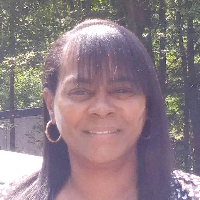
New York · 20 yrs exp
LCSW for anger and life changes
Stress, Anxiety · Addictions · Relationship · Self esteem · +9 more
Read profile
New York · 13 yrs exp
Licensed Clinical Social Worker - Anger and Mood concerns
Stress, Anxiety · Trauma and abuse · Depression · Coaching · +13 more
Read profile
New York · 30 yrs exp
Licensed Clinical Social Worker - Anger and Addictions
Stress, Anxiety · Addictions · Relationship · Trauma and abuse · +12 more
Read profile
New York · 27 yrs exp
Licensed Clinical Social Worker - Anger and Stress
Stress, Anxiety · Family · Trauma and abuse · Bipolar · +10 more
Read profile
New York · 23 yrs exp
New York LMHC - Mood and Anger concerns
Stress, Anxiety · Addictions · Career · Depression · +10 more
Read profile
New York · 10 yrs exp
LMHC - Anger and relationship concerns
Stress, Anxiety · Relationship · Family · Trauma and abuse · +14 more
Read profile
New York · 30 yrs exp
LCSW and LICSW - Grief and emotional concerns
Stress, Anxiety · Grief · Self esteem · Depression · +13 more
Read profile
New York · 14 yrs exp
LCSW in New York - Anger and trauma support
Stress, Anxiety · Trauma and abuse · Anger · Self esteem · +14 more
Read profile
New York · 19 yrs exp
Licensed counselor - Anger and relationships
Stress, Anxiety · Relationship · Grief · Anger · +11 more
Read profile
New York · 11 yrs exp
Licensed Mental Health Counselor - Anger and Relationships
Stress, Anxiety · Relationship · Family · Eating · +11 more
Read profile
New York · 22 yrs exp
LCSW - Anger and Relationship concerns
Stress, Anxiety · Relationship · Parenting · Bipolar · +14 more
Read profile
New York · 19 yrs exp
LCSW - Anger and relationship support
Stress, Anxiety · Relationship · Trauma and abuse · Self esteem · +11 more
Read profile
New York · 8 yrs exp
LICSW therapist - Anger and relationships
Stress, Anxiety · Relationship · Anger · Self esteem · +12 more
Read profile
New York · 6 yrs exp
New York LMHC - Anger and Stress support
Stress, Anxiety · Family · Self esteem · Depression · +16 more
Read profile
New York · 21 yrs exp
Dr. Deborah Jones, LMHC - Anger and Stress support
Stress, Anxiety · Addictions · Anger · Self esteem · +5 more
Read profile
New York · 12 yrs exp
Licensed clinical social worker - Anger and life transitions
Addictions · Career · Coping with life changes · Coaching · +4 more
Read profile
New York · 14 yrs exp
LCSW - Anger and relationship concerns
Stress, Anxiety · Addictions · Relationship · Bipolar · +15 more
Read profile
New York · 4 yrs exp
LMFT in New York - Anger and Relationship concerns
Stress, Anxiety · Relationship · Family · Self esteem · +12 more
Read profile
New York · 3 yrs exp
LMHC in New York - Anger and Stress support
Stress, Anxiety · LGBT · Family · Trauma and abuse · +15 more
Read profile
New York · 15 yrs exp
New York LMHC - Anger and Relationships
Stress, Anxiety · Relationship · Family · Trauma and abuse · +1 more
Read profile
New York · 7 yrs exp
LMHC - Stress and Anger concerns
Stress, Anxiety · Addictions · Trauma and abuse · Anger · +1 more
Read profile
New York · 16 yrs exp
LMHC in New York - anger and stress
Stress, Anxiety · Trauma and abuse · Grief · Anger · +1 more
Read profile
New York · 22 yrs exp
LCSW - Stress and Anger work
Stress, Anxiety · Family · Trauma and abuse · Anger · +8 more
Read profile
New York · 19 yrs exp
Licensed Mental Health Counselor - Anxiety and Anger
Stress, Anxiety · Family · Parenting · ADHD · +3 more
Read profile
New York · 9 yrs exp
New York LMHC - Anger and Mood Concerns
Stress, Anxiety · Trauma and abuse · Anger · Self esteem · +1 more
Read profile
New York · 20 yrs exp
LMHC and LCPC - Anger and Relationship Concerns
Stress, Anxiety · Family · Parenting · Self esteem · +10 more
Read profile
New York · 30 yrs exp
LCSW-R - Anger and anxiety support
Stress, Anxiety · Relationship · Parenting · Self esteem · +6 more
Read profile
New York · 24 yrs exp
LCSW-R - Anger and Stress work
Stress, Anxiety · LGBT · Self esteem · Career · +8 more
Read profile
New York · 10 yrs exp
Licensed Clinical Social Worker - Anger and Stress
Stress, Anxiety · LGBT · Sleeping · Anger · +7 more
Read profile
New York · 10 yrs exp
Licensed Mental Health Counselor - Anger and Trauma
Stress, Anxiety · Trauma and abuse · Self esteem · Depression · +11 more
Read profile
New York · 23 yrs exp
LCSW in New York - Anger and Relationships
Stress, Anxiety · Relationship · Trauma and abuse · Self esteem · +9 more
Read profile
New York · 28 yrs exp
LCSW-R - Anger and Relationship concerns
Stress, Anxiety · Relationship · Family · Trauma and abuse · +16 more
Read profile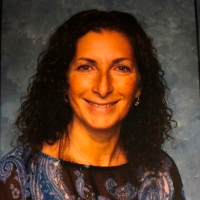
New York · 26 yrs exp
Licensed Clinical Social Worker - Anger and Relationships
Stress, Anxiety · Family · Parenting · Career · +5 more
Read profile
New York · 18 yrs exp
LMFT in New York - Relationship and Anger concerns
Stress, Anxiety · Relationship · Family · Intimacy-related issues · +12 more
Read profile
New York · 10 yrs exp
Licensed Clinical Social Worker - Anger and Relationships
Stress, Anxiety · Relationship · Trauma and abuse · Self esteem · +9 more
Read profile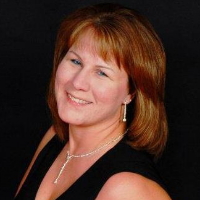
New York · 9 yrs exp
Licensed Mental Health Counselor - Anger and Mood concerns
Stress, Anxiety · Relationship · Family · Parenting · +10 more
Read profile
New York · 23 yrs exp
Dr. Victor Franco, LMHC - Anger and Trauma
Stress, Anxiety · Addictions · LGBT · Trauma and abuse · +11 more
Read profile
New York · 10 yrs exp
LMHC - Anger and Relationship Concerns
Stress, Anxiety · Family · Parenting · Self esteem · +13 more
Read profile
New York · 10 yrs exp
Licensed Mental Health Counselor - Anger and Mood concerns
Stress, Anxiety · Self esteem · Coping with life changes · Addictions · +13 more
Read profile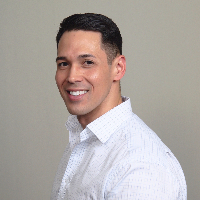
New York · 15 yrs exp
Licensed counselor - Anger and Mood
Stress, Anxiety · Trauma and abuse · Grief · Self esteem · +16 more
Read profile
New York · 10 yrs exp
NY Psychologist - Anger and Anxiety
Stress, Anxiety · Family · Trauma and abuse · Self esteem · +9 more
Read profile
New York · 15 yrs exp
Licensed Mental Health Counselor - Anger and Relationships
Stress, Anxiety · Relationship · Trauma and abuse · Self esteem · +12 more
Read profile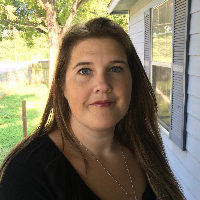
New York · 8 yrs exp
LMHC LPC - Anxiety and Anger focus
Stress, Anxiety · Trauma and abuse · Grief · Self esteem · +14 more
Read profile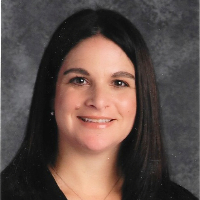
New York · 25 yrs exp
Licensed Clinical Social Worker - Stress and Anger
Stress, Anxiety · Relationship · Family · Self esteem · +14 more
Read profile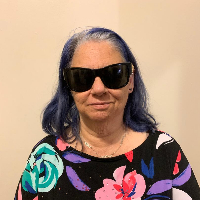
New York · 25 yrs exp
Licensed Mental Health Counselor - Anger and Life Stress
Stress, Anxiety · Trauma and abuse · Self esteem · Career · +15 more
Read profile
New York · 12 yrs exp
Licensed Clinical Social Worker - Anger and Relationships
Stress, Anxiety · Self esteem · Bipolar · Depression · +9 more
Read profileWhen you are feeling irritable, having sudden outbursts, holding on to resentment, or noticing stress affecting your work and relationships, those experiences can feel confusing and isolating. You might be struggling with short temper in traffic, chronic simmering anger at a partner, explosive reactions after long days, or a sense that resentment is building and changing how you interact with others. Those patterns are about attempts to manage strong emotional energy. That does not mean you are weak or beyond help - it means you are noticing how emotions are affecting your daily life and that you may want practical ways to respond differently.
In New York's busy environment, stressors often compound one another. Work pressures, commuting, family responsibilities, and community dynamics can all increase the likelihood of irritability and moments of escalation. The impact on relationships can range from partners feeling shut out to colleagues misreading your tone, and at work repeated outbursts can strain collaboration even when you intend no harm. If you or someone else is in immediate danger, call emergency services right away or reach out to a domestic-abuse helpline for urgent support. Seeking help through a therapist profile is a next step for many people, but it is not a substitute for immediate crisis intervention when violence or imminent risk is present.
The presence of a profile under the New York listed location means the clinician has associated themselves with that place, but it is not proof of a physical office, an ongoing in-person practice there, or that they are permitted to work with every person living in New York. Licensing rules and professional permissions differ by country and by state or territory. In the United States you will often see references to state licenses or credential abbreviations; in the United Kingdom and Australia professionals may describe registration or membership with national bodies or professional associations. Academic degrees such as PhD, PsyD, MD, MA, and MSW indicate a level of education but do not by themselves show current permission to practice in a particular jurisdiction. A degree and a license or registration are separate details, and you should look for both the credential information a profile lists and a clear statement that the clinician can work with you where you live.
Profiles may describe professional memberships, regulated registration, or state licensing. Read those entries carefully and, when in doubt, ask the clinician directly whether they are authorized to provide care to someone in your state or country. The directory groups profiles by New York to help you compare options, but confirming the practical and legal ability to work together is an important step you need to take before beginning care.
When you view profiles, think about the kinds of questions that will help you compare therapists in realistic terms. You can ask whether the clinician has worked with people who experience chronic irritability or frequent outbursts and what kinds of concerns those people brought. If you want to know how a therapist works with resentment or anger that affects relationships, ask for examples of the kinds of issues they commonly address and how they describe the goals people set with them. If you see names of approaches listed on a profile - for example cognitive behavioral methods, dialectical approaches, or EMDR listed among approaches - remember that the listing simply indicates the approach is used by some clinicians who appear on the directory; it is not proof of training or certification. Phrase your question to invite specifics: "Have you worked with people whose anger affects their romantic relationships? What approaches do you offer, and how do you adapt them to someone with high workplace stress?"
Other practical comparison questions focus on what matters to your daily life. Ask about language fluency if you prefer to speak in a language other than English. Ask whether the therapist usually works with people of your age range or with similar life circumstances. You can also ask how they track progress and what kinds of strategies they commonly explore early in the work, while keeping in mind that concrete techniques are options to discuss, not promises of outcome. Do not assume a profile's mention of an approach means every clinician in the directory uses it; instead, use your questions to find clinicians whose descriptions align with what you think might help.
If you are considering remote or online care, there are specific practical matters worth addressing before you begin. Clarify whether the clinician is permitted to work with people who live in New York or another jurisdiction if you spend time in multiple places. Discuss what kind of technology they use and whether your device and internet connection are suitable for the kind of session you want. Talk about how you will handle interruptions and how to manage privacy in your own environment, for example whether you can arrange a time and a quiet room or a private space to talk. Ask how to proceed if a technical problem interrupts a session and what alternative contact methods they recommend for short messages or scheduling questions. You should also discuss plans for crisis scenarios - who will you contact if you or someone else is at immediate risk - because online care does not replace emergency services or specialized crisis lines.
Be aware that online talk therapy is not the same as a court-ordered anger-management course or a certificate program. If a legal body or workplace is requiring a specific course or certification, make sure the clinician understands those requirements and can explain whether their services match what is needed. Any statements about certificates or mandated programs should come from the clinician and be clearly described in their profile or in your direct conversation, not assumed from a general listing that includes anger among specialties.
When you are comparing profiles in New York, look at how each clinician describes their focus areas. Some will list irritability and difficulty with anger control, others will highlight relationship conflict, workplace stress, or parenting challenges influenced by anger. Read those descriptions as an invitation to ask specific questions. If a profile notes work with trauma-related anger or substance-related triggers, follow up by asking how they typically approach those issues rather than assuming a single technique will be used. Language options are straightforward to compare - if a profile names a language you prefer, that can reduce friction and make it easier to express complex emotions. If multiple languages matter to you, ask whether the clinician switches languages in a single conversation or prefers sessions entirely in one language.
Compare credentials with attention to the difference between academic degrees and permission to practice. A PhD, PsyD, MD, MA, or MSW signals educational background and specialization, while licensing terms or registration entries indicate whether a clinician is authorized to practice in a given jurisdiction. Profiles may show membership in professional organizations; those memberships can indicate a connection to peer communities but do not equal a license. Also pay attention to descriptions of therapeutic style - some therapists emphasize practical skills and short-term coping strategies, others emphasize exploring patterns and long-standing relational dynamics. Think about what feels more helpful for you and prepare questions that probe how a clinician translates their described style into the sessions you would attend.
Ultimately, use the profiles to narrow options so you can have informed conversations with therapists. Confirm their permission to work with you where you live, ask pointed questions about the kinds of challenges you face, and discuss logistics for online care if that is the mode you prefer. Comparing focus areas, languages, degrees, and how clinicians describe their work will help you find profiles that fit your needs, but no profile listing is a guarantee of outcome or an endorsement of a particular method. Take your time to review information and to reach out when a profile feels like a potential match for the practical and emotional support you are seeking.
If you are worried that you might harm yourself or someone else, or if you are experiencing or witnessing violence, seek immediate help by calling emergency services or a local domestic-abuse helpline. A therapist profile can be a useful next step for ongoing support, but urgent danger requires immediate intervention from local authorities or specialised crisis services.
Addictions
5737 therapists
ADHD
5401 therapists
Bipolar
5157 therapists
Chronic Illness
2195 therapists
Chronic Pain
2195 therapists
Control Issues
4602 therapists
Depression
8496 therapists
Domestic Violence
3252 therapists
Grief
7547 therapists
Guilt and Shame
6113 therapists
Impulsivity
3846 therapists
Isolation / Loneliness
5756 therapists
Mood Disorders
4918 therapists
Panic Disorder and Panic Attacks
4629 therapists
Post-Traumatic Stress
5269 therapists
Self Esteem
8406 therapists
Sleeping Disorders
3339 therapists
Stress & Anxiety
8812 therapists
Trauma and Abuse
7734 therapists
Career
6179 therapists
Caregiver Issues and Stress
4436 therapists
Codependency
4288 therapists
Communication Problems
6455 therapists
Coping with Life Changes
8020 therapists
Divorce
4838 therapists
Family
7660 therapists
Family of Origin Issues
3317 therapists
Forgiveness
5565 therapists
Infidelity
3424 therapists
Jealousy
3429 therapists
Money and Financial Issues
2747 therapists
Parenting
6670 therapists
Relationship
7984 therapists
Workplace Issues
4831 therapists