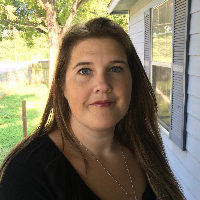
Therapist profile
Melanie Mullins, LMHC, LPC
New York
LMHC LPC - Anxiety and Anger focus
Continue with MelanieKey details
- CredentialsLMHC, LPC
- LicenseLPC, Connecticut / 3478; LMHC, New York / 007220
- NPI1154782332
- Experience8 years
- LanguagesEnglish
- LocationNew York
About
- CBT techniques
- ACT strategies
- DBT skills
About Melanie
Melanie Mullins is a licensed mental health counselor (LMHC) and a licensed professional counselor (LPC) with eight years of clinical experience. She holds a New York LMHC and a Connecticut LPC and works from New York. Melanie lists a wide range of concerns she addresses, including stress, anxiety, trauma and abuse, grief, self-esteem, career challenges, addictions, relationship and intimacy-related issues, parenting concerns, sleep and eating issues, bipolar and depressive symptoms, ADHD, and anger.
She uses straightforward, evidence-based methods to help people sort through daily problems. Melanie relies on Cognitive Behavioral Therapy to identify unhelpful thinking and to build clearer coping strategies. She also draws on Acceptance and Commitment Therapy and Dialectical Behavior Therapy tools to help people manage difficult feelings and respond differently to stress.
Sessions focus on practical steps people can use between meetings. Melanie looks for areas where someone has control and helps them design manageable strategies. Conversations often include problem-solving, skill practice, and checking what does or does not work in real life.
Her approach values listening and understanding without judgment. That relationship with the therapist is presented as central to making change possible. Melanie encourages direct, plain talk about what is causing strain and what the person hopes will be different.
People considering work on anger, relationship tension, or career stress are invited to see how these methods might fit their situation. To begin, readers should confirm session formats and scheduling details before booking so they know the current options available.
How sessions work
How Melanie’s therapy approaches translate to online work
Acceptance and Commitment Therapy (ACT) helps people notice difficult thoughts and feelings without getting swept up in them, then pick actions that reflect personal values. It is often used when someone wants to reduce avoidance and live more intentionally. Cognitive Behavioral Therapy (CBT) focuses on identifying unhelpful thoughts and testing them with real-life experiments to reduce anxiety and depressive patterns. It suits people who want clear, practical steps to change thinking and behavior. Dialectical Behavior Therapy (DBT) offers concrete skills for managing intense emotions and improving interpersonal effectiveness and can be useful when strong reactions disrupt relationships.Finding the right approach is usually collaborative. The therapist will talk with the client about goals, try methods that fit those goals, and adjust the plan based on what helps. That way the work becomes a shared process rather than a preset program.
The biography does not specify exact session formats, so confirm current options before booking. Online work can make it easier to fit sessions into a busy week and reduce travel time. It also allows using short check-ins or longer skill-building meetings when needed, and can make it simpler to practice tools in everyday contexts like at work or home. Ask about available session lengths and scheduling to find the practical option that suits daily life.
Areas of focus
Areas of expertise
Primary focus
Also works with
Additional focus areas
Therapeutic approaches
Experience
8+ years
Listed in
Connecticut, New York
Languages
English
Questions
Frequently asked questions
What concerns does she address related to anger?
She lists anger among many concerns and works with related issues like relationship tension, control problems, and communication difficulties.
What is her general therapeutic style?
Her style uses evidence-based, practical methods and direct conversation to build coping skills and problem-solving strategies.
How long has she been practicing clinically?
She has eight years of clinical experience working as a counselor.
What credentials and location does she hold?
She is an LMHC and an LPC licensed in New York and Connecticut and practices from New York.
Does she offer sessions in other languages or to international clients?
Sessions are offered in English and she is not accepting international clients.
What session formats are used?
The original biography does not list specific session formats; confirm current session options before booking.
How does cost work for sessions?
Cost varies with location and sessions use a subscription that can be canceled at any time.
How do I begin working with her?
Select the See online therapy options button, complete a short matching questionnaire, and schedule a first session.
Details come from information the therapist supplied to BetterHelp. A license can be checked with the state board.
Online talk therapy is not emergency care. If anyone is unsafe, use the crisis numbers.