Key details
- CredentialsLCSW
- LicenseLCSW, Utah / 5633817-3501
- NPI1811292998
- Experience25 years
- LanguagesEnglish
- LocationUtah
About
- ACT and CBT methods
- Mindfulness practice
- Behavioral coping skills
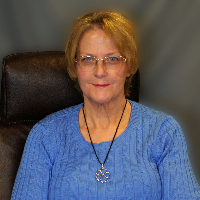
About Carol
Carol Gross is a licensed clinical social worker (LCSW) in Utah with 25 years of practice. She works with adults who are dealing with stress, anxiety, mood concerns, addiction, grief, trauma and anger among other struggles. Carol also helps people managing ADHD, relationship problems, sleep and eating concerns, and career or parenting stress.
Carol began her professional life as a computer system analyst and later added clinical work to her background. That mix of data-minded problem solving and clinical experience shapes how she works in session. She describes learning from her own difficult moments and uses those lessons when she talks with people about change and coping.
Her preferred approaches include Acceptance and Commitment Therapy (ACT), cognitive behavioral techniques, dialectical behavior tools, client-centered conversation, and mindfulness practices. She uses practical exercises and the ACT Matrix to help people notice patterns, sort priorities, and practice behaviors that reflect their values. Sessions focus on small, concrete steps rather than abstract promises.
Carol emphasizes noticing discomfort so it becomes useful information. She helps people name what a painful feeling is trying to tell them and then practices skills to respond differently. That can mean building tolerance for strong feelings, shifting unhelpful thinking, improving communication, or learning simple mindfulness and coping skills.
People looking to address anger, longstanding mood problems, or life transitions can expect straightforward discussion and hands-on practice. To begin, prospective clients are invited to use the site's matching flow to select therapy options and schedule a first session.
How sessions work
How her approaches translate to online work
Acceptance and Commitment Therapy (ACT) helps people name what matters to them and take small steps toward those values while learning to live with uncomfortable feelings. Cognitive Behavioral Therapy (CBT) focuses on identifying unhelpful thinking and testing practical behavior changes to reduce symptoms and improve daily functioning. Mindfulness methods train focused attention and present-moment noticing to lower reactivity and support calmer choices.Choosing the right approach is part of the work. Carol collaborates with each person to see which methods fit their goals and situation, and she adjusts the mix over time based on what helps most. The process is practical and cooperative rather than one-size-fits-all.
The biography does not list specific session formats, so confirm current online options before booking. In general, online sessions can make it easier to fit therapy into a busy routine, allow shorter check-ins when time is tight, and reduce travel time around work or family responsibilities. Therapists often adapt ACT exercises, CBT worksheets, and mindfulness practices for remote sessions so people can practice skills between meetings and apply them in everyday life.
Areas of focus
Areas of expertise
Primary focus
Also works with
Additional focus areas
Therapeutic approaches
Experience
25+ years
Listed in
Utah
Languages
English
Questions
Frequently asked questions
What kinds of problems does she address?
She works with stress, anxiety, depression, anger, addiction, trauma, grief, ADHD, relationship and parenting concerns, and related issues.
What is her therapeutic style like?
She uses practical, skills-based approaches such as ACT, CBT, DBT tools, client-centered conversation, and mindfulness to help people change everyday behaviors.
How much clinical experience does she have?
Carol has 25 years of experience working in mental health and behavior-related fields.
What are her credentials and location?
She is an LCSW licensed in Utah and practices with that credential.
Can I work with her if I live outside the United States?
International clients are not accepted at this time; sessions are offered in English to people within the therapist's permitted region.
What session formats are offered?
Session formats are not specified in the biography. Confirm current session options on the booking page before scheduling.
How are sessions paid for?
Cost varies by location and sessions use a subscription that can be canceled at any time.
How do I start working with her?
Select the See online therapy options button, complete a short matching questionnaire, and schedule a first session.
Details come from information the therapist supplied to BetterHelp. A license can be checked with the state board.
Online talk therapy is not emergency care. If anyone is unsafe, use the crisis numbers.