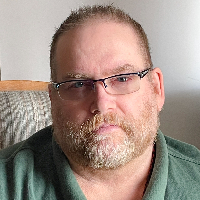
Therapist profile
Ken McCauley, LCMHC
Utah
Licensed Clinical Mental Health Counselor - Anger and Stress
Continue with KenKey details
- CredentialsLCMHC
- LicenseLCMHC, Utah / 357503-6004
- NPI1356767388
- Experience14 years
- LanguagesEnglish
- LocationUtah
About
- CBT methods
- Attachment focus
- Goal setting
About Ken
Ken McCauley is a Licensed Clinical Mental Health Counselor (LCMHC) in Utah with 14 years working as a licensed therapist. He focuses on stress, anxiety, addictions, relationship problems, depression, ADHD, trauma and abuse, grief, parenting, sleeping and eating problems, and anger among other concerns. He works with adults who are trying to manage everyday pressures and repeated patterns that cause conflict or distress.
Before licensure Ken spent many years in human services for the State of Utah, including work related to child abuse, neglect, adoption, and foster care. He has also worked in outpatient clinics treating adults referred by court and in community mental health settings supporting people with substance use issues and other complex needs. That background informs his practical view of the challenges people bring to therapy.
In sessions he listens for strengths clients already have and uses those as tools toward clear goals. His style blends cognitive-behavioral methods with client-centered and attachment-informed ideas to help people notice how thoughts, feelings, and relationships interact. He also uses elements drawn from dialectical behavior therapy and EMDR when appropriate.
Ken emphasizes straightforward goal setting and concrete strategies to reduce distressing thoughts and behaviors. He often helps people who struggle with work, housing, finances, or role pressures to make manageable changes. He does not use stigmatizing labels and aims to support people in taking practical steps toward better daily functioning.
People who come for help with anger can expect a focus on identifying triggers, changing unhelpful thinking patterns, and learning skills to respond differently. To begin, prospective clients select the See online therapy options button, complete a short matching questionnaire, and schedule a first session.
How sessions work
How his approaches translate to online work
Ken integrates cognitive-behavioral techniques and attachment-informed ideas into sessions. CBT focuses on identifying and changing unhelpful thoughts and behaviors, which helps with anger, anxiety, and depression by teaching practical skills and new ways to respond. Attachment-informed work looks at how early and current relationship patterns shape reactions; it helps people notice triggers tied to closeness, rejection, or trust and practice different responses.He uses a client-centered stance alongside these methods, listening for strengths and setting concrete goals with clients. Finding the right mix of approaches is collaborative; Ken will discuss goals and preferences and adapt strategies so they fit the person's needs and rhythms. That includes choosing which skills to practice between sessions and how to track progress.
Session formats are not specified in the biography, so confirm available options before booking. Online work can make it easier to fit sessions into a busy week, allow shorter check-ins when schedules demand, and reduce travel time so therapy feels more manageable. Those practical benefits often help people sustain progress while they practice new ways of handling anger and stress.
Areas of focus
Areas of expertise
Primary focus
Also works with
Additional focus areas
Therapeutic approaches
Experience
14+ years
Listed in
Utah
Languages
English
Questions
Frequently asked questions
What kinds of concerns does he address?
He works with stress, anxiety, addictions, relationship and parenting problems, depression, ADHD, trauma and abuse, grief, anger, and related issues listed in his profile.
What is his therapeutic style like?
His style combines cognitive-behavioral, client-centered, and attachment-informed approaches with practical skill building and goal setting.
How much clinical experience does he have?
He has 14 years as a licensed mental health therapist and many additional years in human services work in Utah.
What credentials and region are listed?
He holds an LCMHC credential and practices in Utah.
Does he offer sessions in languages other than English?
Sessions are offered in English.
Can international clients work with him?
He does not accept international clients at this time.
How are costs and payments handled?
Cost varies with location and sessions use a subscription model that can be canceled at any time.
How do I begin a first appointment?
Start by selecting the See online therapy options button, completing a short matching questionnaire, and scheduling a first session.
Details come from information the therapist supplied to BetterHelp. A license can be checked with the state board.
Online talk therapy is not emergency care. If anyone is unsafe, use the crisis numbers.