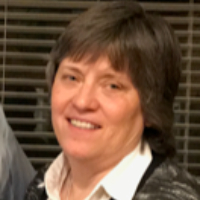
Therapist profile
Charlotte Gibbons, LCSW
Utah
Licensed Clinical Social Worker - Relationships and Anger
Continue with CharlotteKey details
- CredentialsLCSW
- LicenseLCSW, Utah / 138698-3501; LCSW, California / 99062; LCSW, Oregon / L12971
- NPI1699005751
- Experience20 years
- LanguagesEnglish
- LocationUtah
About
- CBT techniques
- DBT skills
- Mindfulness practice
About Charlotte
Charlotte Gibbons is a Licensed Clinical Social Worker (LCSW) in Utah with 20 years of clinical experience. She helps people who are dealing with relationship strain, family conflict, trauma and abuse, parenting challenges, and anger. She also works with anxiety, depression, addictions, grief, and issues around intimacy and self-esteem.
Her style is interactive and practical. Conversations focus on real situations - moments that trigger anger, patterns that cause conflict, or habits that sap motivation. She draws on cognitive-behavioral ideas to change unhelpful thinking, and mindfulness practices to steady attention in tense moments.
Charlotte combines client-centered listening with techniques from dialectical behavior therapy and Jungian perspectives. That means she pays attention to feelings and personal meaning while teaching skills for emotion regulation. Sessions mix discussion, skills practice, and reflection rather than long lectures.
She has worked for two decades with people facing trauma, family-of-origin problems, caregiver stress, first responder issues, and blended-family situations. Her experience includes supporting people through divorce, adoption and foster care questions, abandonment concerns, and the strain of parenting and fatherhood roles.
Charlotte is licensed as an LCSW in California and Utah and offers services in English. Getting started typically involves a short matching questionnaire and scheduling a first session to talk about immediate concerns and practical next steps.
How sessions work
How her approaches translate to online sessions
Client-centered work focuses on listening and shaping the conversation around what matters to the client. In practice this means the therapist reflects what you bring, helps clarify priorities, and uses short exercises to pinpoint triggers and values.Cognitive Behavioral Therapy (CBT) breaks down patterns of thought and behavior into concrete steps. Online CBT sessions often include homework, thought records, and behavioral experiments to try between meetings, which can help with anger, anxiety, and low mood.
Dialectical Behavior Therapy (DBT) adds skills for regulating intense emotions and improving how you relate to others. Online sessions can cover breathing, distress tolerance, and communication techniques to practice in real-life situations.
Choosing which approach to use is collaborative. The therapist will work with the client to identify goals, try techniques, and adjust methods based on what helps. That conversation is part of the early sessions rather than a one-time decision.
Session formats were not specified in the biography, so confirm current options before booking. Online sessions can make it easier to fit appointments into a workday, reduce travel time, and allow shorter check-ins when needed. Talk with the therapist about pacing, practice between sessions, and how to integrate skills into everyday life.
Areas of focus
Areas of expertise
Primary focus
Also works with
Additional focus areas
Therapeutic approaches
Experience
20+ years
Listed in
Utah, California, Oregon
Languages
English
Questions
Frequently asked questions
What kinds of concerns does she work with?
She supports people facing relationship and family problems, trauma and abuse, parenting stress, anger, anxiety, depression, and related concerns such as addiction and grief.
How would she approach anger in sessions?
She uses a mix of practical skills and discussion. That includes cognitive-behavioral techniques to change thoughts, DBT-based emotion regulation skills, and mindfulness practice to reduce reactivity.
What is her professional background?
She has 20 years of experience working with trauma, family and cultural issues, and a wide range of emotional and relational concerns.
Where is she licensed to practice?
She holds the LCSW credential and is licensed in California and Utah.
Does she work in other languages or with international clients?
Sessions are offered in English and international clients are accepted.
What formats are offered for sessions?
The original biography does not list session formats. Please confirm the current session options before booking.
How much do sessions cost?
Cost varies with location; sessions use a subscription that can be canceled at any time.
How do I begin working with her?
Select the See online therapy options button, complete a short matching questionnaire, and schedule a first session to discuss goals and next steps.
Details come from information the therapist supplied to BetterHelp. A license can be checked with the state board.
Online talk therapy is not emergency care. If anyone is unsafe, use the crisis numbers.