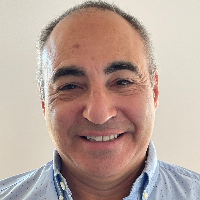
Therapist profile
Stuart Riskin, LCSW
California
Licensed Clinical Social Worker - Anger and Relationships
Continue with StuartKey details
- CredentialsLCSW
- LicenseLCSW, California / 22300
- NPI1447518436
- Experience28 years
- LanguagesEnglish
- LocationCalifornia
About
- Client-centered work
- Cognitive behavioral tools
- Mindfulness practices
About Stuart
Stuart Riskin is a Licensed Clinical Social Worker (LCSW) in California with 28 years of experience. He works with people facing anger, stress, anxiety, addictions, relationship strain, grief, and other life changes. He also addresses issues like parenting, intimacy, ADHD, and compassion fatigue.
Stuart began his professional life in the entertainment industry before shifting into social work. That nontraditional path exposed him to varied workplaces in both public and private sectors. Those experiences inform how he listens and responds to practical problems.
He treats each client as a collaborator who brings real expertise about their own life. Sessions are approached from a strength-based, supportive stance that focuses on concrete change. Stuart emphasizes that progress depends on the person's decision to try different behaviors and perspectives.
In the room he uses a mix of client-centered conversation, cognitive behavioral tools, emotionally-focused methods, and mindfulness practices. He also draws on relationship work such as the Gottman Method when relevant. The goal is to translate ideas into everyday actions that reduce reactivity and build steadier responses.
Stuart keeps the tone straightforward and occasionally dry. He aims to make therapy practical rather than theatrical. People seeking help with anger, control issues, or relationship conflict can expect a direct, respectful approach that focuses on useful skills and clearer communication.
How sessions work
How his approaches translate to online work
Client-Centered Therapy focuses on listening and reflective conversation. It helps people feel understood and often clarifies what matters most when anger flares. Cognitive Behavioral Therapy (CBT) looks at the link between thoughts, feelings, and actions. CBT provides concrete strategies for spotting patterns and practicing different responses to anger.Finding the right mix of methods is part of the process. Stuart works collaboratively to identify what fits a person's goals and preferences. He adapts techniques over time based on what is helping reduce reactivity and improve communication.
The biography does not specify session formats, so confirm current online options before booking. Online work can make it easier to fit sessions into a busy week, allow shorter check-ins when needed, and let people use quieter surroundings or audio-only connections if that helps. Licensed professionals can still use those approaches effectively over distance, focusing on skill practice, behavioral experiments, and clearer emotional awareness rather than only talk.
Areas of focus
Areas of expertise
Primary focus
Also works with
Additional focus areas
Therapeutic approaches
Experience
28+ years
Listed in
California
Languages
English
Questions
Frequently asked questions
What kinds of anger-related issues does he address?
He helps with snapping at loved ones, workplace frustration, simmering resentment, and intensity that affects relationships. Anger is listed among many concerns he works with.
What is his therapeutic style?
He uses a supportive, strength-based style and treats clients as collaborators. He combines client-centered conversation with practical behavioral tools.
How much experience does he have?
He has 28 years in the helping professions, including a career change from the entertainment industry into social work. That background informs his practical approach.
What are his credentials and where is he based?
He is a Licensed Clinical Social Worker, LCSW, licensed in California. His practice is listed in California.
Can I work with him if I'm outside the United States?
He accepts international clients. Sessions are offered in English.
What session formats are offered?
The original biography does not list session formats. Please confirm current session options before booking.
How much do sessions cost?
Cost varies with location and sessions use a subscription that can be canceled at any time.
How do I get started with him?
Select the See online therapy options button, complete a short matching questionnaire, and schedule a first session.
Details come from information the therapist supplied to BetterHelp. A license can be checked with the state board.
Online talk therapy is not emergency care. If anyone is unsafe, use the crisis numbers.