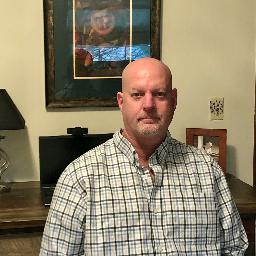
Therapist profile
Sean Young, LMSW
Michigan
LMSW - Anger and Relationship concerns
Continue with SeanKey details
- CredentialsLMSW
- LicenseLMSW, Michigan / 6801083452
- NPI1922026137
- Experience28 years
- LanguagesEnglish
- LocationMichigan
About
- Client-Centered Therapy
- Cognitive Behavioral Therapy
- Trauma-informed focus
About Sean
Sean Young is a Licensed Master Social Worker (LMSW) in Michigan with 28 years of clinical experience. He works with adults dealing with stress, anxiety, depression, addictions, relationship and family challenges, trauma and abuse, grief, intimacy concerns, sleep and eating problems, and anger. He also lists a range of focused concerns such as abandonment, attachment issues, communication problems, and first responder issues.
Sean uses straightforward, person-centered work. Sessions are direct and practical. He aims to address what is causing upset now and how to handle it differently going forward.
In practice he draws on Client-Centered Therapy to keep the conversation grounded in the client’s perspective. He also uses Cognitive Behavioral Therapy to identify patterns of thought and behavior that feed anger, anxiety, or low mood. Emotionally-Focused and Psychodynamic ideas inform deeper relationship issues and recurring patterns rooted in earlier life experiences.
Sessions often focus on specific problems and workable steps. That can mean short-term solution-focused work to change a behavior. It can also mean longer conversations about how past experiences affect current relationships and self-image.
Sean has experience with trauma, including military-related trauma, and with people coping with significant life changes. He works with LGBT concerns and addresses issues such as guilt, shame, and forgiveness when they come up. For people weighing whether to start, he asks practical questions about goals and what feels most urgent.
To get started, users follow the site’s process to complete a short questionnaire and schedule an initial session. Costs vary with location and sessions use a subscription that can be canceled at any time.
How sessions work
How his approaches translate to online work
Client-Centered Therapy focuses on the client’s experience and priorities. Online sessions let the therapist center what matters most to the person and follow their pace. This approach helps when someone needs to talk through feelings and make decisions about relationships or anger responses.Cognitive Behavioral Therapy (CBT) targets the thoughts and behaviors that keep problems active. In virtual sessions, CBT can be used to spot unhelpful thinking, practice alternative responses, and set small behavioral experiments between meetings to reduce anger or anxiety.
Emotionally-Focused Therapy (EFT) looks at emotions in relationships and how they shape patterns of connection. Working online, the therapist can help label emotions, practice new ways of relating, and troubleshoot reactions that lead to escalation.
Finding the right mix of approaches is collaborative. The therapist will review goals, preferences, and what has or hasn’t helped before. Together they decide whether shorter solution-focused work or deeper psychodynamic exploration is a better fit for the moment.
The original biography does not list specific session formats. Before booking, confirm which formats are offered. Online work can make it easier to fit sessions into a busy life, allow shorter check-ins when needed, and avoid travel time. It can also let people try different rhythms of work while they assess what helps most.
Areas of focus
Areas of expertise
Primary focus
Also works with
Additional focus areas
Therapeutic approaches
Experience
28+ years
Listed in
Michigan
Languages
English
Questions
Frequently asked questions
What types of problems does he help with?
He works with stress, anxiety, depression, trauma and abuse, relationship and family concerns, addictions, grief, anger, and related issues such as attachment and communication problems.
What is his therapeutic style like?
His approach is direct and practical, centered on the client’s experience. He combines person-centered conversations with techniques that target thinking and behavior patterns.
How much experience does he have?
He has 28 years of clinical experience working with adults on a wide range of mental health and relationship concerns.
What are his credentials and where is he based?
He is a Licensed Master Social Worker, MI LMSW, practicing in Michigan.
Can I work with him if I live outside the United States?
He accepts international clients. Sessions are offered in English.
What session formats does he offer?
The original profile does not specify session formats. Please confirm current session options on the booking page before scheduling.
How much do sessions cost?
Cost varies with location. Sessions use a subscription that can be canceled at any time.
How do I begin working with him?
Select the See online therapy options button, complete the short matching questionnaire, and schedule a first session.
Details come from information the therapist supplied to BetterHelp. A license can be checked with the state board.
Online talk therapy is not emergency care. If anyone is unsafe, use the crisis numbers.