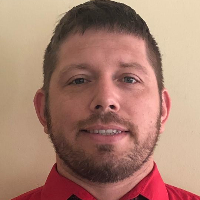
Therapist profile
Richard Rodgers, LCSW
Indiana
LCSW - Addiction and Trauma focus
Continue with RichardKey details
- CredentialsLCSW
- LicenseLCSW, Illinois / 149.020534; LCSW, Indiana / 34008256A; LCSW, Arizona / LCSW-21892
- NPI1891279287
- Experience10 years
- LanguagesEnglish
- LocationIndiana
About
- Anger management
- DBT and CBT skills
- Veteran-informed care
About Richard
Richard Rodgers is an LCSW (Licensed Clinical Social Worker) practicing in Indiana with 10 years of experience. He focuses on problems such as addiction, trauma, anxiety, depression, grief, anger, and stress. He also works with many related concerns like sleep issues, relationship and intimacy questions, parenting stress, and challenges at work.
Richard began his career after serving in the Army National Guard and has worked in both inpatient and outpatient settings. He holds a Master of Social Work and has a background in community health. Much of his early work involved supporting veterans facing substance issues and PTSD, and that continues to inform his approach.
In sessions he uses practical, evidence-based practices. He draws on methods such as Acceptance and Commitment Therapy, Cognitive Behavioral Therapy, and Dialectical Behavior Therapy to help people notice unhelpful patterns and build different responses. He also uses Attachment-Based and Client-Centered ideas to focus on relationships and the therapeutic relationship itself.
People can expect a mix of talking and skills practice. He helps clients name patterns, try new behaviors, and set small doable goals. That often includes tools for managing anger spikes, regulating emotions, and addressing cravings or avoidance.
Outside the office he values family time and simple routines. That perspective influences how he works - practical strategies that fit into everyday life, not abstract theory.
How sessions work
How his approaches translate to online sessions
Acceptance and Commitment Therapy (ACT) helps people notice difficult thoughts and feelings without getting swept away by them, and then commit to actions that reflect their values. It is often used for anxiety, stress, and anger-related struggles. Cognitive Behavioral Therapy (CBT) focuses on identifying unhelpful thinking and behavior patterns and practicing new responses; it is commonly used for depression, anxiety, and sleep issues. Dialectical Behavior Therapy (DBT) teaches concrete skills for emotion regulation, distress tolerance, and interpersonal effectiveness, which can be helpful when anger or intense emotions interfere with daily life.Choosing the best approach is a collaborative process. The therapist will discuss goals, preferred ways of working, and what feels most useful. Together they will try methods, adjust as needed, and prioritize strategies that fit the client’s daily routines and needs.
Session formats are not listed in the biography, so confirm current options before booking. Online sessions can make it easier to fit short check-ins into a workday, avoid travel time, and practice skills in real-life settings between meetings. Phone sessions use less bandwidth and can be a simpler way to check in, while video sessions allow for face-to-face interaction and visual cues. Talk with the therapist about which format would best match practical needs and the kind of work you want to do.
Areas of focus
Areas of expertise
Also works with
Additional focus areas
Therapeutic approaches
Experience
10+ years
Listed in
Illinois, Indiana, Arizona
Languages
English
Questions
Frequently asked questions
What kinds of issues does he help with?
He works with addiction, trauma, anxiety, depression, anger, stress, grief, sleep problems, relationship and parenting concerns, and related issues listed in his profile.
What is his general approach in therapy?
He blends talk therapy with practical skills. He uses approaches such as ACT, CBT, DBT, Attachment-Based, and Client-Centered methods to address thoughts, behaviors, and relationships.
How long has he been practicing?
He has about 10 years of experience working in mental health and addiction settings, including inpatient and outpatient care.
What are his credentials and where does he practice?
He is an LCSW (Licensed Clinical Social Worker) with licensure listed for Illinois and Arizona and he is based in Indiana.
In which language are sessions offered?
Sessions are offered in English.
Does he work with international clients?
He does not accept international clients at this time.
How does cost and payment work?
Cost varies with location and sessions use a subscription model that can be canceled at any time.
How do I begin a first session?
Click the See online therapy options button, complete a short matching questionnaire, and schedule the first session.
Details come from information the therapist supplied to BetterHelp. A license can be checked with the state board.
Online talk therapy is not emergency care. If anyone is unsafe, use the crisis numbers.