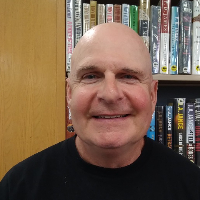
Therapist profile
Richard McGraw, LCSW
Missouri
Licensed Clinical Social Worker - Anger and Relationships
Continue with RichardKey details
- CredentialsLCSW
- LicenseLCSW, Missouri / 000876
- NPI1649302407
- Experience28 years
- LanguagesEnglish
- LocationMissouri
About
- Cognitive Behavioral Therapy
- Parenting concerns
- Stress and anxiety
About Richard
Richard McGraw is a Licensed Clinical Social Worker (LCSW) in Missouri with 28 years of experience. He has been in private practice since 1997 and has worked in law enforcement, child protective services, medical social work, and hospice. He routinely sees people who bring stress, anxiety, depression, trauma, relationship struggles, parenting concerns, ADHD, addiction issues, grief, and anger.
McGraw describes his work as interactive and focused on respectful engagement. He uses Cognitive Behavioral Therapy (CBT) as his primary approach while adapting conversations and plans to each person's situation. Sessions involve talking through patterns of thought and behavior and trying practical changes that can reduce distress.
Before private practice he worked across settings that often deal with crisis and long-term care. That background informs how he responds to urgent life changes and complex problems. He draws on practical skills from those roles when helping with career strain, caregiver stress, and medical or end-of-life matters.
People who come with relationship trouble, intimacy questions, or parenting strain will find work that focuses on communication, setting limits, and rebuilding trust. For anger and control issues he helps identify triggers and teaches concrete techniques to interrupt reactive responses.
Clients seeking help for mood disorders, bipolar symptoms, or addiction can expect a CBT-rooted plan that looks at daily routines, thought patterns, and small behavior shifts. He also supports people dealing with adoption and foster care questions, abandonment, and blended family challenges.
How sessions work
How Cognitive Behavioral Work Looks Online
Richard McGraw uses Cognitive Behavioral Therapy (CBT) as his primary approach. CBT focuses on identifying thoughts and behaviors that keep problems going and trying specific, small changes to reduce symptoms. It is commonly used for anxiety, depression, anger, and stress-related problems.He also brings practical clinical experience from law enforcement, child protective services, medical social work, and hospice into online sessions. That background can shape how he helps with crisis-related issues, caregiver stress, and major life transitions in conversation and planning.
Choosing an approach is collaborative. The therapist will talk with the client about goals, preferences, and what has or hasn’t worked before. Together they decide whether to focus on thought-behavior experiments, communication skills, or problem-solving strategies and then adjust the plan as needed.
Confirm the specific session formats before booking since the profile does not list them. Online therapy can make it easier to fit sessions into busy days, allow for shorter check-ins when schedules are tight, and avoid travel time. It can also let people use audio-only sessions if bandwidth or camera use is a concern. Licensed professionals commonly adapt exercises and homework to work well in remote sessions.
Areas of focus
Areas of expertise
Primary focus
Also works with
Additional focus areas
Therapeutic approaches
Experience
28+ years
Listed in
Missouri
Languages
English
Questions
Frequently asked questions
What kinds of problems does he work with?
He works with stress, anxiety, depression, trauma, relationship and parenting concerns, ADHD, addictions, grief, anger, and related issues listed in his profile.
What is his therapeutic style like?
He describes his style as interactive and respectful, using conversation to identify patterns and try concrete behavior changes.
How long has he been practicing?
He has 28 years of clinical experience and has run a private practice since 1997.
What are his credentials and where is he based?
He is an LCSW - Licensed Clinical Social Worker - and practices in Missouri.
Can I work with him if I live outside the United States?
Sessions are offered to international clients in addition to those in Missouri; sessions are conducted in English.
Which session formats does he offer?
Please confirm current session options before booking, as the profile does not list specific formats.
How does pricing work?
Cost varies with location and sessions use a subscription model that can be canceled at any time.
How do I begin working with him?
Select the See online therapy options button, complete the short matching questionnaire, and schedule your first session.
Details come from information the therapist supplied to BetterHelp. A license can be checked with the state board.
Online talk therapy is not emergency care. If anyone is unsafe, use the crisis numbers.