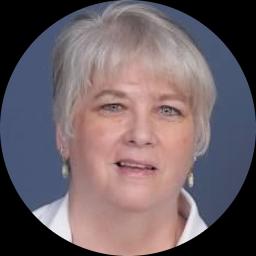
Therapist profile
Mary Widseth, LPC
Minnesota
Licensed Professional Counselor - Anger and Relationships
Continue with MaryKey details
- CredentialsLPC
- LicenseLPC, Minnesota / 2100
- NPI1669021895
- Experience7 years
- LanguagesEnglish
- LocationMinnesota
About
- CBT techniques
- Emotion-focused work
- Practical communication
About Mary
Mary Widseth is a Licensed Professional Counselor (LPC) in Minnesota with seven years of clinical experience. She helps adults who are juggling relationship strain, grief, mood concerns, anxiety, anger, addiction, parenting stress, and life transitions. Mary draws on hands-on work with diverse adults to keep therapy practical and direct.
She earned a master’s degree in Community Psychology and Rehabilitation Counseling and a bachelor’s in Vocational Rehabilitation. Her training includes a certificate in autism. Early career work placed her with adults who faced cognitive, physical, and communication barriers at work. That role involved coordinating with employers, arranging placements, and teaching on-the-job skills.
Mary has provided in-home therapy for children aged 7 to 18 and their families for two years and spent another two years treating adults and children in an office setting. With adults she has addressed anxiety, depression, ADHD, autism, relationship skills, and daily functioning. Her background includes work with people who are transgender and those coping with body-related surgical changes.
She often uses clear, hands-on tools for communication when language is a barrier, such as picture books, rebus boards, and sign language. Those strategies grew from direct experience supporting clients with hearing differences and limited conversational English.
Mary also speaks from lived experience. She was diagnosed with cerebral palsy in childhood and says that insight helped her develop creative problem solving. That perspective informs how she supports adults who need practical strategies for behavior and emotional regulation.
How sessions work
How her approaches translate to online work
Client-Centered Therapy focuses on understanding the person’s perspective and building practical goals together. That approach helps when frustration and anger stem from unmet needs or relationship misunderstandings.Cognitive Behavioral Therapy (CBT) breaks down thought patterns and behaviors into steps you can change. It is useful for anger linked to stress, depression, worrying, or unhelpful thinking. Dialectical Behavior Therapy (DBT) adds specific skills for emotion regulation and distress tolerance when emotions feel overwhelming.
Mary treats the selection of methods as a collaborative process. She will work with a client to see which approach fits their goals, needs, and preferences rather than imposing a single method. Sessions can shift between skill practice, processing feelings, and targeted exercises depending on progress.
The biography does not specify which session formats are offered online, so confirm current options before booking. Online sessions can make it easier to fit therapy into a busy day, allow shorter check-ins when schedules are tight, and remove travel time. Talk through scheduling and format preferences up front so sessions work with everyday life.
Areas of focus
Areas of expertise
Primary focus
Also works with
Additional focus areas
Therapeutic approaches
Experience
7+ years
Listed in
Minnesota
Languages
English
Questions
Frequently asked questions
What kinds of problems does she address related to anger?
She works with adults on anger alongside relationship conflict, stress, anxiety, grief, and parenting challenges.
What is her general therapy style?
She uses practical, hands-on approaches and clear communication tools. Techniques draw from client-centered work, CBT, DBT, EFT, and EMDR.
How much clinical experience does she have?
She has seven years of professional experience, including in-home therapy for children and office-based work with adults and children.
What are her credentials and where does she practice?
She is a Licensed Professional Counselor (LPC) practicing in Minnesota.
Can I work with her if I don’t speak English well?
Sessions are offered in English, and she has used picture books, rebus boards, and sign language when language barriers were present.
Which session formats are offered?
The biography does not list specific session formats; please confirm the current online and in-person options before booking.
How is cost handled for sessions?
Cost varies with location and sessions use a subscription model that can be canceled at any time.
How do I begin working with her?
Begin by selecting the See online therapy options button, completing a short matching questionnaire, and scheduling a first session.
Details come from information the therapist supplied to BetterHelp. A license can be checked with the state board.
Online talk therapy is not emergency care. If anyone is unsafe, use the crisis numbers.