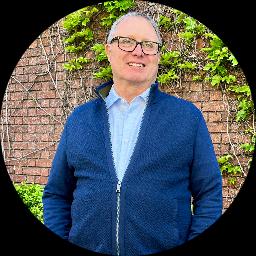
Therapist profile
Marc Rott, LCSW
Oregon
Licensed Clinical Social Worker - Anger and Relationships
Continue with MarcKey details
- CredentialsLCSW
- LicenseLCSW, Oregon / L4346
- NPI1821224601
- Experience26 years
- LanguagesEnglish
- LocationOregon
About
- CBT and EFT methods
- Mindfulness and somatic work
- Parenting and communication
About Marc
Marc Rott is a Licensed Clinical Social Worker (LCSW) in Oregon with 26 years of clinical experience. He works with adults on issues such as anxiety, depression, stress, relationship and parenting concerns, anger, self-esteem, and life transitions. He also supports people navigating ADHD, intimacy concerns, and LGBT issues.
Marc has worked in hospitals, private practice, and higher education, where he taught for more than 25 years. He focuses on finding the patterns and beliefs that keep problems repeating. In sessions he helps people identify those underlying factors and then try practical steps to change how they think and behave.
His approach combines Client-Centered listening with techniques from Cognitive Behavioral Therapy, Emotionally-Focused Therapy, mindfulness practices, and somatic methods. That mix lets him address thoughts, feelings, relationship patterns, and bodily reactions that feed anger, anxiety, or low mood.
Sessions are collaborative and paced to each person’s needs. Conversations include skill-building, experiments to test new responses, and tracking what does and doesn’t help in daily life. He pays attention to communication patterns and moments where frustration or resentment builds.
People contact him for both short-term work and longer-term changes. He also brings experience supporting concerns such as autism and Asperger syndrome, blended family issues, caregiver stress, first responder issues, body image, and sexual subcultures such as BDSM and kink. Practical steps and clearer patterns are central to his work.
How sessions work
How therapeutic approaches translate to online work
Client-Centered Therapy focuses on listening and reflection. The therapist follows the client's lead, clarifies concerns, and helps people name what matters most in relationships and daily life. This approach helps when someone wants to look at how their reactions to others keep repeating.Cognitive Behavioral Therapy (CBT) breaks problems into thoughts, feelings, and behaviors. It uses simple experiments and practice to test new ways of thinking and acting. CBT is often useful for managing anger, anxiety, and stress because it points to concrete steps someone can try between sessions.
Emotionally-Focused Therapy (EFT) attends to patterns in close relationships. It makes space to notice how emotional responses trigger conflict and helps people try new ways of connecting. That can reduce cycles of criticism or withdrawal that often underlie anger.
Finding the right mix of approaches is part of the work. The therapist will collaborate with each person to choose methods that match their goals, preferences, and everyday life. That might mean more skills practice, more body-centered noticing, or more focus on relationship patterns depending on what the client wants to change.
The biography does not list specific online session formats, so confirm current options before booking. Online sessions can make it easier to fit therapy into a busy week, allow shorter check-ins when needed, and remove travel time. They can also let someone continue work while living in another state or country, so long as the format offered meets their needs.
Areas of focus
Areas of expertise
Primary focus
Also works with
Additional focus areas
Therapeutic approaches
Experience
26+ years
Listed in
Oregon
Languages
English
Questions
Frequently asked questions
What kinds of anger issues does he address?
He helps with snapping at loved ones, workplace frustration, built-up resentment, and other anger-related concerns listed in his specialties.
What is his style in therapy?
He works in a collaborative, client-centered way and uses practical techniques from CBT, EFT, mindfulness, and somatic approaches.
How much experience does he have?
He has 26 years of clinical experience across hospitals, private practice, and higher education.
Where is he licensed and practicing?
He is a Licensed Clinical Social Worker (LCSW) licensed in Oregon.
Does he work in languages other than English?
Sessions are offered in English and he also accepts international clients.
What session formats are offered?
The original biography does not list session formats; please confirm current session options before booking.
How does pricing work?
Cost varies with location and sessions use a subscription that can be canceled at any time.
How do I start working with him?
Use the See online therapy options button, complete a short matching questionnaire, and schedule a first session.
Details come from information the therapist supplied to BetterHelp. A license can be checked with the state board.
Online talk therapy is not emergency care. If anyone is unsafe, use the crisis numbers.