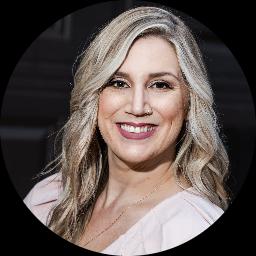
Therapist profile
Lindsey Thorp, LCSW
Florida
LCSW - Anger and relationship concerns
Continue with LindseyKey details
- CredentialsLCSW
- LicenseLCSW, Florida / SW21569
- NPI1568156669
- Experience6 years
- LanguagesEnglish
- LocationFlorida
About
- Anger management
- Relationship patterns
- Stress and anxiety
About Lindsey
Lindsey Thorp is a Florida Licensed Clinical Social Worker (LCSW) with six years of experience. She works with adults who are struggling with stress, anxiety, relationship problems, and anger. Lindsey also supports people facing trauma, self-esteem concerns, career questions, grief, and changes in life circumstances.
She prefers straightforward conversation and practical steps. Sessions focus on understanding what triggers strong emotions and learning ways to respond differently. Lindsey uses approaches that help people notice their thoughts, practice new behaviors, and rebuild connections to the people who matter to them.
Her background includes a range of clinical approaches such as Acceptance and Commitment Therapy, Cognitive Behavioral Therapy, Dialectical Behavior Therapy, Attachment-Based Therapy, and Client-Centered Therapy. She draws on these methods to address emotional regulation, relationship patterns, and recurring responses to stress.
In a typical session she will listen, ask clarifying questions, and suggest exercises to try between meetings. That might include noticing unhelpful thinking, practicing grounding or mindfulness skills, or testing a new way of speaking up at work or home. The focus is on practical changes that fit into daily life.
Lindsey works with people coping with issues like parenting stress, caregiver strain, body image concerns, and the effects of past abandonment or foster care. She also helps those managing mood conditions, eating concerns, and the fallout from separation or domestic violence.
To begin, clients complete a short matching questionnaire and schedule a first session. Costs vary with location and sessions are arranged through a cancellable subscription model.
How sessions work
Therapeutic approaches used in online sessions
Acceptance and Commitment Therapy (ACT) helps people notice thoughts and feelings without getting swept away by them. It focuses on clarifying values and taking small actions that align with what matters, which can help when anger or avoidance gets in the way. Cognitive Behavioral Therapy (CBT) looks at the link between thoughts, feelings, and behaviors. It breaks problems into manageable parts and uses simple experiments and practice to change reactive patterns that contribute to anger or anxiety.Choosing the right approach is part of the work. Lindsey will collaborate with each person to identify goals and try methods that match those goals and preferences. That process may involve mixing techniques from ACT and CBT or using attachment-focused ideas to improve relationship patterns.
Confirm the exact session formats before you book, as the biography does not list specific options. Online sessions can make it easier to fit meetings into a busy week, shorten check-ins when needed, and reduce travel time. They can also allow for different ways of working such as using brief skills practice during a lunch break or scheduling longer sessions when tackling deeper issues. Ask about session length and frequency when you complete the matching questionnaire.
Areas of focus
Areas of expertise
Primary focus
Also works with
Additional focus areas
Therapeutic approaches
Experience
6+ years
Listed in
Florida
Languages
English
Questions
Frequently asked questions
What kinds of problems does she address?
She works with stress, anxiety, trauma and abuse, self-esteem, career and relationship concerns, grief, parenting challenges, and anger among other issues.
What is her therapeutic style like?
She uses practical, conversational sessions that focus on understanding triggers and trying concrete skills between meetings.
How much experience does she have?
She has six years of professional experience as a clinician.
What credential and location does she hold?
She is a Florida Licensed Clinical Social Worker, listed as FL LCSW, and practices from Florida.
Which languages are supported?
Sessions are offered in English.
Can I work with her from outside the United States?
International clients are not currently accepted.
How are fees handled?
Costs vary by location and care is provided through a subscription that can be canceled at any time.
What do I do to start a session?
Use the See online therapy options button, complete a short matching questionnaire, and schedule your first session.
Details come from information the therapist supplied to BetterHelp. A license can be checked with the state board.
Online talk therapy is not emergency care. If anyone is unsafe, use the crisis numbers.