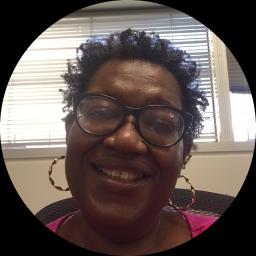
Therapist profile
Karen McCollough, LPC, LPCC
Ohio
Licensed counselor - Anger and addictions
Continue with KarenKey details
- CredentialsLPC, LPCC
- LicenseLPCC, Ohio / E.2606255; LPC, Michigan / 6401223222
- NPI1316366123
- Experience12 years
- LanguagesEnglish
- LocationOhio
About
- Anger management
- Addiction support
- Stress reduction
About Karen
Karen McCollough is a Licensed Professional Clinical Counselor (LPC) in Ohio and a Licensed Professional Counselor (LPCC) in Michigan with 12 years in mental health and chemical dependency work. She helps people who are dealing with stress, anxiety, addictions, anger, and depression. Karen focuses on practical steps people can use to feel more steady in daily life.
She uses straightforward conversation and evidence-based therapeutic techniques to address problems that come up again and again. Sessions look at patterns of thinking and behavior that fuel anger, substance use, or low mood. She also helps people handle life changes and relationship strain with clear tools for managing strong emotions.
Her background spans counseling in both mental health and addiction settings. That experience informs how she approaches issues like codependency, caregiver stress, family-of-origin problems, and communication breakdowns. She draws on methods shown to help with emotional regulation and relapse prevention.
In a typical meeting she listens for what creates heat in a person’s life and then helps build small, practical habits to reduce reactivity. Work can include learning to name triggers, practicing short skills to calm down, or trying different ways to raise concerns without escalating.
Sessions are conducted in English and are organized through a subscription model that can be canceled at any time. To begin, people complete a short matching questionnaire and schedule a first session through the online therapy options button.
How sessions work
Approach to evidence-based work and online sessions
Karen uses evidence-based therapeutic techniques that focus on skills people can practice between meetings. One common approach involves teaching emotion regulation skills that help a person notice rising anger, name it, and use short calming practices to prevent impulsive reactions. This is useful for workplace frustration, arguments at home, or moments of strong shame that lead to snapping at others.Another approach targets patterns that maintain addictions or cycles of conflict. It looks at what comes before and after problematic behavior and builds alternative responses. That work supports relapse prevention, communication changes, and clearer decision making when triggers appear.
Choosing the right approach happens together. The therapist reviews the person’s goals, the situations that cause the most difficulty, and any past strategies that worked or didn’t. From there she recommends techniques to try and adjusts them as progress is made, keeping the work collaborative.
If you are considering online sessions, confirm the session formats available before booking. Online work can make it easier to fit therapy around work, caregiving, or travel. It also lets people use shorter check-ins when time is tight, or choose a session style that avoids being on camera if that feels easier. Licensed professionals aim to make sessions practical and usable within everyday life.
Areas of focus
Areas of expertise
Primary focus
Also works with
Additional focus areas
Experience
12+ years
Listed in
Ohio, Michigan
Languages
English
Questions
Frequently asked questions
What kinds of concerns does she address?
She helps people with stress, anxiety, addictions, anger, depression, coping with life changes, relationship and family issues, trauma and abuse, self esteem, and compassion fatigue.
How would you describe her therapeutic style?
She uses direct, evidence-based techniques and practical conversation to identify triggers and build coping skills. The focus is on clear tools to manage strong emotions and reduce reactivity.
How much experience does she have?
She has worked in mental health and chemical dependency settings for 12 years, which shapes her approach to anger and addiction-related concerns.
What are her credentials and where is she based?
She is a Licensed Professional Clinical Counselor in Ohio (LPC) and a Licensed Professional Counselor in Michigan (LPCC), and she practices from Ohio.
Can I work with her in a language other than English?
Sessions are offered in English.
Does she take international clients?
International clients are not currently accepted.
How are sessions scheduled and what do they cost?
Sessions use a subscription that can be canceled at any time; costs vary with location. Exact pricing is provided during the signup process.
How do I start working with her?
Select the See online therapy options button, complete the short matching questionnaire, and schedule a first session.
Details come from information the therapist supplied to BetterHelp. A license can be checked with the state board.
Online talk therapy is not emergency care. If anyone is unsafe, use the crisis numbers.