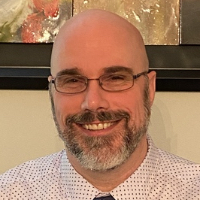
Therapist profile
James Malone, LMHC
Florida
Licensed Mental Health Counselor - Anger and Addictions
Continue with JamesKey details
- CredentialsLMHC
- LicenseLMHC, Florida / MH16907
- NPI1669037388
- Experience13 years
- LanguagesEnglish
- LocationFlorida
About
- ACT and mindfulness
- CBT and client-centered
- Addictions experience
About James
James Malone is a Licensed Mental Health Counselor (LMHC) in Florida with 13 years of clinical experience. He works with adults who are dealing with stress, anxiety, addictions, anger, depression, relationship and family concerns, trauma and abuse, grief, and related challenges such as ADHD and compassion fatigue.
He favors practical, down-to-earth conversations. Sessions focus on clear goals, skill building, and making changes that fit everyday life. He draws on client-centered ideas and cognitive behavioral techniques to help people notice patterns and try different responses when they feel stuck or reactive.
James also uses Acceptance and Commitment Therapy and mindfulness practices to help people live with difficult feelings without acting on them in ways they later regret. He says he will borrow from different approaches as needed rather than rely on one fixed method.
His background includes a master’s degree in counseling and psychology from Troy University and steady clinical work in mental health and addictions since 2012. That mix of addiction and mental health experience informs how he approaches anger and impulsivity, especially when substance use or trauma are involved.
In sessions he will listen for what triggers anger and work with practical strategies to reduce reactivity. He helps people develop clearer communication, manage impulses, and rebuild steadier routines. He also supports clients who want to explore spiritual concerns as part of their growth.
How sessions work
How his approaches translate to online sessions
Acceptance and Commitment Therapy (ACT) focuses on noticing thoughts and feelings without fighting them, then choosing actions that match personal values. It can help with anger by shifting attention from brief emotional spikes to longer-term goals.Cognitive Behavioral Therapy (CBT) looks at the links between thoughts, feelings, and behaviors and teaches concrete skills for changing unhelpful patterns. CBT is useful for managing reactivity, reducing automatic angry responses, and building alternative habits.
Mindfulness practices train attention and bodily awareness so people can spot early signs of escalation. This often makes it easier to pause before acting on anger and to try different responses in the moment.
Finding the right mix of approaches is part of the work. The therapist will collaborate with each client to choose methods that match their goals, life demands, and preferences. That collaborative process includes checking what is or isn’t helpful and adjusting as therapy progresses.
The biography does not list specific session formats, so confirm current online options before booking. Online sessions can make it simpler to fit therapy into a busy week, allow shorter check-ins when needed, and remove travel time. These practical benefits can help maintain consistency and apply new skills to daily situations.
Areas of focus
Areas of expertise
Primary focus
Also works with
Additional focus areas
Therapeutic approaches
Experience
13+ years
Listed in
Florida
Languages
English
Questions
Frequently asked questions
What kinds of anger issues does he help with?
He works with adults who struggle with snapping at loved ones, workplace frustration, buildup of resentment, impulsivity, and anger related to trauma or substance use.
What is his therapeutic style?
He uses a practical, goal-focused style that blends client-centered listening with CBT skills and acceptance-based practices to change reactions over time.
How much experience does he have?
He has 13 years of experience working in mental health and addictions settings, starting clinical work in 2012.
What credentials and location apply to his practice?
He is a Licensed Mental Health Counselor (LMHC) in Florida and holds a master's degree in counseling and psychology from Troy University.
Can I see him if I live outside the United States?
Sessions are offered to international clients; sessions are conducted in English.
What session formats are offered?
The original biography does not list specific session formats. Confirm current session options before booking to know whether video, phone, or other formats are available.
How does billing and cost work?
Cost varies with location and sessions use a subscription that can be canceled at any time.
How do I get started with him?
Select the See online therapy options button, complete a short matching questionnaire, and schedule a first session.
Details come from information the therapist supplied to BetterHelp. A license can be checked with the state board.
Online talk therapy is not emergency care. If anyone is unsafe, use the crisis numbers.