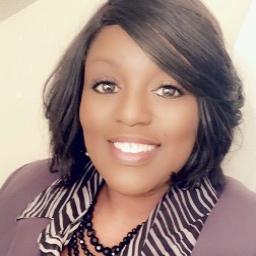
Therapist profile
Felicia McGhee, LPC
South Carolina
Licensed Professional Counselor - Anger and Relationships
Continue with FeliciaKey details
- CredentialsLPC
- LicenseLPC, South Carolina / 6212
- NPI1922124635
- Experience20 years
- LanguagesEnglish
- LocationSouth Carolina
About
- CBT techniques
- DBT skills
- Mindfulness practice
About Felicia
Felicia McGhee is a Licensed Professional Counselor (LPC) in South Carolina with 20 years of experience. She works with stress, anxiety, anger, depression, trauma and related relationship and parenting concerns. She also helps people facing grief, career strain, identity and LGBT issues, and challenges tied to life changes and caregiving.
Much of her work began with adolescents connected to the juvenile justice system and with people served by state agencies. In the last seven years she has done contract work that broadened her practice to include young adults, middle-aged adults, and older adults. That variety informs how she reads a problem and plans practical next steps.
Her style is client-centered and collaborative. She listens for what matters most, then uses straightforward techniques from cognitive behavioral therapy and dialectical behavior therapy to build skills. Mindfulness practices and motivational interviewing are added when they fit the person's goals.
Sessions focus on concrete skills and real-life problems. That might mean learning short strategies to manage anger and frustration, practicing new ways to raise difficult topics, or creating step-by-step plans for a career change or grief process. She invites clients to share helpful background before the first session so time is used well.
Felicia integrates trauma-focused work and grief counseling when those needs appear. She aims to help people develop coping tools, increase emotional awareness, and reduce repetitive patterns that cause strain. Communication and problem-solving are frequent, practical targets in her work.
How sessions work
How her approaches translate to online work
Client-centered therapy centers the client's goals and preferences, so sessions focus on what the person wants to change and how they prefer to work. Cognitive Behavioral Therapy (CBT) breaks problems into thoughts, feelings, and behaviors and uses practical exercises to shift unhelpful patterns; it is often used for anger, anxiety, and depression. Dialectical Behavior Therapy (DBT) emphasizes coping skills like distress tolerance and emotion regulation and can help manage intense reactions and communication problems.Choosing the right approach is collaborative. The therapist will work with each client to match methods to current needs, goals, and preferences. That means trying techniques, reviewing what helps, and adjusting plans rather than committing to one method up front.
Practical benefits of online work include fitting sessions into a busy life and making shorter check-ins easier to schedule. Because the biography does not list specific session formats, confirm which options are offered before booking. Many people find that online meetings let them practice skills between sessions and bring real situations into the work. Licensed professionals can use this flexibility to focus on skill-building for anger management, communication practice, and step-by-step plans that fit daily routines.
Areas of focus
Areas of expertise
Primary focus
Also works with
Additional focus areas
Therapeutic approaches
Experience
20+ years
Listed in
South Carolina
Languages
English
Questions
Frequently asked questions
What kinds of problems does she help with?
She helps with stress, anxiety, anger, depression, trauma, relationship and parenting concerns, plus grief and career issues.
How would you describe her therapeutic style?
Her approach is client-centered and collaborative. She uses practical techniques from CBT and DBT alongside mindfulness and motivational interviewing.
How much experience does she have?
She has 20 years of experience working in counseling, including work with adolescents in the juvenile justice system and clients served by state agencies.
What are her credentials and where is she based?
She is a Licensed Professional Counselor (LPC) in South Carolina and practices from that state.
Does she offer sessions in other languages or to international clients?
Sessions are offered in English. She does not accept international clients at this time.
What session formats are available?
Please confirm current session options before booking as formats are not specified in the biography.
How does pricing work for sessions?
Cost varies with location and sessions use a subscription that can be canceled at any time.
How do I begin working with her?
Select the See online therapy options button, complete the short matching questionnaire, and schedule a first session.
Details come from information the therapist supplied to BetterHelp. A license can be checked with the state board.
Online talk therapy is not emergency care. If anyone is unsafe, use the crisis numbers.