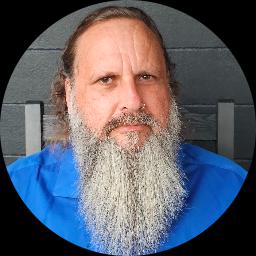
Therapist profile
David Potts, LCSW
Florida
Licensed Clinical Social Worker - Anger and Mood Concerns
Continue with DavidKey details
- CredentialsLCSW
- LicenseLCSW, Florida / SW13643
- NPI1417409723
- Experience14 years
- LanguagesEnglish
- LocationFlorida
About
- CBT for thought patterns
- DBT skills training
- Mindfulness practice
About David
David Potts is a Licensed Clinical Social Worker (LCSW) with 14 years of practice on the Gulf Coast of Southwest Florida. He works with adults and young adults on concerns such as depression, anxiety, stress, grief, parenting dilemmas, relationship problems, ADHD, bipolar disorder, and anger. He also has experience supporting people facing addiction and long-term mental health challenges.
He uses conversational, straightforward sessions that focus on understanding what is causing the problem. He often looks for root causes and practical patterns that feed frustration or resentment. Sessions combine clear, skills-based work with space to look at life meaning and personal values.
David draws on Cognitive Behavioral Therapy (CBT) to spot unhelpful thoughts and change behaviors. He uses Dialectical Behavior Therapy (DBT) and Mindfulness techniques to build emotion regulation and distress tolerance. Emotionally-Focused Therapy (EFT) informs his work with relationship and intimacy-related issues.
His background includes outpatient and residential clinical settings, and long experience with teens who have faced abandonment, trauma, or family disruption. That experience informs his approach with adults who carry wounds from early loss or unstable family systems.
In sessions he emphasizes practical steps and steady progress rather than perfect outcomes. He adapts methods to reflect each person’s goals and pace. Clients who want to address recurring anger, workplace frustration, or built-up resentment will find direct strategies and concrete skills to try between sessions.
How sessions work
How David uses evidence-based approaches online
David commonly uses Cognitive Behavioral Therapy and Dialectical Behavior Therapy in his work. CBT helps people notice and change thought patterns that increase anger and mood problems, and it offers clear behavioral steps to try between sessions. DBT provides skills for regulating intense emotions, tolerating distress, and improving interpersonal effectiveness in heated moments.He also brings Emotionally-Focused Therapy perspective to relationship and intimacy issues. EFT helps people understand emotional responses in close relationships and learn new ways to connect and respond rather than react. Together these methods give both skills and a way to look at underlying relationship patterns.
Finding the right mix of approaches is collaborative. The therapist will discuss goals and suggest techniques, then adjust the plan based on what works for the client. That process helps match skills training, mindfulness work, or relationship-focused sessions to each person’s needs.
Session format options should be confirmed before booking. Ask which formats are offered so you can plan around work, caregiving, or travel. Online sessions can make it easier to fit appointments into a busy week, allow shorter check-ins when needed, and reduce commuting time so clients can practice skills sooner after sessions.
Areas of focus
Areas of expertise
Also works with
Additional focus areas
Therapeutic approaches
Experience
14+ years
Listed in
Florida
Languages
English
Questions
Frequently asked questions
What kinds of anger issues does he address?
He works with built-up resentment, snapping at loved ones, anger related to work stress, and general difficulty managing strong emotions.
How does he approach therapy for anger?
He blends Cognitive Behavioral Therapy, Dialectical Behavior Therapy, and mindfulness to teach emotion regulation and change reactive patterns.
What is his clinical background?
He has 14 years of clinical experience in outpatient and residential settings and longstanding work with teens affected by abandonment and trauma.
What credential does he hold and where is he based?
He is a Licensed Clinical Social Worker (LCSW) licensed in Florida and practices from that region.
Can people who live outside the US work with him?
Sessions are offered to international clients in English.
What session formats are available?
Confirm current session options before booking so you know which formats are offered at the time you schedule.
How does billing work for sessions?
Cost varies with location; sessions use a subscription that can be canceled at any time.
What should I do to begin?
Select the See online therapy options button, complete a short matching questionnaire, and schedule a first session.
Details come from information the therapist supplied to BetterHelp. A license can be checked with the state board.
Online talk therapy is not emergency care. If anyone is unsafe, use the crisis numbers.