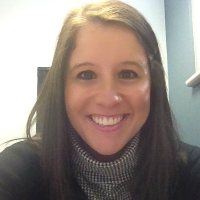
Therapist profile
Dabney Hayes, LPCC, LPC
North Carolina
Licensed counselor - Anger and stress
Continue with DabneyKey details
- CredentialsLPCC, LPC
- LicenseLCMHC, North Carolina / 14628; LMHC, Florida / MH17976; LMHC, Washington / LH61246990; LPC, Colorado / 0016842; LPCC, California / 21269; LPC, South Carolina / 11130
- NPI1265743801
- Experience14 years
- LanguagesEnglish
- LocationNorth Carolina
About
- Anger management skills
- Mindful behavior strategies
- Attachment informed work
About Dabney
Dabney Hayes is a Licensed Professional Clinical Counselor (LPCC) and a Licensed Professional Counselor (LPC) with 14 years of experience. She practices in North Carolina and works with a wide range of concerns including stress, anxiety, depression, trauma and abuse, and anger. She also supports people facing relationship strain, parenting pressures, grief, addiction, ADHD, and career challenges.
Dabney uses a client-centered approach that draws from several evidence-based methods. In sessions she helps people notice how thoughts and feelings influence behavior, and she teaches skills for managing overwhelming emotions. She encourages practical steps that fit everyday life rather than abstract theory.
Her work often focuses on patterns rooted in shame, self-criticism, and perfectionism. She helps people reframe self-talk, reduce harmful coping behaviors, and build steadier routines. For those dealing with grief, trauma, or loss, she offers ways to process painful memories while learning new coping tools.
Dabney has experience in both individual and group settings. She combines Acceptance and Commitment Therapy, Cognitive Behavioral Therapy, Dialectical Behavior Therapy, and attachment-informed work to create sessions that feel straightforward and useful. Clients can expect clear skill-building, practical guidance, and collaborative planning.
She welcomes conversations about parenting struggles, workplace stress, intimacy-related issues, and anger management. If someone wants help reducing reactive responses or handling long-standing resentment, she works on concrete strategies to notice triggers, practice alternative responses, and rebuild relationships over time.
How sessions work
How her approaches translate to online work
Acceptance and Commitment Therapy (ACT) helps people notice thoughts and move toward values-based action. It is useful for anger, anxiety, and motivation struggles because it focuses on small, actionable changes. Cognitive Behavioral Therapy (CBT) breaks down thoughts, feelings, and behaviors into manageable parts and teaches practical tools for changing unhelpful patterns. It is often used for anger, depression, and stress. Attachment-Based Therapy looks at how early relationship patterns shape reactions now and can be helpful when anger and intimacy issues are connected.Choosing the right approach is a collaborative process. The therapist will listen to current concerns, try a few methods, and adjust based on what helps most. Clients and therapist decide together which tools and goals feel most useful for daily life.
The biography did not list specific session formats, so confirm which formats are offered before booking. Online sessions can make it easier to fit therapy into a busy day, allow work on skills between meetings, and shorten check-ins when time is limited. Licensed professionals often use these sessions to teach emotion regulation exercises, role-play difficult conversations, and set practical homework that fits real routines.
Areas of focus
Areas of expertise
Primary focus
Also works with
Additional focus areas
Therapeutic approaches
Experience
14+ years
Listed in
North Carolina, Florida, Washington, Colorado, California, South Carolina
Languages
English
Questions
Frequently asked questions
What kinds of concerns does she help with?
Dabney works with stress, anxiety, depression, trauma and abuse, grief, anger, addictions, parenting challenges, ADHD, and relationship and intimacy-related issues.
What is her therapeutic style?
She uses a client-centered, integrative approach drawing on ACT, CBT, DBT, and attachment-based work to teach practical skills and change unhelpful patterns.
How much clinical experience does she have?
She has 14 years of experience providing therapy in individual and group settings.
What are her credentials and location?
She holds LPCC and LPC credentials and practices in North Carolina.
Can I work with her if I live outside the U.S.?
She accepts international clients and provides sessions in English.
What session formats are available?
The original biography did not list specific session formats; please confirm current session options before booking.
How does payment work?
Cost varies with location; sessions use a subscription that can be canceled at any time.
How do I begin a first session?
Start by selecting the See online therapy options button, complete a short matching questionnaire, and schedule a first session.
Details come from information the therapist supplied to BetterHelp. A license can be checked with the state board.
Online talk therapy is not emergency care. If anyone is unsafe, use the crisis numbers.