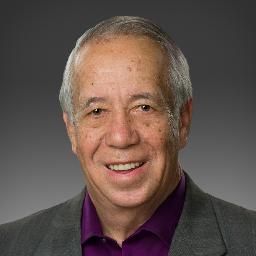
Therapist profile
Curtis Spears, LMHC, LPC
Louisiana
LMHC and LPC - Anger and relationships
Continue with CurtisKey details
- CredentialsLMHC, LPC
- LicenseLPC, Louisiana / 3768; LPC, Oregon / C8585; LMHC, Florida / MH25766
- NPI1699001602
- Experience17 years
- LanguagesEnglish
- LocationLouisiana
About
- Anger management
- Relationship issues
- ACT and CBT
About Curtis
Curtis Spears is a Licensed Mental Health Counselor (LMHC) and a Licensed Professional Counselor (LPC) with 17 years of clinical experience. He works with people facing stress, anxiety, relationship problems, anger, grief, addictions, depression, and other life transitions. Sessions are offered in English and he sees clients in Louisiana as well as internationally.
He has practiced in a range of settings, including a hospital psychiatric unit, a pediatric clinic, employee assistance programs at a large hospital and city system, and as an adjunct professor at Louisiana State University, Shreveport. Those roles exposed him to many kinds of problems and ways people respond to stress. He brings that practical, hands-on experience to appointments.
Curtis describes his current solo practice as accepting and non-judgmental. In sessions he listens, talks through what is happening now, and helps people build ways to handle anger and other strong emotions without shaming. He draws on approaches like Acceptance and Commitment Therapy and Cognitive Behavioral Therapy to help people notice patterns and try different responses.
He also uses Client-Centered and Solution-Focused methods to keep sessions practical and grounded. That means working together on small, concrete steps and checking what actually helps between sessions. He can also use Emotionally-Focused ideas when work on relationships or intimacy arises.
Curtis balances work with a large family life and outdoor hobbies such as sailing and backpacking. He notes scheduling limits for some time zones and asks prospective clients to confirm suitable session times when they reach out. To begin, clients follow the site matching process and schedule a first appointment.
How sessions work
Therapeutic approaches and remote sessions
Acceptance and Commitment Therapy (ACT) focuses on noticing thoughts and feelings without getting stuck in them, then choosing actions that match personal values; it can help with anger that keeps people repeating the same patterns. Cognitive Behavioral Therapy (CBT) looks at the links between thoughts, feelings, and behaviors and offers concrete skills to test and change unhelpful reactions, useful for workplace frustration and snapping at others. Client-Centered Therapy emphasizes a respectful, listening stance so people feel heard while they try different responses to stress and relationships.Finding the right approach is a collaborative process. The therapist will talk with the client about their goals, try methods that fit those goals, and adjust based on what works in real life. That makes sessions practical rather than theoretical and keeps the focus on usable steps between appointments.
The biography does not specify which online formats are offered, so confirm current session options before booking. Online work can make it easier to fit therapy into a busy week, allow shorter check-ins when needed, and reduce travel time. Many people find remote sessions help keep momentum while they experiment with new ways of responding to anger and stress.
Areas of focus
Areas of expertise
Primary focus
Also works with
Additional focus areas
Therapeutic approaches
Experience
17+ years
Listed in
Louisiana, Oregon, Florida
Languages
English
Questions
Frequently asked questions
What kinds of anger-related problems does he support?
He helps people dealing with snapping at loved ones, building resentment, workplace frustration, and other difficulties linked to anger and related concerns.
What is his general therapeutic style?
Sessions focus on listening and practical steps. He uses client-centered and solution-focused methods to find what helps in day-to-day life.
How much experience does he have?
He has 17 years of counseling experience, including work in hospital psychiatric units, a pediatric clinic, and as an adjunct professor.
What are his credentials and where does he practice?
He holds LMHC and LPC credentials and practices in Louisiana while serving clients in multiple states and overseas.
Which languages are sessions offered in?
Sessions are offered in English.
What session formats are available?
The biography does not list specific session formats. Confirm current session options before booking to make sure they fit your needs.
How does payment work and what does it cost?
Cost varies with location. Sessions use a subscription model that can be canceled at any time.
How do I get started with him?
Use the site button to see online therapy options, complete the short matching questionnaire, and schedule a first session.
Details come from information the therapist supplied to BetterHelp. A license can be checked with the state board.
Online talk therapy is not emergency care. If anyone is unsafe, use the crisis numbers.