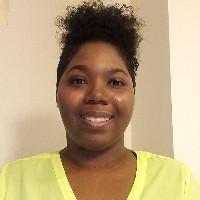
Therapist profile
Crystal Williams, LCSW
Illinois
LCSW - Anger and Relationship concerns
Continue with CrystalKey details
- CredentialsLCSW
- LicenseLCSW, Illinois / 149.019202
- NPI1366835316
- Experience15 years
- LanguagesEnglish
- LocationIllinois
About
- Stress and anxiety
- Couples and families
- CBT and ACT methods
About Crystal
Crystal Williams is a Licensed Clinical Social Worker (LCSW) in Illinois with 15 years of clinical experience. She helps people who are dealing with stress, anxiety, relationship difficulties, grief, low self-esteem, depression, addictions, anger, ADHD, and related concerns.
She has worked across community therapeutic settings, psychosocial groups, and hospitals. That background means she has experience with different formats and with people who bring a range of problems. She has offered individual, couples, family, and group counseling across many stages of life.
Her approach combines several practical methods. She uses cognitive behavioral ideas to change unhelpful thinking and behavior. She draws on Acceptance and Commitment Therapy to help people clarify values and respond differently to difficult emotions. She also uses client-centered and emotionally focused techniques to improve connection and communication.
Sessions focus on clear goals and learning tools you can use outside sessions. She works on stabilizing immediate concerns first, then on building skills for longer term change. Conversations often include problem-solving, emotion regulation strategies, and ways to repair or strengthen relationships.
Crystal aims to be open-minded and relatable in sessions. She asks questions, listens, and helps people identify steps they can try between meetings. Getting started involves a short matching questionnaire and scheduling a first session so practical needs and goals can be reviewed.
How sessions work
How her approaches translate to online work
Acceptance and Commitment Therapy (ACT) helps people notice painful thoughts and feelings without being driven by them, and it supports moving toward personal values. ACT can be useful for anger, stress, and anxiety when the focus is on acting differently despite tough emotions. Cognitive Behavioral Therapy (CBT) breaks down patterns of thinking and behavior and offers concrete tools to change them, which can help with anger outbursts, low mood, and sleep problems. Client-Centered Therapy centers on the person's experience and priorities, letting the therapist follow what matters most in the session and support clearer self-understanding.The choice of approach is collaborative. The therapist will work with the client to test methods, notice what helps, and adjust plans to fit goals and preferences. That means sessions may include skill practice, communication exercises, and brief homework depending on what’s useful.
Confirm the available session formats before booking, since the biography does not list specific options. Online work can make it easier to fit sessions into a busy life by removing travel time, allowing shorter check-ins when needed, or avoiding a commute on a workday. Licensed professionals can adapt the same ACT, CBT, and client-centered techniques to an online setting so the focus stays on practical tools and progress rather than location.
Areas of focus
Areas of expertise
Primary focus
Also works with
Additional focus areas
Therapeutic approaches
Experience
15+ years
Listed in
Illinois
Languages
English
Questions
Frequently asked questions
What kinds of problems does she help with?
She works with stress, anxiety, relationship issues, grief, depression, anger, addictions, ADHD, and related concerns.
What is her therapeutic style like?
Her style is practical and relatable, focusing on goals, skill building, and improving communication.
How much clinical experience does she have?
She has practiced as a clinician for 15 years in settings that include community programs, psychosocial groups, and hospitals.
What credential does she hold and where is she based?
She is a Licensed Clinical Social Worker (LCSW) licensed in Illinois and practices from that state.
Which languages are supported in sessions?
Sessions are offered in English.
Can people outside the US work with her?
She does not accept international clients at this time.
How are sessions structured and what formats are available?
Confirm current session options before booking, as the biography does not specify which formats are offered.
How do I get started with sessions?
Select the See online therapy options button, complete a short matching questionnaire, and schedule a first session.
Details come from information the therapist supplied to BetterHelp. A license can be checked with the state board.
Online talk therapy is not emergency care. If anyone is unsafe, use the crisis numbers.