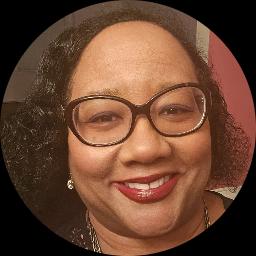
Therapist profile
Caroline Murray, LCMHC
North Carolina
Licensed Clinical Mental Health Counselor - Stress and Anger
Continue with CarolineKey details
- CredentialsLCMHC
- LicenseLCMHC, North Carolina / 6609
- NPI1164629457
- Experience20 years
- LanguagesEnglish
- LocationNorth Carolina
About
- ACT methods
- CBT skills
- Mindfulness practice
About Caroline
Caroline Murray is a Licensed Clinical Mental Health Counselor (LCMHC) practicing in North Carolina with 20 years of experience. She works with adults on stress, anxiety, anger, self-esteem, career concerns, relationship issues, and coping with life changes.
She uses straightforward, person-centered care. Sessions focus on what is happening now, how patterns show up, and what practical steps help reduce reactivity and strain. Conversations include workplace pressure, communication problems, and managing built-up resentment or frequent snapping.
Her clinical toolbox draws on Acceptance and Commitment Therapy, Cognitive Behavioral Therapy, Dialectical Behavior Therapy, Client-Centered Therapy, and Mindfulness-based approaches. That mix is used to practice noticing difficult thoughts, testing unhelpful assumptions, and building clearer choices in tense moments.
Clients work on concrete skills such as grounding, distress tolerance, thought reframing, and values-based action. Therapy also addresses longer-term themes like guilt, shame, codependency, and issues that come with chronic illness or caregiving stress. Sessions aim to make reactions more manageable and to widen options for responding.
Caroline has experience supporting people through divorce, substance-related concerns, grief, and the emotional effects of disasters. She helps people sort out control issues, communication breakdowns, and commitment questions so they can move forward with more clarity.
Sessions are conducted in English and are based in North Carolina. Prospective clients are asked to complete a short matching questionnaire before scheduling an initial appointment.
How sessions work
How ACT, CBT, and Mindfulness inform online sessions
Acceptance and Commitment Therapy (ACT) helps people notice painful thoughts without getting stuck in them. It focuses on values and small actions that move someone toward what matters, useful for chronic frustration or repeated angry reactions. Cognitive Behavioral Therapy (CBT) looks at the link between thoughts, feelings, and behavior. It teaches ways to reframe unhelpful thinking and practice different responses when stress or anger rises. Mindfulness Therapy trains attention and present-moment noticing to reduce automatic reacting and to increase awareness of bodily cues before anger escalates.Deciding which approach to use is a collaborative process. The therapist will talk through goals, try out techniques, and adjust the plan based on what helps most. Clients and the therapist check in about what works and what needs changing as skills are learned and applied.
Confirm the exact session formats before booking since the biography does not detail them. In general, online sessions can make it easier to fit therapy around work, caregiving, or medical appointments. Video or phone options may allow shorter check-ins, fewer travel demands, and more flexibility for scheduling. Licensed professionals can guide practical skill practice between sessions so new ways of responding to anger can be tested in everyday life.
Areas of focus
Areas of expertise
Primary focus
Also works with
Additional focus areas
Therapeutic approaches
Experience
20+ years
Listed in
North Carolina
Languages
English
Questions
Frequently asked questions
What kinds of concerns does she address?
She helps adults with stress, anxiety, anger, self-esteem, career questions, relationships, and coping with life changes.
What is her therapy style like?
Her style is person-centered and practical, focusing on skills training, noticing patterns, and testing new responses in tense moments.
How much experience does she have?
She has 20 years of clinical experience working with a range of concerns including mood issues, communication problems, and caregiver stress.
What credentials and location apply to her practice?
She is an LCMHC licensed in North Carolina and practices there.
Which languages and international options are available?
Sessions are offered in English. International clients are not currently accepted.
What session formats are used?
Please confirm current session options before booking, as the biography does not specify which formats are offered.
How are fees handled?
Cost varies with location and sessions use a subscription model that can be canceled at any time.
How do I begin working with her?
Select the See online therapy options button, complete a short matching questionnaire, and schedule a first session.
Details come from information the therapist supplied to BetterHelp. A license can be checked with the state board.
Online talk therapy is not emergency care. If anyone is unsafe, use the crisis numbers.