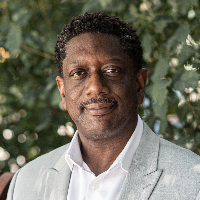
Therapist profile
Barry Winley, LMHC
New York
LMHC in New York - Anger and Anxiety
Continue with BarryKey details
- CredentialsLMHC
- LicenseLMHC, New York / 003955-1
- NPI1588266431
- Experience15 years
- LanguagesEnglish
- LocationNew York
About
- Anger management strategies
- Cognitive behavioral methods
- Attachment-focused work
About Barry
Barry Winley is a Licensed Mental Health Counselor (LMHC) in New York with 15 years of clinical work. He focuses on common struggles such as stress, anxiety, depression, anger, addictions, and relationship concerns. Barry also helps people coping with trauma, grief, parenting strain, ADHD, career shifts, and intimacy-related issues.
He has worked across criminal justice settings and with people affected by incarceration and related PTSD. That background includes work with veterans, law enforcement, teachers, students, and people from inner city, suburban, and rural communities. Those experiences shape a practical approach to daily problems and reactions.
Barry uses a mix of approaches to help people notice patterns that keep problems repeating. He draws on attachment-based thinking to map relationship dynamics. He uses cognitive behavioral techniques to spot unhelpful thoughts and test new behaviors. Emotion-focused ideas are part of how he helps people name strong feelings and respond to them differently.
Sessions move at a straightforward pace. Barry outlines small, concrete steps people can try between meetings. He tracks progress and adjusts plans when a strategy is not working. He also invites people who want to include spiritual or faith concerns to bring those topics into the work.
Clients can expect short-term skill building alongside longer conversations about life history when it helps. Barry aims to help people reduce reactivity, improve communication, and regain more control over everyday responses to stress and anger.
How sessions work
How Barry’s approaches translate to online work
Attachment-based work focuses on how patterns in relationships form and repeat. Online sessions can use conversation and mapping exercises to show where trust, fear, or avoidance get triggered and to try different ways of connecting. Cognitive Behavioral Therapy (CBT) helps people identify thoughts that fuel anger or anxiety and practice alternative responses. In a session this often means noticing automatic thoughts, testing them, and rehearsing new behaviors or scripts. Emotionally-Focused Therapy (EFT) centers on naming and shifting strong feelings in relationships. It helps people say what they feel and ask for what they need in clearer ways.Finding the right approach is part of the work. The therapist will discuss goals and preferences and then try methods that fit those goals. That might mean short skills-focused meetings at first, followed by longer sessions that look at patterns over time. It is collaborative and adjusted based on what helps you make small, steady changes.
Session formats are not listed in the biography, so confirm the available options before booking. Online therapy can make it easier to fit sessions into busy schedules, allow shorter check-ins when time is tight, and reduce travel time. It also gives therapists a chance to use worksheets, in-session role plays, and mindfulness exercises that people can practice between meetings.
Areas of focus
Areas of expertise
Primary focus
Also works with
Additional focus areas
Therapeutic approaches
Experience
15+ years
Listed in
New York
Languages
English
Questions
Frequently asked questions
What kinds of concerns does he help with?
He works with stress, anxiety, depression, anger, trauma, addictions, relationship and intimacy issues, parenting and many life transitions.
What is his general therapy style?
He uses practical, problem-solving work mixed with deeper conversation about relationship patterns and feelings.
How much experience does he have?
He has 15 years of direct mental health counseling experience, including work in criminal justice settings and with veterans.
What credential and location should I know about?
He is a New York Licensed Mental Health Counselor (LMHC) and practices from New York.
Can I work with him in English or from another country?
Sessions are offered in English and he accepts international clients.
Which session formats are used?
Session formats are not specified here; confirm current options before booking so you know what is offered.
How does payment work?
Cost varies with location and sessions use a subscription that can be canceled at any time.
How do I get started with a first appointment?
Use the See online therapy options button, complete the short matching questionnaire, and schedule your first session.
Details come from information the therapist supplied to BetterHelp. A license can be checked with the state board.
Online talk therapy is not emergency care. If anyone is unsafe, use the crisis numbers.