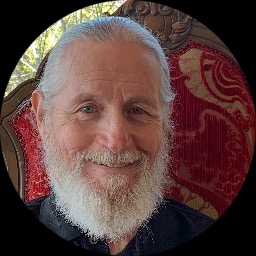
Therapist profile
Thomas Schenck, LPC
Texas
Licensed Professional Counselor - Anger and Relationships
Continue with ThomasKey details
- CredentialsLPC
- LicenseLPC, Texas / 12318
- NPI1255090320
- Experience30 years
- LanguagesEnglish
- LocationTexas
About
- Stress and anxiety
- CBT and client-centered
- Grief and addictions
About Thomas
Thomas Schenck is a Licensed Professional Counselor (LPC) in Texas with 30 years of experience. He works with adults on stress, anxiety, addictions, relationship struggles, grief, and anger. He also helps people facing sleep and eating problems, parenting strain, career questions, ADHD, and related concerns.
He approaches work with the idea that clients know their own story best. Sessions focus on practical steps and on using strengths clients already have. Thomas aims to help people notice patterns, try small changes, and build more useful habits for daily life.
Therapy often includes straightforward conversations about what is happening now. He uses Client-Centered techniques to follow what matters to the person and Cognitive Behavioral Therapy to identify thoughts and behaviors that keep problems going. Existential ideas are used to talk about meaning, choice, and life direction when those issues come up.
He can address relationship strains and intimacy-related concerns using methods from the Gottman Method where appropriate. Jungian ideas may be invited for people who want to look at deeper themes and personal symbols in their life. Sessions balance practical tools with exploration, depending on the person’s goals.
Thomas works with people who want clearer handling of anger, better coping with stress, or help moving through loss and major life changes. To begin, readers are asked to use the online matching flow to pick a time and share the basics so the first session can focus on their immediate concerns.
How sessions work
How therapy approaches translate to online work
Client-Centered Therapy focuses on listening, reflecting, and following what matters to the person. Online sessions using this approach let the therapist center the client’s concerns and move at the client’s pace, whether that means talking through a recent argument or sorting out sources of anger.Cognitive Behavioral Therapy (CBT) looks at thoughts, feelings, and behaviors that keep problems going. In online sessions CBT can include setting small experiments, practicing coping strategies between meetings, and reviewing what worked or didn’t work in daily life.
Existential therapy addresses questions about meaning, responsibility, and life choices. Online conversations can provide space to consider values, purpose, and how to act differently when life feels stuck.
Finding the right approach is part of the work together. The therapist will discuss goals, try methods, and adjust based on the client’s needs and preferences. That decision is collaborative and may change over time as progress and priorities shift.
The biography does not list specific session formats, so confirm the available options before booking. Online sessions can make it easier to fit therapy into a busy schedule, allow shorter check-ins when time is limited, and reduce travel time. Talk with the therapist during the matching process about what will best fit daily life and technical comfort.
Areas of focus
Areas of expertise
Primary focus
Also works with
Additional focus areas
Therapeutic approaches
Experience
30+ years
Listed in
Texas
Languages
English
Questions
Frequently asked questions
What kinds of problems does he help with?
He works with stress, anxiety, addictions, grief, anger, relationship and intimacy issues, and related concerns such as sleep, eating, ADHD, and career matters.
What is his approach in sessions?
Sessions combine Client-Centered listening with Cognitive Behavioral tools and occasional existential or Jungian exploration, depending on what the client prefers and needs.
How long has he worked in this field?
He has three decades of professional experience, bringing 30 years of work with adults on a wide range of life stressors and mental health concerns.
What credential does he hold and where does he practice?
He is a Licensed Professional Counselor (LPC) licensed in Texas and practices with that credential in Texas.
Can I work with him if I live outside the United States?
Sessions are offered in English and he is not accepting international clients at this time.
What session formats are available?
Confirm current session options before booking, as the biography does not specify which formats are offered.
How much do sessions cost?
Cost varies with location and sessions use a subscription model that can be canceled at any time.
How do I get started with a first session?
Use the See online therapy options button, complete the short matching questionnaire, and schedule a first session.
Details come from information the therapist supplied to BetterHelp. A license can be checked with the state board.
Online talk therapy is not emergency care. If anyone is unsafe, use the crisis numbers.