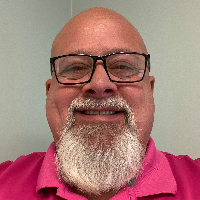
Therapist profile
Terry Brewer, LCSW
Indiana
LCSW - Addictions and Relationship support
Continue with TerryKey details
- CredentialsLCSW
- LicenseLCSW, Indiana / 34008681A
- NPI1477198257
- Experience15 years
- LanguagesEnglish
- LocationIndiana
About
- Addictions
- Relationships
- Anger
About Terry
Terry Brewer is a Licensed Clinical Social Worker (LCSW) in Indiana with 15 years of experience. He has provided counseling in residential facilities, correctional settings, in-person, and through online services. He lists work with addictions, mood concerns, relationship and family difficulties, trauma, anger, and other life stresses among his main areas.
Terry describes a relationship-centered style that is straightforward and at times challenging. He combines Cognitive Behavioral Therapy and Dialectical Behavior Therapy with Motivational Interviewing. Sessions focus on practical skills, clearer decision making, and changes in daily behaviors rather than abstract theory.
Clients can expect talk that is direct and respectful. Conversations aim to reduce unhelpful patterns such as substance use, destructive relationship behaviors, or recurring anger. He emphasizes values-based change so people act from chosen values instead of reacting to circumstance.
Terry has worked with people facing trauma, emotional abuse, and recovery from addiction. He also helps with parenting strain, fatherhood concerns, caregiver stress, and relationship breakdowns. His background includes work since 2009 across multiple settings, including prisons and residential treatment.
He notes weekly live session scheduling needs and uses a subscription model for sessions that can be canceled at any time. Sessions are conducted in English and he accepts international clients; prospective clients should confirm current session options before booking.
How sessions work
How therapeutic approaches translate to online work
Client-Centered Therapy focuses on building a respectful, collaborative relationship. Online sessions using this approach emphasize listening, reflecting, and helping clients name their priorities and values. Cognitive Behavioral Therapy (CBT) breaks issues into thoughts, feelings, and actions and teaches concrete skills to change unhelpful patterns. In online sessions CBT can involve homework, thought records, and short skill practices between meetings. Dialectical Behavior Therapy (DBT) adds skills for managing strong emotions and improving interpersonal effectiveness, with practical exercises to reduce reactivity and anger.Choosing the right approach is a collaborative step. The therapist will review concerns, goals, and preferences together and adapt methods as needed. That might mean focusing first on coping skills, then moving to deeper processing if trauma or long-standing patterns are present.
The biography does not list specific current session formats here, so confirm live session options before booking. Online work can make it easier to fit sessions into a busy week, allow shorter check-ins when needed, and reduce travel time. It also lets clients use audio-only when bandwidth or comfort makes video difficult. Ask about scheduling and format options to find a setup that fits your daily life.
Areas of focus
Areas of expertise
Primary focus
Also works with
Additional focus areas
Therapeutic approaches
Experience
15+ years
Listed in
Indiana
Languages
English
Questions
Frequently asked questions
What concerns does he work with related to anger?
He lists anger among many focus areas and works with related issues such as relationship conflict, stress, and addictions.
What is his therapeutic style when temper is a problem?
He describes a relationship-centered, straightforward approach that can be validating and at times challenging. Work often combines skill teaching and values-based change.
How long has he been practicing?
He has practiced since 2009 and notes 15 years of experience as an LCSW in Indiana.
What credential does he hold and where is he based?
He is a Licensed Clinical Social Worker (LCSW) licensed in Indiana.
Can I see him if I live outside the United States?
Sessions are offered in English and he accepts international clients; confirm logistics before booking.
What session formats does he offer?
The biography mentions in-person and online experience but does not list current session formats here; confirm the available live session options before booking.
How does pricing work?
Cost varies with location and sessions use a subscription that can be canceled at any time.
How do I begin working with him?
Select the See online therapy options button, complete a short matching questionnaire, and schedule a first session.
Details come from information the therapist supplied to BetterHelp. A license can be checked with the state board.
Online talk therapy is not emergency care. If anyone is unsafe, use the crisis numbers.