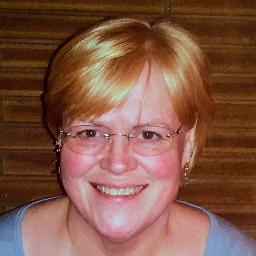
Therapist profile
Susan Gallagher, LMHC
Washington
LMHC - Anger and life changes
Continue with SusanKey details
- CredentialsLMHC
- LicenseLMHC, Washington / LH60928297
- NPI1811556681
- Experience8 years
- LanguagesEnglish
- LocationWashington
About
- ACT and CBT
- Motivation support
- Grief and loss
About Susan
Susan Gallagher is a Washington LMHC with eight years of post-licensure experience. She helps people who are dealing with grief, anger, low self-esteem, motivation problems, and major life changes. She also works with anxiety, stress, depression, ADHD, bipolar concerns, and issues related to intimacy and relationships.
Susan keeps sessions straightforward and practical. She listens first and then helps people notice thoughts and behaviors that fuel anger or persistent low mood. She uses concrete tools from approaches such as Acceptance and Commitment Therapy and Cognitive Behavioral Therapy to help people test new ways of responding to triggers.
Her work also draws on client-centered therapy and solution-focused techniques to clarify what a person wants to change and identify small, doable steps toward that goal. Motivational interviewing is used when someone is feeling stuck or unsure about making changes. The emphasis is on actions that can be tried between sessions.
Susan has worked across a range of concerns that include caregiver stress, attachment and family of origin issues, body image, sexual and kink-affirming concerns, and guilt or shame. She offers a direct, practical style that focuses on shifting patterns rather than lengthy explanation.
People who want to manage daily frustration, rebuild trust with themselves, or find clearer coping strategies for loss and change will find sessions that focus on real-world skills. Susan accepts clients from Washington and international clients in English. To start, clients complete a short matching questionnaire and then schedule the first session.
How sessions work
How her approaches translate to online work
Acceptance and Commitment Therapy (ACT) helps people notice unhelpful thoughts and commit to actions that reflect their values. It is useful for anger that comes from rumination, avoidance, or conflicting priorities. Cognitive Behavioral Therapy (CBT) looks at the links between thoughts, feelings, and behaviors and teaches concrete skills to change reactions and reduce escalation. Solution-Focused Therapy centers on practical steps and short-term goals to create immediate changes in how situations are handled.Choosing an approach is collaborative. Susan will talk with each person about their goals, preferences, and what has or hasn’t worked before. From that conversation she will recommend methods to try and will adjust the plan as progress is made.
The original profile does not list specific session formats, so confirm the current online options before booking. Online sessions can make it easier to fit therapy into a busy day, shorten check-ins when needed, and remove the need to travel. These practical benefits help people try new skills in the settings where anger typically shows up, and the therapist and client can adapt pacing and homework to daily life.
Areas of focus
Areas of expertise
Primary focus
Also works with
Additional focus areas
Therapeutic approaches
Experience
8+ years
Listed in
Washington
Languages
English
Questions
Frequently asked questions
What concerns does she address related to anger?
Susan works with anger alongside grief, stress, anxiety, relationship and intimacy issues. She also addresses control issues, abandonment, and communication problems that often relate to anger.
What is her therapeutic style?
Her style is practical and action-focused. She combines ACT, CBT, client-centered listening, and solution-focused steps to build skills people can use day to day.
How much clinical experience does she have?
She holds eight years of post-licensure experience as an LMHC in Washington. That reflects direct practice with the concerns listed in her profile.
What credential does she hold and where is she based?
She is a Washington LMHC and practices from Washington state. Her credential is listed as WA LMHC.
Can I work with her if I live outside the US?
Sessions are offered to international clients and are conducted in English. Confirm any cross-border practicalities when you arrange a session.
Which session formats are offered?
The original biography does not list specific session formats. Please confirm current session options before booking to ensure they meet your needs.
How does payment and cost work?
Cost varies with location. Sessions are booked through a subscription that can be canceled at any time.
How do I begin working with her?
Select the See online therapy options button, complete the short matching questionnaire, and schedule your first session.
Details come from information the therapist supplied to BetterHelp. A license can be checked with the state board.
Online talk therapy is not emergency care. If anyone is unsafe, use the crisis numbers.