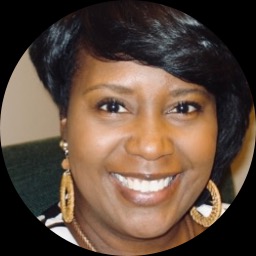
Therapist profile
Surilla Lawrence, LPC
Michigan
Licensed Professional Counselor - Anger and Relationships
Continue with SurillaKey details
- CredentialsLPC
- LicenseLPC, Michigan / 6401222306
- NPI1376100222
- Experience7 years
- LanguagesEnglish
- LocationMichigan
About
- CBT skills
- Attachment focus
- Emotion work
About Surilla
Surilla Lawrence is a Licensed Professional Counselor (LPC) in Michigan with seven years of clinical experience. She works with adults on stress, anxiety, relationship concerns, trauma and abuse, grief, depression, addictions, anger, and related issues. Sessions focus on practical steps people can use day to day to manage strong feelings and improve connections.
Her approach mixes talk and skills work. She uses attachment-based ideas to look at how past relationships shape current patterns. She draws on client-centered methods to keep conversations focused on each person's experience. Cognitive Behavioral Therapy and Dialectical Behavior Therapy provide tools for noticing thoughts and shifting behaviors. Emotionally-Focused Therapy supports deeper work around closeness and emotion in relationships.
Surilla pays attention to problems that often come alongside anger, such as control issues, communication problems, codependency, and abandonment worries. She also addresses life-stage and situational strains like caregiving stress, cancer-related concerns, hospice and end-of-life topics, and the effects of HIV/AIDS when relevant.
Work in sessions typically combines exploring what drives difficult reactions with hands-on techniques to reduce reactivity. Clients may practice new ways of speaking about needs, test different responses to conflict, and use skills to lower stress in the moment. The aim is clearer thinking and steadier behavior rather than quick fixes.
People who choose her often want straightforward, practical support for anger, relationship strain, or recurring stress. To begin, the site’s matching process is used to schedule an initial visit and set goals together.
How sessions work
How her therapeutic approaches are used online
Attachment-Based Therapy looks at how early and past relationships shape current reactions and trust. Online work with this approach often focuses on recognizing patterns in relationships and practicing different ways of relating to others. Cognitive Behavioral Therapy, or CBT, breaks problems into thoughts, feelings, and actions. In sessions clients learn concrete techniques to challenge unhelpful thoughts and try new behaviors when stress or anger rises. Dialectical Behavior Therapy, DBT, adds practical skills for tolerating intense feelings and improving emotional regulation. Choosing the right method is part of ongoing work. The therapist collaborates with each person to identify which approaches fit their goals and preferences. That may mean mixing methods across sessions and adjusting based on what helps most. Session formats are not specified in the biography, so please confirm current online session options before booking. Many people find online sessions help fit counseling into busy schedules, allow shorter check-ins when needed, and make it easier to attend from work breaks or between responsibilities. Licensed professionals can use the same therapeutic techniques online as in person, adapting exercises and homework to the remote setting.Areas of focus
Areas of expertise
Primary focus
Also works with
Additional focus areas
Therapeutic approaches
Experience
7+ years
Listed in
Michigan
Languages
English
Questions
Frequently asked questions
What kinds of problems does she help with?
She works with stress, anxiety, relationship issues, trauma and abuse, grief, depression, addictions, anger, and related concerns listed on her profile.
What is her general approach in sessions?
She combines client-centered talk with skills-based methods such as CBT and DBT and uses attachment and emotion-focused ideas to address relationship patterns and feelings.
How much experience does she have?
She has seven years of professional experience working with adults on a range of emotional and relational concerns.
What credential does she hold and where is she based?
She is a Licensed Professional Counselor (LPC) licensed in Michigan and practices with that credential.
Which languages are supported for sessions?
Sessions are offered in English.
Can international clients work with her?
She does not accept international clients at this time.
How are sessions arranged and what do they cost?
Cost varies with location and sessions use a subscription that can be canceled at any time.
How do I get started with a first session?
Select the See online therapy options button, complete a short matching questionnaire, and schedule a first session.
Details come from information the therapist supplied to BetterHelp. A license can be checked with the state board.
Online talk therapy is not emergency care. If anyone is unsafe, use the crisis numbers.