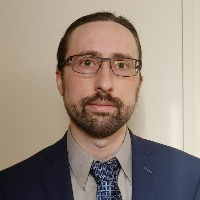
Therapist profile
Steven Smith, LMFT
California
LMFT for relationships and anger
Continue with StevenKey details
- CredentialsLMFT
- LicenseLMFT, California / 124809
- NPI1528439957
- Experience10 years
- LanguagesEnglish
- LocationCalifornia
About
- Client centered approach
- Gottman informed work
- Mindfulness practices
About Steven
Steven Smith is a California LMFT - licensed marriage and family therapist - with ten years of clinical experience. He works with individuals and couples and helps with common concerns such as anxiety, depression, bipolar disorder, trauma and abuse, and anger. He also supports people facing relationship strain, grief, addiction, and parenting stress.
Steven writes that he uses a client-centered and existential approach. That means sessions start with the person's priorities and goals. He listens, reflects, and helps people name what matters to them. He does not aim to "fix" people or force change; instead he helps clients find clearer direction and manageable steps.
In practice he mixes practical conversation, reflective questions, and skill-building. He may draw on mindfulness techniques to reduce reactivity. He also uses elements of motivational interviewing to clarify motivation for change. For relationship concerns he references the Gottman Method to address communication and patterns between partners.
Sessions are conversational and goal-focused. People can expect straightforward feedback and encouragement to try new ways of responding. He pays attention to how routines, roles, and relationship habits shape feelings such as anger or resentment.
Steven has a bachelor's in psychology and a master's in clinical psychology. He has worked across diverse backgrounds and sexual orientations. His experience includes work with mood disorders, trauma-related symptoms, and addiction-related challenges, always centered on the client's own goals.
How sessions work
How his approaches work in online sessions
Steven commonly draws on client-centered therapy, existential therapy, and mindfulness in session. Client-centered therapy focuses on listening closely to what matters to the client and shaping goals around those priorities, which helps with issues like anger and relationship strain. Existential therapy looks at values, responsibility, and choices to help people find meaning when they face life transitions or persistent dissatisfaction. Mindfulness therapy offers practical techniques for noticing triggers and interrupting automatic reactions, which is useful for stress, anger, and anxiety.Choosing the right approach is part of the work. He collaborates with each person to decide which methods fit their situation and goals. That means trying tools, checking what helps, and adjusting course together rather than following a fixed plan.
Session formats are not specified in the biography, so confirm current options before booking. Online sessions can make it easier to fit therapy into a busy schedule, reduce travel time, and allow shorter check-ins when needed. They also let therapists and clients try mindfulness exercises, communication practice, and motivational work in the moment, which can be handy for addressing anger and relationship patterns.
Areas of focus
Areas of expertise
Primary focus
Also works with
Additional focus areas
Therapeutic approaches
Experience
10+ years
Listed in
California
Languages
English
Questions
Frequently asked questions
What kinds of issues does he help with?
He works with stress, anxiety, relationship problems, trauma and abuse, bipolar disorder, depression, addictions, anger, and related concerns like grief and parenting strain.
How would he approach anger in sessions?
He uses a client-centered stance combined with mindfulness and practical skill-building to reduce reactivity and improve how someone responds in tense moments.
What is his background and clinical experience?
He holds a master’s degree in clinical psychology and has ten years of experience working with diverse clients and presenting problems.
What credential does he hold and where does he practice?
He is an LMFT - licensed marriage and family therapist - practicing in California.
Can I work with him in a language other than English?
Sessions are offered in English.
Does he accept international clients?
He does not accept international clients at this time.
How are fees handled?
Cost varies by location; sessions use a subscription that can be canceled at any time.
What do I do to get started?
Select the See online therapy options button, complete a short matching questionnaire, and schedule a first session.
Details come from information the therapist supplied to BetterHelp. A license can be checked with the state board.
Online talk therapy is not emergency care. If anyone is unsafe, use the crisis numbers.