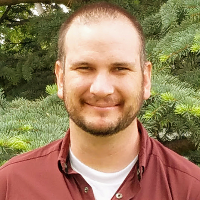
Therapist profile
Stephen Bunnell, LCSW
Idaho
Licensed Clinical Social Worker - Anger and Relationships
Continue with StephenKey details
- CredentialsLCSW
- LicenseLCSW, Idaho / LCSW-40292; LCSW, Utah / 10466255-3501; LICSW, Washington / LW 61358518; LCSW, Arizona / LCSW-21954
- NPI1225373137
- Experience6 years
- LanguagesEnglish
- LocationIdaho
About
- Acceptance and Commitment Therapy
- Client-Centered methods
- Dialectical Behavior Therapy
About Stephen
Stephen Bunnell is a Licensed Clinical Social Worker (LCSW) practicing in Idaho with six years of clinical experience. He works with people facing stress, anxiety, addictions, relationship problems, depression, grief, parenting challenges, anger, ADHD, bipolar disorder, and life transitions. Sessions focus on practical steps clients can use to manage daily struggles and reduce unhelpful patterns.
He has worked across multiple states and brings experience from community and clinical settings. His background includes work with behavioral health, addiction, personality concerns, culture, spirituality, rural life, and homelessness. That variety informs a pragmatic approach to common problems like anger and relationship strain.
Bunnell draws on several therapy styles to match what a person needs in the moment. He uses Acceptance and Commitment Therapy to help people clarify values and take meaningful action. Client-centered methods are used to follow the client’s lead and build a respectful working relationship.
He also incorporates skills from Dialectical Behavior Therapy to teach emotion regulation and distress tolerance. Narrative and existential ideas are used when it helps people reframe painful experiences or wrestle with big life questions. Treatment centers on small, doable changes rather than sweeping fixes.
Sessions emphasize connection and identifying internal strengths people can use to move forward. He aims to help clients notice patterns, try new behaviors, and get clearer about what matters to them. People looking for straightforward, practical work on anger and related issues may find this approach helpful.
How sessions work
Therapeutic approaches used for online work
Acceptance and Commitment Therapy (ACT) helps people get clearer about what matters and take small steps toward those values. It can be useful for anger that comes from stuck patterns or avoidance by helping clients act in line with their priorities.Client-centered therapy focuses on listening and following the client’s concerns. It’s helpful when someone needs a steady, respectful space to talk through triggers and notice what changes feel possible.
Dialectical Behavior Therapy (DBT) provides concrete skills for emotion regulation, distress tolerance, and interpersonal effectiveness. These tools can be practiced in sessions and applied to situations where anger spikes or communication breaks down.
Finding the right mix of approaches is part of the work. The therapist will collaborate with the client to choose methods based on goals, responses to techniques, and practical needs. That makes it easier to shift course if a method isn’t working.
Confirm the exact session formats before booking, as the biography does not specify them. Online sessions can make fitting therapy into a busy week easier and allow focused skills practice without extra travel. They also let people try shorter check-ins, use phone-only conversations when video is impractical, or schedule sessions that fit around work and caregiving commitments.
Areas of focus
Areas of expertise
Primary focus
Also works with
Additional focus areas
Therapeutic approaches
Experience
6+ years
Listed in
Idaho, Utah, Washington, Arizona
Languages
English
Questions
Frequently asked questions
What kinds of anger problems does he help with?
He helps people who snap at loved ones, carry growing resentment, or struggle to manage frustration at work. Anger is listed among the many concerns he addresses alongside relationship and stress issues.
What is his therapeutic style for anger?
He blends approaches to suit practical needs, using skills-based work and values clarification. Sessions emphasize learning specific techniques to manage strong emotions.
How much clinical experience does he have?
He has six years of experience as an LCSW working in mental and behavioral health settings. That includes work across several states and varied populations.
Where is he licensed and based?
He is a Licensed Clinical Social Worker with licenses in Arizona and Utah and currently practices in Idaho.
Does he work in languages other than English?
Sessions are offered in English only.
Can people outside the United States schedule with him?
He does not accept international clients at this time.
How are session costs handled?
Cost varies with location and sessions use a subscription model that can be canceled at any time. Exact pricing depends on the client’s chosen location.
What do I do to start a first session?
Use the See online therapy options button, complete a short matching questionnaire, and schedule your first session. That begins the intake and matching process.
Details come from information the therapist supplied to BetterHelp. A license can be checked with the state board.
Online talk therapy is not emergency care. If anyone is unsafe, use the crisis numbers.