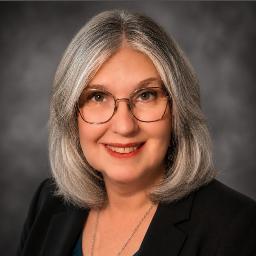
Therapist profile
Sharon Link, LCSW
Missouri
Licensed Clinical Social Worker - Anger and Trauma
Continue with SharonKey details
- CredentialsLCSW
- LicenseLCSW, Missouri / 2020011413; LCSW, Wyoming / LCSW-678
- NPI1720319361
- Experience25 years
- LanguagesEnglish
- LocationMissouri
About
- CBT
- DBT skills
- EMDR
About Sharon
Sharon Link is a Licensed Clinical Social Worker (LCSW) in Missouri with 25 years of practice. She works with adults and younger clients on issues like depression, bipolar disorder, anxiety, addictions, trauma, parenting stress, and anger. Sessions focus on practical skills and clear tools clients can use between meetings.
Sharon draws on several evidence-informed approaches to guide her work. She uses client-centered methods to keep the client's goals front and center. Cognitive Behavioral Therapy (CBT) is used to identify and change unhelpful thinking and behavior patterns. Dialectical Behavior Therapy (DBT) skills appear when emotion regulation and distress tolerance are priorities.
EMDR is included in her toolkit for people who have experienced physical trauma or emotional abuse. Jungian ideas are also part of her background for those interested in deeper personal meaning and patterns. Sharon describes her role as offering tools and teaching clients how to use them rather than telling people what to do.
Her practice has involved a wide range of concerns over many years, including compulsive behaviors like gambling, ADHD, relationship and family difficulties, grief, sleep and eating issues, and caregiver stress. She also lists work with LGBT concerns and hospice and end-of-life counseling among her focus areas.
Sharon works from a plain, interactive style that emphasizes respect and sensitivity. Cost varies by location and sessions use a subscription that can be canceled at any time. International clients are accepted and sessions are conducted in English. To start, users complete the short matching questionnaire and schedule a first session.
How sessions work
How therapeutic approaches are used in online sessions
Sharon commonly combines client-centered work with Cognitive Behavioral Therapy and EMDR when appropriate. Client-centered work means the therapist listens and keeps the client's goals in focus, helping clients steer sessions toward what matters most to them. CBT breaks situations into thoughts, feelings, and actions and teaches practical steps to change unhelpful patterns. EMDR is used with people who have experienced trauma and involves bilateral stimulation paired with focused memory processing to reduce the intensity of traumatic memories.Choosing the best approach happens together. Sharon will discuss goals, try approaches in-session, and adjust based on what helps most. That collaborative testing makes it clearer which tools - CBT skills, DBT techniques, or EMDR procedures - fit a client's needs and pace.
Session formats are not listed here, so please confirm the available online options before booking. In general, online sessions can make it easier to fit therapy into a busy day, allow shorter check-ins when needed, and reduce travel time. They can also let people continue work when relocating or juggling caregiving and work demands, while the therapist focuses on practical skills and coping strategies that translate into daily life.
Areas of focus
Areas of expertise
Primary focus
Also works with
Additional focus areas
Therapeutic approaches
Experience
25+ years
Listed in
Missouri, Wyoming
Languages
English
Questions
Frequently asked questions
What kinds of anger issues does she address?
She works with people who struggle with snapping at loved ones, workplace frustration, built-up resentment, and reactions tied to past trauma.
What is her therapeutic approach like?
She uses client-centered work alongside CBT and DBT skills, offering concrete tools and practicing them in sessions.
How much experience does she have?
Sharon has 25 years of clinical experience working with a wide range of concerns, including addictions and trauma.
What are her credentials and where is she based?
She is an LCSW licensed in Missouri and works from Missouri for clients in that jurisdiction.
Are sessions offered in other languages or to international clients?
Sessions are offered in English and international clients are accepted.
Which session formats are used?
Session formats are not specified here; please confirm current session options before booking.
How does payment and cost work?
Cost varies with location and sessions use a subscription model that can be canceled at any time.
How do I get started with a first session?
Select the See online therapy options button, complete the short matching questionnaire, and schedule your first session.
Details come from information the therapist supplied to BetterHelp. A license can be checked with the state board.
Online talk therapy is not emergency care. If anyone is unsafe, use the crisis numbers.