Key details
- CredentialsLCPC
- LicenseLCPC, Illinois / 180009662
- NPI1821328063
- Experience14 years
- LanguagesEnglish
- LocationIllinois
About
- CBT strategies
- DBT skills
- Mindfulness practice
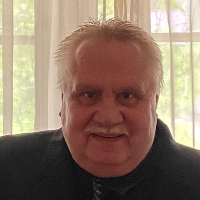
About Scott
Scott Heise is an Illinois Licensed Clinical Professional Counselor (LCPC) with 14 years of clinical experience. He earned a master’s degree in Counseling Psychology and has worked in community mental health settings. He sees adults coping with stress, anxiety, addictions, trauma and abuse, depression, grief, sleep problems, parenting strain, anger, self-esteem concerns, career issues, bipolar mood concerns, and ADHD.
His background includes long-term work with people facing substance use, post-traumatic stress, personality challenges, and the frustrations of everyday life. He has experience supporting those dealing with loss, chronic health struggles, caregiver stress, and family-of-origin problems. He also lists aging and geriatric concerns among his focus areas.
In sessions he follows a client-centered approach. He blends Cognitive Behavioral Therapy (CBT) and Dialectical Behavior Therapy (DBT) techniques to map patterns and build practical skills. Mindfulness and existential ideas appear in his work when people want to explore meaning and present-moment awareness.
Scott uses motivational interviewing to help people find their own reasons for change. He often sets clear, measurable goals together and tracks progress. He has also worked from a faith-informed perspective for those who request that element.
People who come to him for anger often learn to notice triggers, interrupt automatic reactions, and practice alternative responses. Sessions mix concrete skill-building with personal reflection. He frames therapy as a collaborative process focused on real-life changes.
How sessions work
How his approaches translate to online work
Scott blends Client-Centered Therapy, Cognitive Behavioral Therapy (CBT), and Dialectical Behavior Therapy (DBT) in straightforward ways. Client-Centered Therapy means sessions focus on the person's concerns and priorities, with the therapist reflecting and clarifying to keep the work practical. CBT looks at unhelpful thoughts and behaviors and teaches concrete techniques to change them, which helps with anger, anxiety, and mood problems. DBT brings skills for emotion regulation, distress tolerance, and interpersonal effectiveness that are useful when strong feelings come up.Finding the right mix of approaches is part of the process. The therapist will work collaboratively to decide which methods fit a person's goals and preferences. That may mean trying CBT techniques for problem patterns, adding DBT skills for managing intense moments, or bringing in mindfulness exercises to reduce reactivity.
Session formats are not listed here, so confirm current online options before booking. Online sessions can make it easier to fit therapy into work and family schedules, allow shorter focused check-ins when needed, and reduce travel time. They also let people practice skills in the settings where the problems happen, which can help translate learning into everyday life.
Areas of focus
Areas of expertise
Primary focus
Also works with
Additional focus areas
Therapeutic approaches
Experience
14+ years
Listed in
Illinois
Languages
English
Questions
Frequently asked questions
What kinds of problems does he address?
He works with stress, anxiety, addictions, trauma and abuse, depression, grief, sleep issues, parenting strain, anger, self-esteem, career struggles, bipolar concerns, ADHD, and related areas.
What is his therapy style like?
He uses a client-centered style that is goal oriented. Sessions combine practical skill building with reflective conversation.
How many years has he practiced?
He has 14 years of experience, including work in community mental health settings and with a wide range of clinical concerns.
What credential does he hold and where is he based?
He is an IL LCPC, a Licensed Clinical Professional Counselor in Illinois, and practices there.
Can I work with him if I don’t speak English?
Sessions are offered in English.
Does he take clients from other countries?
He does not accept international clients at this time.
How much do sessions cost?
Cost varies with location and sessions use a subscription that can be canceled at any time.
What should I do to begin working together?
Use the See online therapy options button, complete a short matching questionnaire, and schedule your first session.
Details come from information the therapist supplied to BetterHelp. A license can be checked with the state board.
Online talk therapy is not emergency care. If anyone is unsafe, use the crisis numbers.