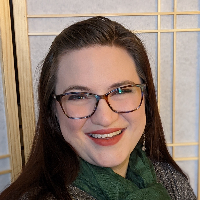
Therapist profile
Rebecca Preston, LMHC
New York
Licensed Mental Health Counselor - Anger and Addiction
Continue with RebeccaKey details
- CredentialsLMHC
- LicenseLMHC, New York / 009100
- NPI1639640659
- Experience8 years
- LanguagesEnglish
- LocationNew York
About
- Mindfulness practice
- CBT techniques
- Attachment focus
About Rebecca
Rebecca Preston is a Licensed Mental Health Counselor (LMHC) in New York with eight years of clinical experience. She has focused much of her work on substance use and the related emotional, relational, and physical challenges people bring. Rebecca also treats mood difficulties like anxiety, depression, and bipolar disorder, and she has worked with people who have experienced complex trauma and attachment problems.
Her practice centers on plain, practical conversation and skill-building. Sessions often include mindfulness exercises and problem-focused work. She aims to help people manage strong feelings, reduce impulsive reactions, and improve day-to-day functioning.
Rebecca has worked across a wide age span and with diverse cultural backgrounds. She describes her approach as client-centered and trauma-informed, using techniques that encourage present-moment awareness and clearer thinking. These methods are applied to concerns such as anger, relationship conflict, sleep disruption, and coping with life changes.
In session she mixes listening with concrete tools - breathing and grounding, behavioral steps, and short goal-focused tasks. That mix can help when someone wants to curb snapping at loved ones, reduce workplace frustration, or manage buildup of resentment.
Her background in addiction services informs how she addresses co-occurring issues, including grief, chronic illness stress, caregiver strain, and attention challenges. People who want straightforward, practical support for strong emotions may find this approach useful.
How sessions work
How her approaches translate to online work
Rebecca uses Cognitive Behavioral Therapy and Mindfulness Therapy in straightforward ways online. CBT involves identifying unhelpful thoughts and testing them with behavioral experiments, which can help with anger, anxiety, and mood swings. Mindfulness Therapy trains attention to present-moment experience through simple breathing and grounding practices that reduce reactivity and rumination.She also draws on Attachment-Based ideas to look at relational patterns and how early relationships shape reactions. That work often focuses on understanding triggers and practicing different responses in everyday interactions. Choosing which approach to use is a collaborative process - the therapist and client discuss goals, preferences, and what feels most useful, then adjust as work progresses.
The biography does not list specific session formats, so confirm the current options before booking. Online sessions can make it easier to fit work into a busy day, allow for shorter check-ins when needed, or remove commute time so people can use that time for practice between sessions. The focus is on practical tools you can apply in real life, and planning how sessions fit into your routine rather than promising any particular outcome.
Areas of focus
Areas of expertise
Primary focus
Also works with
Additional focus areas
Therapeutic approaches
Experience
8+ years
Listed in
New York
Languages
English
Questions
Frequently asked questions
What kinds of concerns does she address?
She works with stress, anxiety, addictions, trauma, anger, mood disorders, sleep issues, and related concerns listed in her profile.
What is her therapy style like?
Her style combines client-centered listening with mindfulness and practical skill teaching. Sessions include present-moment exercises and short goal-focused tasks.
How much clinical experience does she have?
Rebecca has eight years of clinical experience working in settings that included addiction and trauma-related care.
What are her credentials and where is she based?
She is an LMHC - Licensed Mental Health Counselor - licensed in New York and practices from that state.
Can I work with her if I live outside the United States?
Sessions are offered in English and she is not accepting international clients at this time.
What session formats does she offer?
The original biography does not list specific session formats; please confirm current session options before booking.
How are fees handled?
Cost varies with location and sessions use a subscription that can be canceled at any time.
How do I begin if I want to work with her?
Select the See online therapy options button, complete the short matching questionnaire, and schedule a first session.
Details come from information the therapist supplied to BetterHelp. A license can be checked with the state board.
Online talk therapy is not emergency care. If anyone is unsafe, use the crisis numbers.