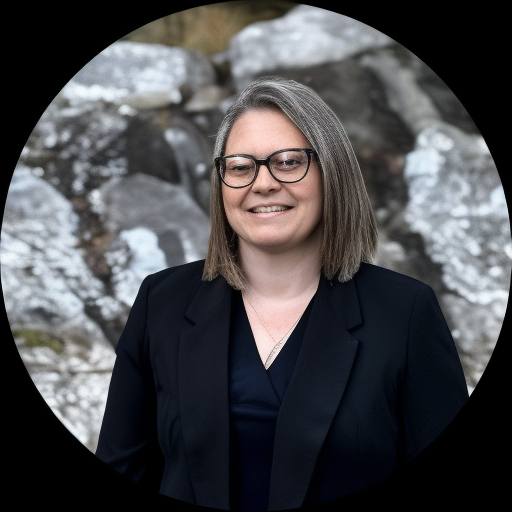
Therapist profile
Rachel Hayes, LPC, LCPC
Florida
Licensed counselor - Anger and trauma
Continue with RachelKey details
- CredentialsLPC, LCPC
- LicenseLPC, Colorado / 00016820; LPC, Arizona / LPC-20595; LCPC, Nevada / CP5101-R; LPC, Wyoming / LPC-2026; LPC, Texas / 98699; LMHC, Florida / MH27364
- NPI1720514680
- Experience8 years
- LanguagesEnglish
- LocationFlorida
About
- CBT techniques
- DBT skills
- EMDR options
About Rachel
Rachel Hayes is a Licensed Professional Counselor (LPC) and a Licensed Clinical Professional Counselor (LCPC) with eight years of counseling experience. She practices from Florida and works with adults on concerns such as depression, anxiety, stress, relationship trouble, and anger. Sessions are conducted in English and she accepts international clients.
Rachel uses practical, skills-based approaches in sessions. She combines client-centered work with cognitive behavioral techniques to help people notice patterns, test small changes, and build different habits. She also uses dialectical behavior therapy skills for emotion regulation and distress tolerance.
For people who have experienced trauma or abuse, Rachel integrates trauma-focused methods like Eye Movement Desensitization and Reprocessing when appropriate. She brings motivational interviewing into conversations about addiction or substance misuse to help people find their own reasons for change.
Clients can expect interactive sessions that focus on concrete tools and clear next steps. Rachel often works on communication problems, codependency, body image, and challenges around family of origin and blended family issues. She also supports people coping with chronic illness or disability and complex conditions with co-morbidity.
Her approach balances practical skill-building with client-centered listening. That means sessions aim to reduce overwhelming reactions and increase practical choices. To begin, readers select the online therapy options button, complete a short matching questionnaire, and schedule a first session. Costs vary by location and use a subscription that can be canceled at any time.
How sessions work
How her approaches translate to online work
Client-centered therapy focuses on the person’s own goals and perspectives. In practice this means the therapist listens, clarifies priorities, and helps shape sessions around what the person wants to change. Cognitive Behavioral Therapy (CBT) teaches practical skills to spot unhelpful thinking and change behaviors. It often involves short exercises and homework to try between sessions.Dialectical Behavior Therapy (DBT) offers clear tools for managing intense emotions and improving distress tolerance. Skills training from DBT can reduce reactive anger and help with relationship communication. These approaches are commonly used together so skills and insight reinforce each other during online sessions.
Finding the right approach is a collaborative part of the first few meetings. The therapist will discuss goals, review which methods might help, and adjust plans based on your needs and preferences. That conversation helps decide whether CBT, DBT, trauma-focused work, or a mix is best.
The source biography does not list specific session formats, so confirm current options before booking. Online therapy can make it easier to fit sessions into a busy schedule, allow shorter check-ins when needed, and remove travel time. It also lets people use techniques and worksheets together in-session, then practice them during the week to track progress.
Areas of focus
Areas of expertise
Primary focus
Also works with
Additional focus areas
Therapeutic approaches
Experience
8+ years
Listed in
Colorado, Arizona, Nevada, Wyoming, Texas, Florida
Languages
English
Questions
Frequently asked questions
What concerns does she focus on?
She works with depression, anxiety, stress, relationship issues, anger, addictions, trauma and eating-related concerns.
What is her therapy style like?
Her style is interactive and practical, combining client-centered conversation with skills-based work such as CBT and DBT techniques.
How much experience does she have?
She has eight years of counseling experience working in inpatient and outpatient settings with a wide range of concerns.
What are her credentials and location?
She holds LPC and LCPC credentials and practices from Florida. Credential details include WY LPC and NV LCPC.
Does she offer sessions in other languages or to international clients?
Sessions are offered in English and she accepts international clients.
What session formats are offered?
The original profile does not specify session formats; confirm current session options before booking.
How much do sessions cost?
Cost varies with location and sessions use a subscription that can be canceled at any time.
How do I get started?
Select the See online therapy options button, complete a short matching questionnaire, and schedule a first session.
Details come from information the therapist supplied to BetterHelp. A license can be checked with the state board.
Online talk therapy is not emergency care. If anyone is unsafe, use the crisis numbers.