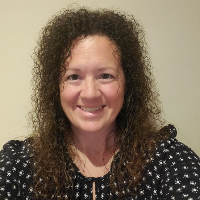
Therapist profile
Rachel DiPippo, LMHC
Rhode Island
LMHC - Anger and Relationship Concerns
Continue with RachelKey details
- CredentialsLMHC
- LicenseLMHC, Rhode Island / MHC00525
- NPI1376721753
- Experience22 years
- LanguagesEnglish
- LocationRhode Island
About
- CBT techniques
- Mindfulness practice
- Motivational interviewing
About Rachel
Rachel DiPippo is a Licensed Mental Health Counselor (LMHC) with 22 years of experience based in Rhode Island. She works with adults on concerns such as stress, anxiety, addiction, relationship problems, parenting challenges, depression, trauma and abuse, grief, eating and intimacy-related issues, anger, self-esteem, and ADHD. Rachel draws on a mix of approaches and partners with each person to set clear goals for therapy.
Her style is direct and collaborative. Sessions focus on identifying what drives difficult reactions and establishing practical steps to change them. She uses evidence-informed tools to help people shift unhelpful thinking, manage strong emotions, and improve communication in close relationships.
Rachel commonly applies Client-Centered Therapy to keep conversations focused on the person and their priorities. She also uses Cognitive Behavioral Therapy to spot patterns of thought and behavior that maintain distress, and Mindfulness Therapy to develop attention and regulation skills. Motivational Interviewing and Narrative Therapy are added when clients need help finding reasons to change or reframe their stories.
In practice she helps people break cycles of negative self-talk and maladaptive coping. That can mean learning new ways to respond to anger, building skills for parenting stress, or addressing substance use alongside emotional work. Goals are concrete and progress is checked together.
Sessions aim to produce tools people can use between appointments. Rachel emphasizes clear steps, homework when useful, and steady problem solving. She works in English and sees clients in Rhode Island.
How sessions work
How her approaches translate to online work
Rachel often blends Cognitive Behavioral Therapy and Mindfulness Therapy in her work. CBT looks at the links between thoughts, feelings, and actions and helps people test and change unhelpful thinking. It is useful for anger that comes from patterns of rumination, unhelpful beliefs, or repeated reactions. Mindfulness Therapy teaches attention and grounding skills so strong emotions can be noticed early and managed differently. It helps people slow down before reacting.She also uses Client-Centered Therapy to keep sessions focused on the client's priorities and to shape goals together. Finding the right mix of methods is part of the work. The therapist will collaborate with the client to decide which approaches feel most useful and adjust as progress unfolds.
The biography does not specify which online session formats are offered, so confirm the available options before booking. Online sessions can make it easier to fit therapy into a busy day, allow shorter check-ins when needed, and remove travel time. They can also let someone practice newly learned skills in their usual settings and bring those experiences directly into session for discussion.
Areas of focus
Areas of expertise
Primary focus
Also works with
Additional focus areas
Therapeutic approaches
Experience
22+ years
Listed in
Rhode Island
Languages
English
Questions
Frequently asked questions
What kinds of anger issues does she help with?
She supports adults dealing with snapping at loved ones, mounting resentment, workplace frustration, or difficulty managing another person's anger. Anger is listed among the concerns she works with.
How would she approach temper and reactivity?
Rachel uses a collaborative style and mixes approaches like Cognitive Behavioral Therapy and mindfulness to identify triggers and build practical skills for managing reactions.
How much clinical experience does she bring?
She has 22 years of experience working in a range of settings with individuals, couples, and families.
What credential does she hold and where does she practice?
She is a Licensed Mental Health Counselor, Rhode Island LMHC, and she practices in Rhode Island.
Does she offer sessions in other languages or to international clients?
Sessions are offered in English. She is not currently accepting international clients.
What session formats are available?
The original biography does not list specific session formats. Please confirm current session options before booking.
How does payment and cost work?
Cost varies with location and sessions are provided through a subscription model that can be canceled at any time.
How do I begin working with her?
Select the See online therapy options button, complete a short matching questionnaire, and schedule a first session.
Details come from information the therapist supplied to BetterHelp. A license can be checked with the state board.
Online talk therapy is not emergency care. If anyone is unsafe, use the crisis numbers.