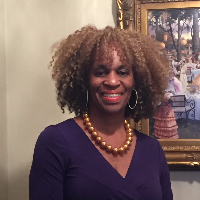
Therapist profile
Mary Shands, LPC
Texas
Licensed Professional Counselor - Anger and Relationships
Continue with MaryKey details
- CredentialsLPC
- LicenseLPC, Missouri / 2014024447; LPC, Texas / 77506
- NPI1649793787
- Experience12 years
- LanguagesEnglish
- LocationTexas
About
- CBT interventions
- Attachment-informed work
- Client-centered care
About Mary
Mary Shands is a Licensed Professional Counselor (LPC) licensed in Missouri and Texas with 12 years of clinical experience. She has worked in schools, veteran services, substance abuse treatment, and programs addressing sexual offending. Mary has helped people with trauma, depression, anxiety, relationship and parenting concerns, and issues related to adoption and separation.
Her background spans special education counseling, general school counseling, and roles in an insurance company and treatment centers. That mix means she has seen common stress patterns in many settings. She also has experience supporting people facing substance use challenges and those affected by COVID-19 related mental health strain.
In sessions she draws from cognitive behavioral methods alongside client-centered and attachment-informed ideas. She also uses elements of emotionally-focused and existential approaches when they fit the concern. The work tends to focus on what people are doing day to day and on practical ways to change unhelpful patterns.
Mary describes herself as an engaged listener who brings energy to sessions. She gives short presentations and trainings in community venues in addition to clinical work. Her credentials are MO LPC and TX LPC and she practices from Texas.
People often reach out to address anger, coping with life changes, grief, self-esteem, and relationship strain. If someone is weighing therapy for stress, addictions, or trauma, she uses concrete tools and conversation to map next steps and set achievable goals.
How sessions work
How therapeutic approaches shape online work
Mary uses cognitive behavioral therapy to help people notice and change unhelpful thoughts and behaviors. CBT is practical and often focuses on small, testable changes that reduce anger and anxiety in daily life.She also uses client-centered therapy, which centers on listening and reflecting so people can clarify their own goals. That approach supports people who need time to understand their reactions before trying new skills.
Finding the right approach is part of the work together. The therapist will discuss goals and preferences and then recommend which methods to try. Clients and the therapist check progress and adjust methods as needed so the plan fits how the person wants to work.
Confirm current session formats before booking because the biography does not list specific delivery methods. Online options can make it easier to fit therapy into a busy week, shorten check-ins, or avoid travel. Some formats also allow sessions without video or with shorter time blocks depending on what helps a person keep therapy in their routine.
Areas of focus
Areas of expertise
Primary focus
Also works with
Additional focus areas
Therapeutic approaches
Experience
12+ years
Listed in
Missouri, Texas
Languages
English
Questions
Frequently asked questions
What kinds of problems does she help with?
She works with stress, anxiety, trauma, depression, addictions, relationship and parenting concerns, anger, and related issues such as grief and self-esteem.
What is her therapeutic style like?
She combines client-centered listening with practical tools from cognitive behavioral and attachment-informed approaches to change everyday patterns.
How much experience does she have?
She has 12 years of experience across schools, veteran services, substance abuse treatment, and other clinical settings.
Where is she licensed and based?
She is a Licensed Professional Counselor with licenses in Missouri (MO LPC) and Texas (TX LPC) and practices from Texas.
Which languages are supported in sessions?
Sessions are offered in English and she accepts international clients.
What session formats are offered?
Please confirm current session options before booking, as the biography does not list specific formats.
How does pricing work?
Cost varies with location; sessions use a subscription that can be canceled at any time.
How do I begin working with her?
Use the See online therapy options button, complete the short matching questionnaire, and schedule a first session.
Details come from information the therapist supplied to BetterHelp. A license can be checked with the state board.
Online talk therapy is not emergency care. If anyone is unsafe, use the crisis numbers.