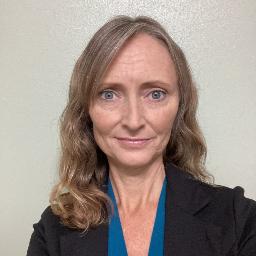
Therapist profile
Maggie Johnson, LPCC
Minnesota
Maggie Johnson, LPCC - Anxiety and Anger
Continue with MaggieKey details
- CredentialsLPCC
- LicenseLPCC, Minnesota / cc01126
- NPI1164997474
- Experience9 years
- LanguagesEnglish
- LocationMinnesota
About
- CBT techniques
- Mindfulness practice
- Motivational interviewing
About Maggie
Maggie Johnson is a Licensed Professional Clinical Counselor (LPCC) in Minnesota with nine years of clinical experience. She works with adults dealing with stress, anxiety, anger, depression, bipolar concerns, addictions, relationship and family difficulties, trauma, grief, and related struggles.
Maggie focuses on practical steps clients can take to manage intense emotions and daily stress. She uses clear, straightforward conversation to help people notice patterns that keep them stuck. Sessions often include concrete skills practice as well as talking through what’s happening in relationships and at work.
Her work draws on cognitive behavioral ideas to help change unhelpful thinking and behavior. She also brings client-centered principles, which means listening closely and following what matters to each person. Mindfulness strategies are used to build awareness of emotions in the moment.
Maggie integrates motivational interviewing when substance use or behavior change is a concern, and narrative therapy techniques to reframe personal stories that fuel shame or resentment. This mix aims to make tools usable outside the session and to help people regain control over reactions that interfere with daily life.
She has experience supporting people through parenting stress, career transitions, sleep and eating concerns, and the long-term effects of trauma. Sessions take a practical tone with an emphasis on skills, perspective shifts, and problem-solving steps clients can try between meetings.
How sessions work
How Maggie’s approaches translate to online work
Maggie draws on cognitive behavioral therapy and mindfulness therapy in straightforward ways. CBT focuses on identifying and changing thought and behavior patterns that fuel anger or anxiety, with practical exercises and experiments to try between sessions. Mindfulness therapy helps people notice emotional and bodily signals sooner, so they can choose a different response rather than react on autopilot. She also uses client-centered methods, which means listening closely and shaping sessions around each person’s concerns and goals. Figuring out the best mix of methods is a shared process. The therapist and client discuss what feels most helpful and adjust the approach over time based on results and preferences. Confirm the specific session options before booking, as formats are not listed here. Online work can make it easier to fit therapy into a busy week, allow shorter check-ins when needed, or avoid travel time for appointments. It can also support practicing skills in real-life settings and bringing real examples into sessions for discussion. Licensed professionals use these formats to help clients apply tools between meetings and to keep momentum when life is busy.Areas of focus
Areas of expertise
Primary focus
Also works with
Additional focus areas
Therapeutic approaches
Experience
9+ years
Listed in
Minnesota
Languages
English
Questions
Frequently asked questions
Which anger-related problems does she address?
She works with anger as it appears in snapping at loved ones, workplace frustration, built-up resentment, and reactions after trauma or grief.
What is her therapy style like?
She uses a practical, conversational style that emphasizes skill-building and noticing patterns in thoughts and behavior.
How much clinical experience does she have?
She has nine years of experience working with anxiety, depression, bipolar concerns, trauma, addiction, and anger-related issues.
What are her credentials and where is she based?
She is an LPCC - Licensed Professional Clinical Counselor - licensed in Minnesota and practices there.
Does she offer sessions in other languages?
Sessions are offered in English.
Are international clients accepted?
International clients are not currently accepted.
How is cost handled for sessions?
Cost varies with location; sessions use a subscription that can be canceled at any time.
How do I begin working with her?
Select the See online therapy options button, complete a short matching questionnaire, and schedule a first session.
Details come from information the therapist supplied to BetterHelp. A license can be checked with the state board.
Online talk therapy is not emergency care. If anyone is unsafe, use the crisis numbers.