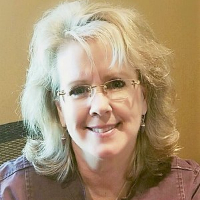
Therapist profile
Dr. Karyn Smith, MN Psychologist 6271
Minnesota
Dr. Karyn Smith - Psychologist, Anger and Relationship concerns
Continue with KarynKey details
- CredentialsMN Psychologist 6271
- LicensePsychologist, Minnesota / 6271
- NPI1689998098
- Experience25 years
- LanguagesEnglish
- LocationMinnesota
About
- ACT and CBT methods
- DBT skills practice
- Gottman relationship tools
About Karyn
Dr. Karyn Smith is a Minnesota psychologist (MN Psychologist 6271) with 25 years of clinical experience. She works with adults facing stress, anxiety, relationship strain, trauma and abuse, depression, addictions, parenting challenges, anger, and other life concerns.
Her work is conversational and interactive. She uses clear, practical techniques drawn from cognitive behavioral approaches and client-centered listening. Sessions focus on what is happening now and on concrete steps a person can try between meetings.
Dr. Smith draws on Acceptance and Commitment Therapy (ACT) and Cognitive Behavioral Therapy (CBT) to help people notice unhelpful patterns and experiment with new responses. She also integrates Dialectical Behavior Therapy (DBT) skills and elements of the Gottman Method when relationship work is needed. The goal is to reduce overwhelm and improve daily functioning.
Her background includes extensive work with people who have experienced neglect, physical or sexual trauma, and emotional abuse. She also has experience supporting people with ADHD, bipolar disorder, eating and sleeping problems, grief, caregiver stress, and issues related to gender and sexual identity.
In sessions she listens for strengths and practical barriers. She helps set realistic goals, practices skills in-session, and suggests exercises to use in real life. The approach is steady and pragmatic, aimed at helping someone manage anger, rebuild trust in relationships, and handle stressful situations more effectively.
How sessions work
How her approaches translate to online work
Acceptance and Commitment Therapy (ACT) encourages noticing thoughts and feelings without getting ruled by them, then committing to actions that fit one’s values. It can help with anger that feels automatic and with making value-driven choices in relationships. Cognitive Behavioral Therapy (CBT) focuses on identifying unhelpful thinking and testing new behaviors. It is useful for stress, anxiety, and mood problems by giving clear experiments and homework to try between sessions.Finding the right approach is part of the work. Dr. Smith will collaborate with each person to decide whether ACT, CBT, DBT skills, or elements of the Gottman Method best match their goals. She will explain options and adjust methods as progress and needs become clearer.
The biography does not list specific online formats, so confirm current session options before booking. Online work can make it easier to fit sessions into a busy week, allow shorter check-ins when time is limited, and avoid travel time. It also supports practicing skills in the settings where problems occur, such as at home or during a work break. Licensed professionals often adapt worksheets, behavioral experiments, and skills practice to remote sessions so the work stays practical and action-focused.
Areas of focus
Areas of expertise
Primary focus
Also works with
Additional focus areas
Therapeutic approaches
Experience
25+ years
Listed in
Minnesota
Languages
English
Questions
Frequently asked questions
What kinds of problems does she address?
She works with stress, anxiety, relationship issues, trauma and abuse, depression, addictions, anger, parenting concerns, and related challenges.
What is her therapeutic style?
Her style is interactive and conversational, using client-centered listening together with practical CBT and DBT techniques.
How much clinical experience does she have?
She has 25 years of experience as a practicing psychologist and therapist in Minnesota.
What credential does she hold and where is she located?
She is listed as MN Psychologist 6271 and practices in Minnesota.
Which languages are supported?
Sessions are offered in English.
Can international clients work with her?
International clients are not currently accepted.
What session formats are offered?
The original biography does not specify session formats; confirm current session options before booking.
How are fees handled and how do I begin?
Cost varies with location and sessions use a subscription that can be canceled at any time. To get started, select the See online therapy options button, complete a short matching questionnaire, and schedule a first session.
Details come from information the therapist supplied to BetterHelp. A license can be checked with the state board.
Online talk therapy is not emergency care. If anyone is unsafe, use the crisis numbers.