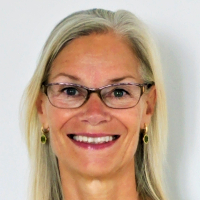
Therapist profile
Kara Denahan, LMFT
Rhode Island
Licensed Marriage and Family Therapist - Anger and Relationships
Continue with KaraKey details
- CredentialsLMFT
- LicenseLMFT, Rhode Island / MFT00080
- NPI1255493813
- Experience23 years
- LanguagesEnglish
- LocationRhode Island
About
- Mindfulness practices
- Internal Family Systems
- CBT techniques
About Kara
Kara Denahan is a Licensed Marriage and Family Therapist (LMFT) in Rhode Island with 23 years of clinical work. She provides therapy to individuals and draws on long experience helping people manage stress, anxiety, relationship struggles, trauma and abuse, depression, and anger. She also supports clients with issues like ADHD, addictions, grief, intimacy concerns, and career strain.
Kara studied Marriage and Family Therapy at the University of Rhode Island and holds a Master of Science degree. Her path to therapy included an early career in design and photography, followed by a return to graduate study in her thirties. After several years working for others, she opened a private practice where she has practiced since.
Meditation and mindfulness became central to her approach after joining a meditation group focused on the teachings of Thich Nhat Hanh. Those practices inform how she works with clients on acceptance, present-moment awareness, and calming practices for stress and emotional reactivity. She later completed intensive training in Internal Family Systems (IFS), which shaped how she talks about the different parts of a person and their internal conflicts.
Kara has also integrated ideas from Polyvagal Theory and interpersonal neurobiology into her clinical thinking. Those influences guide attention to how the nervous system and attachment patterns affect relationships and emotional regulation. She uses practical techniques drawn from cognitive behavioral and trauma-focused work alongside mindfulness methods.
Her sessions tend to emphasize clear conversation, developing self-understanding, and practices clients can use between meetings. She helps people notice patterns, try small changes, and build skills to manage anger, regulate mood, and repair communication in close relationships.
How sessions work
Therapeutic approaches and doing work remotely
Kara often draws on Attachment-Based Therapy to look at how early relationships shape current interaction patterns. That approach focuses on understanding connection and trust in relationships and can help with relationship strain and intimacy issues.She also uses Client-Centered Therapy, which emphasizes listening and reflecting so the client can increase self-awareness and make their own choices. This can be useful when someone wants a steady, nonjudgmental space to talk through big decisions or persistent patterns.
Cognitive Behavioral Therapy (CBT) is used for practical skill building. CBT identifies unhelpful thoughts and behaviors and offers concrete exercises to reduce anxiety, anger reactivity, and depressive thinking.
Finding the right approach is part of the work. Kara will collaborate with clients to identify which methods fit their goals and preferences, and she adjusts over time as needs change. The process is a conversation about what helps most in day-to-day life.
Session formats are not specified here, so confirm current options before booking. In general, online therapy can make it easier to fit sessions into a busy schedule, allow shorter check-in meetings when needed, and reduce travel time. It also makes it simpler to continue regular work while trying practical tools between meetings.
Areas of focus
Areas of expertise
Primary focus
Also works with
Additional focus areas
Therapeutic approaches
Experience
23+ years
Listed in
Rhode Island
Languages
English
Questions
Frequently asked questions
What kinds of concerns does she address?
She works with stress, anxiety, relationship problems, trauma and abuse, depression, anger, and related issues such as grief, addictions, and intimacy concerns.
How would you describe her therapeutic style?
Her style blends mindfulness, client-centered listening, and practical techniques from cognitive behavioral approaches to help people notice patterns and try new responses.
How much clinical experience does she have?
She has 23 years of experience as a clinician, including time in private practice after training at the University of Rhode Island.
What are her credentials and where is she based?
She is a Licensed Marriage and Family Therapist, RI LMFT, and practices in Rhode Island.
Can sessions be conducted in other languages or internationally?
Sessions are offered in English and she does not accept international clients at this time.
What session formats are available?
Session formats are not listed here; please confirm current session options before booking.
How does cost work for therapy with her?
Cost varies with location and sessions use a subscription that can be canceled at any time.
What is the process for getting started?
Begin by selecting the See online therapy options button, completing a short matching questionnaire, and scheduling a first session.
Details come from information the therapist supplied to BetterHelp. A license can be checked with the state board.
Online talk therapy is not emergency care. If anyone is unsafe, use the crisis numbers.