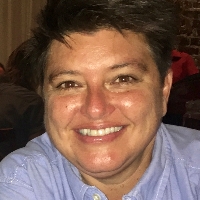
Therapist profile
Julie Knight, LPCC, LPC
California
Licensed counselor - Anger and relationships
Continue with JulieKey details
- CredentialsLPCC, LPC
- LicenseLPC, Oklahoma / 2847; LPCC, California / 15680
- NPI1659406999
- Experience30 years
- LanguagesEnglish
- LocationCalifornia
About
- ACT and CBT methods
- DBT skills training
- Attachment focus
About Julie
Julie Knight is a Licensed Professional Clinical Counselor (LPCC) and Licensed Professional Counselor (LPC) practicing in California with 30 years of clinical experience. She works with people facing stress, anxiety, depression, anger, relationship and family concerns, grief, trauma, and life transitions. Julie also supports clients dealing with ADHD, bipolar mood issues, career strain, and LGBT-related concerns.
Her style is straightforward and person-centered. She focuses on strengths and clear goals. Sessions aim to help people understand themselves better and develop practical ways to respond to strong emotions like anger or persistent anxiety.
Julie draws from several evidence-informed approaches. She uses Acceptance and Commitment Therapy to help clients clarify values and take values-guided actions. Cognitive Behavioral Therapy is used to spot and shift unhelpful thinking patterns that fuel upset and reactive behavior. Dialectical Behavior Therapy skills are taught for emotion regulation and distress tolerance.
She also works with attachment-based ideas to improve how people relate to others, and client-centered methods that emphasize the person's perspective in making changes. Julie often helps clients explore personality patterns, including Myers-Briggs influenced typology, to increase self-understanding and communication.
Her background includes inpatient psychiatric work and crisis response, along with long experience in individual and family therapy. She encourages practical steps you can use between sessions to manage anger, rebuild relationships, and cope with major life changes.
How sessions work
How her approaches translate to online sessions
Julie often draws on Acceptance and Commitment Therapy and Cognitive Behavioral Therapy in her work. ACT helps people clarify what matters most and to take small actions in line with those values, which can reduce reactive behavior. CBT focuses on identifying and changing thought patterns that escalate anger and anxiety, giving clear techniques to practice between sessions.She also uses Dialectical Behavior Therapy skills for emotion regulation and distress tolerance. DBT skills give concrete steps to manage strong feelings and reduce impulsive responses that can harm relationships.
Choosing the right approach is a collaborative process. The therapist and client review goals, preferences, and how symptoms show up, then pick methods to try and adjust them as needed. This shared decision-making helps keep work practical and focused on everyday problems like work frustration or family conflict.
The original biography does not list specific online session formats, so confirm the available options before booking. Online work can make it easier to fit sessions into a busy life, allow shorter check-ins when needed, or offer phone rather than video when bandwidth is limited. Many people find these practical arrangements help them maintain momentum between appointments.
Areas of focus
Areas of expertise
Also works with
Additional focus areas
Therapeutic approaches
Experience
30+ years
Listed in
Oklahoma, California
Languages
English
Questions
Frequently asked questions
What kinds of anger issues does she address?
She helps with snapping at loved ones, built-up resentment, frustration at work, and managing strong emotional reactions.
How would you describe her therapy style?
She uses a person-centered, strengths-based, goal-oriented approach focused on practical skills and self-understanding.
How much clinical experience does she have?
She brings 30 years of experience in mental health, including work on inpatient psychiatric units and crisis response programs.
What are her professional credentials and where is she located?
She holds LPCC and LPC credentials and practices in California.
Does she offer sessions in other languages or to international clients?
Sessions are offered in English and she is not currently accepting international clients.
What session formats are available?
The original biography did not list specific session formats; confirm current session options before booking.
How much do sessions cost?
Cost varies with location; sessions are provided through a subscription that can be canceled at any time.
How do I begin working with her?
Select the See online therapy options button, complete a short matching questionnaire, and schedule a first session.
Details come from information the therapist supplied to BetterHelp. A license can be checked with the state board.
Online talk therapy is not emergency care. If anyone is unsafe, use the crisis numbers.