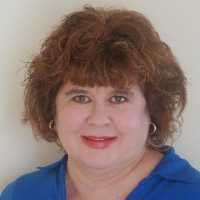
Therapist profile
Janice Nass, LCSW
Florida
LCSW working with anger and life changes
Continue with JaniceKey details
- CredentialsLCSW
- LicenseLCSW, Illinois / 149014364; LCSW, Florida / SW18054
- NPI1750666905
- Experience40 years
- LanguagesEnglish
- LocationFlorida
About
- CBT and ACT methods
- Practical communication skills
- Focus on daily routines
About Janice
Janice Nass is a Licensed Clinical Social Worker (LCSW) with 40 years of clinical experience. She practices in Florida and works with adults facing stress, anxiety, grief, depression, relationship strain, parenting challenges, addictions, ADHD, and anger among other concerns. Janice frames problems in everyday terms and focuses on concrete ways to respond rather than only talking about feelings.
She encourages clients to notice how they interpret difficult events and to reframe those thoughts when they no longer serve them. That process often begins with identifying core beliefs and values, then testing whether current actions match those priorities. Janice uses plain language and step-by-step work so people can try different responses in daily life.
Janice combines techniques from cognitive behavioral therapy, acceptance and commitment therapy, client-centered therapy, and solution-focused therapy. That blend is used to teach skills for managing upsetting thoughts, improving communication, and setting realistic goals. Sessions include practical exercises the client can use between meetings.
Her background includes long-term care and hospice social work, administrative roles, and practice in group mental health settings. Over decades of practice she has worked with people coping with chronic illness, caregiver stress, and life transitions. She describes therapy as a place to examine supports and strengthen healthier routines.
People who are frustrated with recurring anger, stuck in pessimism, or worn down by ongoing stress may find a straightforward approach here. The focus is on learning specific tools to respond differently, trying small changes, and building durable habits that fit real life.
How sessions work
How her approaches translate to online work
Acceptance and Commitment Therapy (ACT) helps people notice painful thoughts and feelings without letting them dictate action. It focuses on clarifying personal values and committing to small steps consistent with those values. Cognitive Behavioral Therapy (CBT) breaks down unhelpful thinking patterns and teaches strategies to change thoughts and behavior, which can reduce reactivity and improve mood. Client-centered therapy emphasizes listening and support while helping people find their own answers through reflection and dialogue.Deciding which approach to use is a collaborative part of the process. The therapist and client discuss goals, try techniques, and adjust the plan if something is not working. That shared decision-making helps match methods to the person's daily life and priorities rather than imposing a single model.
If you prefer online sessions, confirm the specific session options before booking because formats are not listed here. Online work can make it easier to fit therapy into a busy schedule, allow shorter check-ins when time is tight, and reduce travel time. Many people find remote sessions let them practice new skills in real contexts between meetings. The therapist will discuss practical arrangements and what will best support the work as part of your first sessions.
Areas of focus
Areas of expertise
Also works with
Additional focus areas
Therapeutic approaches
Experience
40+ years
Listed in
Illinois, Florida
Languages
English
Questions
Frequently asked questions
What kinds of problems does she address?
She works with stress, anxiety, grief, depression, relationship and parenting concerns, addictions, ADHD, anger, and related life changes.
How would you describe her therapeutic style?
Her style is straightforward and practical, combining talk with exercises and small behavioral steps to try between sessions.
How much clinical experience does she have?
She has 40 years of experience working in social work roles that include long-term care, hospice, administration, and mental health practice.
What are her credentials and where does she practice?
She is an LCSW licensed in Illinois and Florida and she practices in Florida.
Are sessions offered in other languages or to international clients?
Sessions are offered in English. International clients are not currently accepted.
What session formats are available?
Please confirm current session options before booking, as format details are not listed here.
How are fees handled?
Cost varies with location and sessions use a subscription that can be canceled at any time.
How do I begin working with her?
Use the See online therapy options button, complete a short matching questionnaire, and schedule a first session.
Details come from information the therapist supplied to BetterHelp. A license can be checked with the state board.
Online talk therapy is not emergency care. If anyone is unsafe, use the crisis numbers.