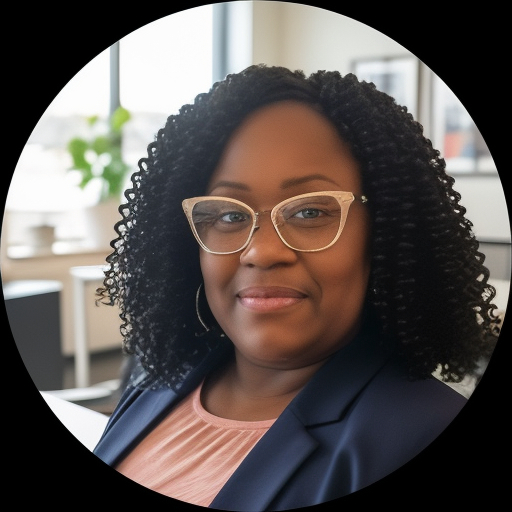
Therapist profile
Felisha Tillman, LPC-MHSP
Tennessee
Licensed Professional Counselor - Anger and Trauma
Continue with FelishaKey details
- CredentialsLPC-MHSP
- LicenseLPC-MHSP, Tennessee / 7703
- NPI1194533877
- Experience8 years
- LanguagesEnglish
- LocationTennessee
About
- Anger management skills
- DBT and CBT methods
- Trauma informed care
About Felisha
Felisha Tillman is a Licensed Professional Counselor–Mental Health Service Provider (LPC-MHSP) in Tennessee with eight years of clinical experience. She works with people who are managing stress, anxiety, trauma and abuse, anger, low self-esteem, and depression. She speaks English and centers sessions on practical skills and clearer emotional understanding.
Her approach blends structured techniques with a person-centered attitude. She uses methods such as Acceptance and Commitment Therapy, Cognitive Behavioral Therapy, Dialectical Behavior Therapy, and Emotionally-Focused Therapy to help people identify patterns that keep them stuck. Sessions focus on learning tools for emotional regulation and improving communication.
Clients who come in feeling overwhelmed or exhausted by old patterns spend time tracking what keeps them in survival mode. The work often includes learning coping strategies, setting clearer boundaries, and practicing ways to respond instead of react. Felisha emphasizes concrete steps people can use between meetings.
She has experience in community mental health, crisis intervention, and integrated behavioral health. That background informs how she structures sessions and follows measurable goals. The focus is on steady progress rather than quick fixes.
Felisha helps people process trauma responses and reduce the hold of shame, guilt, and impulsivity. She also supports those dealing with substance use concerns, family problems, caregiver stress, and attachment issues. People leave with practical tools, clearer communication habits, and a plan for continued growth.
How sessions work
How her approaches translate to online sessions
Acceptance and Commitment Therapy (ACT) helps people notice unhelpful thoughts and commit to actions that match their values. It is useful for reducing avoidance and for managing ongoing anger linked to stress and shame. Cognitive Behavioral Therapy (CBT) focuses on identifying thought and behavior patterns that fuel reactivity and then practicing alternative responses. It is practical for temper at work or home and for lowering chronic worry. Dialectical Behavior Therapy (DBT) offers specific skills for emotion regulation, distress tolerance, and interpersonal effectiveness, which can be useful when anger leads to impulsive actions.Determining which approach fits best is part of the work. The therapist and client discuss goals, preferences, and what has or hasn’t helped before. That conversation guides which methods are emphasized and how sessions are structured, and it remains collaborative throughout the process.
The biography does not list specific session formats, so confirm current online options before booking. Many people find online sessions make it easier to attend during work breaks, reduce travel time, or use shorter check-ins when life is busy. Online work can also let the therapist and client practice skills in everyday settings and follow up on real-world progress between meetings.
Areas of focus
Areas of expertise
Primary focus
Additional focus areas
Therapeutic approaches
Experience
8+ years
Listed in
Tennessee
Languages
English
Questions
Frequently asked questions
What concerns does she work with related to anger?
She supports people with anger alongside stress, anxiety, trauma and abuse, low self-esteem, and depression. Additional focus areas include impulsivity, family problems, and communication difficulties.
What is her therapeutic style when addressing temper issues?
Her style is structured and direct while remaining client-centered. Sessions mix skill teaching with exploration of patterns that fuel reactive behavior.
How much clinical experience does she have?
She has eight years of experience working in community mental health, crisis intervention, and integrated behavioral health settings.
What are her credentials and where does she practice?
She is a Tennessee Licensed Professional Counselor–Mental Health Service Provider (TN LPC-MHSP) practicing in Tennessee.
Does she offer sessions in other languages or to international clients?
Sessions are offered in English. She does not accept international clients.
What session formats are available?
The original biography does not specify session formats. Please confirm current session options before booking.
How are fees handled or billed?
Cost varies with location and sessions use a subscription that can be canceled at any time.
How do I begin working with her?
Select the See online therapy options button, complete the short matching questionnaire, and schedule a first session.
Details come from information the therapist supplied to BetterHelp. A license can be checked with the state board.
Online talk therapy is not emergency care. If anyone is unsafe, use the crisis numbers.