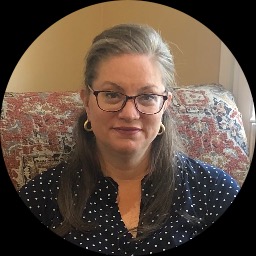
Therapist profile
Deborah Brehm, LPC
Georgia
Licensed Professional Counselor - Anger and Relationships
Continue with DeborahKey details
- CredentialsLPC
- LicenseLPC, Georgia / LPC004328
- NPI1851510051
- Experience21 years
- LanguagesEnglish
- LocationGeorgia
About
- Attachment focus
- Emotionally-Focused work
- Gottman Method
About Deborah
Deborah Brehm is a Licensed Professional Counselor (LPC) in Georgia with 21 years of experience. She has a specialist degree in psychological trauma from Georgia State University and a long history working in private practice. Deborah lists concerns such as stress, anxiety, relationship and intimacy issues, parenting, trauma and abuse, and anger among her focus areas.
She meets people where their life problem is. Sometimes sessions focus on the individual. Other times the conversation includes a partner or other family members when that fits the concern. She writes that therapy can shift between these views depending on what the client needs.
Her clinical work uses approaches like Attachment-Based Therapy, Client-Centered Therapy, Emotionally-Focused Therapy (EFT), Existential Therapy, and the Gottman Method. In practical terms that means she pays attention to how relationships shape feelings and behavior, and to the emotional patterns that repeat in close relationships.
Sessions often look like listening to the story, identifying the recurring patterns, and trying different ways to respond. For people dealing with anger this might mean naming triggers, practicing different responses, and talking through how relationships react to those changes. For trauma, sessions draw on her specialist training in trauma-related care.
Deborah works in Georgia and offers services in English. International clients are accepted. Before booking, people are asked to follow the listed steps to complete a short matching questionnaire and schedule a first session.
How sessions work
How Deborah's approaches relate to remote work
Attachment-Based Therapy looks at how early and current relationships shape emotional responses. It helps people trace where anger and hurt come from and how they replay in close relationships. Client-Centered Therapy emphasizes the client's perspective and pacing; the therapist follows the person’s lead and focuses on what matters most right now. Emotionally-Focused Therapy (EFT) concentrates on emotional patterns between partners and can be useful for intimacy and recurring conflicts.Finding the right approach is part of the work. The therapist will discuss which methods match the client's needs, goals, and preferences and will adjust the plan collaboratively as therapy progresses. That collaborative planning helps match tools to real-life problems such as snapping at loved ones or building resentment at work.
The original biography does not list specific session formats, so confirm the available online options before booking. Many people find that remote sessions make it easier to fit therapy into a busy schedule, allow quicker check-ins during a lunch break, or reduce travel time. Some formats also let a person choose shorter sessions when bandwidth is limited or use audio-only when video is not needed. Ask about the current session options when you schedule to pick what works best for everyday life.
Areas of focus
Areas of expertise
Primary focus
Also works with
Additional focus areas
Therapeutic approaches
Experience
21+ years
Listed in
Georgia
Languages
English
Questions
Frequently asked questions
What kinds of concerns does she address?
Her listed concerns include stress, anxiety, trauma and abuse, parenting, relationship and intimacy issues, anger, depression, bipolar, and coping with life changes.
How does she approach therapy?
She uses approaches such as Attachment-Based Therapy, Client-Centered Therapy, Emotionally-Focused Therapy (EFT), Existential Therapy, and the Gottman Method to focus on relationship patterns and emotional responses.
How much experience does she have?
She has 21 years of professional experience and a specialist degree in psychological trauma from Georgia State University.
Where does she practice and what credential does she hold?
She practices in Georgia and holds the credential Licensed Professional Counselor, abbreviated LPC.
Are sessions available in other languages or countries?
Sessions are offered in English and she accepts international clients.
What session formats are offered?
The original biography does not specify session formats; please confirm the current session options before booking.
How are costs handled?
Cost varies with location and sessions use a subscription that can be canceled at any time.
How do I begin working with her?
Select the See online therapy options button, complete a short matching questionnaire, and schedule a first session.
Details come from information the therapist supplied to BetterHelp. A license can be checked with the state board.
Online talk therapy is not emergency care. If anyone is unsafe, use the crisis numbers.