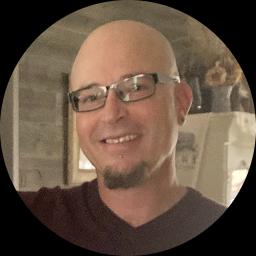
Therapist profile
Christopher Lankford, LCSW
Arkansas
LCSW - Anger and emotional regulation
Continue with ChristopherKey details
- CredentialsLCSW
- LicenseLCSW, Arkansas / 9321-C; LCSW, Missouri / 2024029657
- NPI1558920694
- Experience5 years
- LanguagesEnglish
- LocationArkansas
About
- Mindfulness techniques
- Skills for impulse control
- Acceptance strategies
About Christopher
Christopher Lankford is a Licensed Certified Social Worker, LCSW, authorized to practice in Missouri and Arkansas with five years of clinical experience. He completed his Master of Social Work at the University of New England in 2018 and helps people with stress, anxiety, anger, self-esteem, depression, trauma, and life changes.
He works in a direct, skills-focused way. Sessions emphasize learning practical tools to manage strong feelings and reduce reactive behavior. He draws on evidence-based approaches to help people notice thoughts and try different responses instead of automatic reactions.
Christopher uses mindfulness and behavioral strategies to slow things down when emotions are high. He also teaches acceptance-based skills so people can make choices that match their goals even when they feel upset. Work often includes short, concrete exercises to practice between sessions.
Clients who come for relationship strain, grief, or identity concerns like LGBT issues find a straightforward style that focuses on what to do next. He also supports people dealing with ADHD, bipolar mood swings, addiction concerns, and trauma symptoms by teaching coping and communication skills.
Sessions are practical and goal-oriented. Christopher encourages small, measurable steps and regular practice. He asks about daily routines and patterns so suggested changes fit into real life.
How sessions work
How his approaches fit into online work
Acceptance and Commitment Therapy (ACT) helps people notice thoughts and feelings without trying to fight them, then choose actions that match their values. It is useful when anger comes from long-standing patterns or avoidance. Cognitive Behavioral Therapy (CBT) breaks situations down to spot unhelpful thoughts and test them with real-world experiments, which is helpful for anger triggered by assumptions or distorted thinking. Dialectical Behavior Therapy (DBT) teaches emotion regulation, distress tolerance, and interpersonal skills to reduce impulsive reactions and improve communication.Finding the right mix of approaches is part of the work. The therapist collaborates with each person to decide which strategies fit their goals and daily life. That means trying specific skills, reviewing what works, and adjusting the plan together based on progress and feedback.
Confirm the exact session formats before booking because the biography did not list them. Online work can make it easier to fit sessions into a busy week, allow shorter check-ins when needed, and reduce travel time. It also lets people practice skills between sessions in the settings where they usually get triggered. Licensed professionals can adapt ACT, CBT, and DBT exercises for remote sessions so clients keep moving toward clearer behavior choices.
Areas of focus
Areas of expertise
Primary focus
Also works with
Additional focus areas
Therapeutic approaches
Experience
5+ years
Listed in
Arkansas, Missouri
Languages
English
Questions
Frequently asked questions
What kinds of concerns does he address related to anger?
He helps with anger that shows up as snapping at others, workplace frustration, built-up resentment, and problems managing impulses. Other related concerns include anxiety, stress, depression, trauma, and relationship issues.
What is his general approach in sessions?
He uses evidence-based methods focused on skill building. Sessions typically teach practical techniques to notice thoughts, manage strong feelings, and respond differently.
How much clinical experience does he have?
He has five years of professional experience since completing his master of social work in 2018. That background includes helping people with anger, trauma, mood concerns, and coping skills.
What are his credentials and where is he based?
He is a Licensed Certified Social Worker (LCSW) with licensure in Missouri and Arkansas, and he practices from Arkansas.
Can I work with him if I live outside the United States?
Sessions are offered in English and he is not accepting international clients at this time.
Which session formats are offered?
Please confirm current session options before booking, as formats were not specified in the biography. Check the platform listing for the latest session formats.
How are fees handled for sessions?
Cost varies with location and sessions use a subscription that can be canceled at any time. Exact pricing is provided through the platform at signup.
What is the first step to start working together?
Select the See online therapy options button, complete the short matching questionnaire, and schedule a first session to get started.
Details come from information the therapist supplied to BetterHelp. A license can be checked with the state board.
Online talk therapy is not emergency care. If anyone is unsafe, use the crisis numbers.