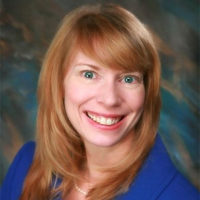
Therapist profile
Cheryl Osler, LMHC
Washington
Licensed Mental Health Counselor - Anger and Anxiety
Continue with CherylKey details
- CredentialsLMHC
- LicenseLMHC, Washington / LH60083181
- NPI1093041113
- Experience10 years
- LanguagesEnglish
- LocationWashington
About
- CBT for behavior change
- Acceptance and Commitment Therapy
- Values based work
About Cheryl
Cheryl Osler is a Licensed Mental Health Counselor (LMHC) in Washington with ten years of private practice experience. She works with adults on issues such as stress, anxiety, relationship difficulties, career concerns, coping with life changes, addictions, grief, sleep and eating problems, and anger. Sessions are conducted in English and Cheryl accepts international clients.
Cheryl uses practical, skills-based approaches in session. She draws on Cognitive Behavioral Therapy to help people spot unhelpful thinking and change behaviors. She also uses Acceptance and Commitment Therapy and client-centered methods to help people clarify values and build actions that match those values.
Sessions focus on clear steps and tools. Cheryl helps people develop coping skills for overwhelming moments, plan manageable behavior changes, and practice new responses to recurring triggers. She uses short-term problem-focused work when appropriate and also supports deeper exploration of patterns when clients want that.
Her background includes nursing and clinical mental health training alongside a decade as a licensed counselor in private practice. That mix informs a practical style that links everyday routines and coping strategies to mental health goals.
People often come for help calming heightened reactions, repairing communication patterns, or reducing work-related irritability that spills into home life. Cheryl aims to help clients recognize patterns, test small changes, and build habits that reduce stress and reactivity over time.
How sessions work
How her approaches translate to online work
Acceptance and Commitment Therapy (ACT) helps people notice thoughts and feelings without getting pushed around by them and then commit to small actions that match what matters. ACT can be useful for anger that comes from avoidance, rumination, or stuck patterns. Cognitive Behavioral Therapy (CBT) focuses on identifying unhelpful thoughts and testing practical changes in behavior. CBT is often used for anger tied to automatic thoughts, stress, or workplace reactivity. Client-Centered Therapy emphasizes listening and collaboration so clients can reflect and choose changes at their own pace. Choosing an approach is part of the work. Cheryl will talk with the client about goals, try methods that fit those goals, and adjust the plan together. That collaborative process helps match tools to what the person needs right now. Confirm the therapist's current session options before scheduling, as the biography does not list specific formats. Online sessions can make it easier to fit meetings into a busy week, reduce time spent traveling, and allow for shorter check-ins when needed. They can also support steady practice of skills between appointments, making it simpler to try new responses in real life and bring back observations to discuss in session.Areas of focus
Areas of expertise
Primary focus
Also works with
Additional focus areas
Therapeutic approaches
Experience
10+ years
Listed in
Washington
Languages
English
Questions
Frequently asked questions
What kinds of anger-related problems does she help with?
She helps with snapping at loved ones, workplace frustration, built-up resentment, and reactions to others' anger alongside related issues such as stress and relationship conflict.
What is her general approach in sessions?
She uses practical, skills-focused methods including Cognitive Behavioral Therapy and Acceptance and Commitment Therapy to identify thoughts, try new responses, and build habits that reduce reactivity.
How much clinical experience does she have?
She has ten years working as a licensed mental health counselor in private practice, plus prior nursing and clinical mental health training.
What are her credentials and where is she based?
She is an LMHC licensed in Washington and practices with a Washington credential.
Are sessions available in other languages or internationally?
Sessions are offered in English, and she does accept international clients.
Which session formats does she offer?
The original biography does not specify session formats; please confirm current session options before booking.
How are sessions paid for and what does it cost?
Cost varies with location; sessions use a subscription that can be canceled at any time.
How do I begin working with her?
Start by selecting the See online therapy options button, complete a short matching questionnaire, and schedule a first session.
Details come from information the therapist supplied to BetterHelp. A license can be checked with the state board.
Online talk therapy is not emergency care. If anyone is unsafe, use the crisis numbers.