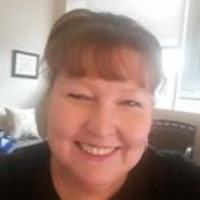
Therapist profile
Casey Myers, LPC
Arkansas
Licensed Professional Counselor - Anger and Anxiety
Continue with CaseyKey details
- CredentialsLPC
- LicenseLPC, Arkansas / P1903039
- NPI1366709347
- Experience3 years
- LanguagesEnglish
- LocationArkansas
About
- CBT methods
- DBT skills
- Attachment focus
About Casey
Casey Myers is an Arkansas Licensed Professional Counselor (LPC) with three years of post-licensure experience. She works with adults on practical problems like stress, anxiety, depression, grief, sleep trouble, relationship and intimacy issues, and anger. Sessions focus on concrete skills and steady progress rather than quick fixes.
Casey uses familiar, evidence-informed methods to help people change unhelpful patterns. She draws on Cognitive Behavioral Therapy (CBT) to spot thinking traps and Dialectical Behavior Therapy (DBT) to teach emotional regulation and distress tolerance. She also uses Attachment-Based and Client-Centered ideas to improve relationships and self-understanding.
Her background includes work across clinical settings before becoming an LPC. That experience informs straightforward strategies for life changes, coping with loss, and managing mood swings or attention differences. She frames therapy as practical problem-solving rather than abstract theory.
Typical sessions look at what’s happening now, what patterns repeat, and what small steps could reduce anger, anxiety, or overwhelming stress. People learn skills for calmer reactions, better sleep, and clearer communication. Therapy also addresses substance and behavior concerns when they affect daily life.
Casey invites collaboration. She helps clients set goals, track progress, and adapt tools when needed. Sessions are conducted in English and international clients are accepted; confirm current session options before booking.
How sessions work
How her approaches translate to online work
Attachment-Based work looks at how relationships shape responses. It helps people notice patterns in close relationships and try new ways of connecting that reduce anger and mistrust. Cognitive Behavioral Therapy (CBT) focuses on how thoughts drive feelings and actions and teaches practical steps to test and change those patterns. Dialectical Behavior Therapy (DBT) offers concrete skills for managing intense emotions and improving how someone copes in the moment.Figuring out which approach fits is part of the process. The therapist will review the client’s goals and preferences and make decisions together about which methods to emphasize. That collaborative selection helps keep sessions focused on everyday problems and realistic steps forward.
Confirm the session formats available before booking so you know how meetings will be arranged. Online options can make it easier to fit sessions into a workday, reduce travel time, allow shorter check-ins when life is busy, and remove the need to be on camera when that helps with focus. Licensed professionals can adapt CBT and DBT exercises to phone or video visits, and attachment-focused conversations work well in remote sessions. Ask about the current session types when you schedule to match format to your practical needs.
Areas of focus
Areas of expertise
Also works with
Additional focus areas
Therapeutic approaches
Experience
3+ years
Listed in
Arkansas
Languages
English
Questions
Frequently asked questions
What kinds of anger issues does she address?
She helps with snapping at loved ones, workplace frustration, building resentment, and reactions to other people’s anger.
What style of therapy does she use for anger?
She uses Cognitive Behavioral Therapy and Dialectical Behavior Therapy techniques alongside attachment-focused and client-centered approaches.
How much clinical experience does she have?
Casey holds an LPC credential and has three years of experience since licensure, plus earlier work in children and family services.
Where is she based and licensed?
She is based in Arkansas and practices as an AR LPC.
In which languages can sessions be conducted?
Sessions are offered in English and international clients are accepted.
What session formats are available?
Confirm current session options before booking to see which formats are offered for initial and follow-up sessions.
How are sessions paid for and what do they cost?
Cost varies by location; sessions use a subscription that can be canceled at any time.
How do I begin working with her?
Select the See online therapy options button, complete the short matching questionnaire, and schedule a first session.
Details come from information the therapist supplied to BetterHelp. A license can be checked with the state board.
Online talk therapy is not emergency care. If anyone is unsafe, use the crisis numbers.