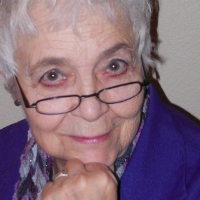
Therapist profile
Dr. Carol Carrell, LMFT
California
Dr. Carol Carrell, LMFT - Anger and Relationship work
Continue with CarolKey details
- CredentialsLMFT
- LicenseLMFT, California / 29475; LMFT, Arizona / LMFT-15478
- NPI1659691400
- Experience30 years
- LanguagesEnglish
- LocationCalifornia
About
- CBT techniques
- Emotion-focused work
- Communication skill-building
About Carol
Dr. Carol Carrell is a Licensed Marriage and Family Therapist (LMFT) practicing in California with 30 years of clinical and teaching experience. She helps people manage stress, anxiety, depression, anger, relationship strain, and caregiving fatigue. She also supports concerns around addiction, trauma and abuse, grief, and life transitions.
Dr. Carrell uses practical talk therapy alongside structured techniques. Sessions often focus on improving communication, spotting unhelpful thinking patterns, and building concrete coping skills. She draws on client-centered work to keep discussions grounded in the person's experience.
Her background includes long-term clinical work and roles as a professor and supervisor. That mix has informed a flexible approach - she adapts methods to fit what each person needs rather than relying on a single method. This means combining cognitive-behavioral strategies, emotion-focused techniques, or skills from dialectical behavior therapy when useful.
People who come for help with anger often work on recognizing early warning signs, testing different responses, and practicing calmer ways to state needs. For relationship concerns she emphasizes communication habits, identifying strengths, and setting realistic goals together.
Her work also covers complex medical and caregiving situations, blended family challenges, and issues linked to aging, chronic illness, or substance use. Sessions aim to be straightforward and actionable so that clients can try changes between meetings.
How sessions work
How her approaches translate to online sessions
Client-centered therapy focuses on listening and building a collaborative relationship. In practice that means the therapist reflects what the client says, helps organize thoughts, and keeps the conversation focused on the client's concerns. This approach supports people who want a steady, person-focused conversation about anger and stress.Cognitive Behavioral Therapy (CBT) targets the links between thoughts, feelings, and actions. It uses short exercises to notice automatic thoughts and to test different responses. CBT works well for anger patterns tied to workplace stress, negative thinking, or sleep disruption.
Dialectical Behavior Therapy (DBT) contributes skills for managing strong emotions and improving interpersonal effectiveness. DBT-based techniques include breathing, grounding, and clear communication practices useful when anger spikes or when relationships are strained.
Deciding which approach to use is collaborative. The therapist will discuss goals, try methods, and adjust based on what helps. Clients and therapist check progress together and select tools that fit the person’s needs and preferences.
The profile does not list specific session formats, so confirm current online options before booking. Online work can make it easier to fit sessions into a busy week, allow shorter check-ins when needed, and remove commute time. Talk-based methods, CBT worksheets, and DBT skills practice adapt well to remote sessions when both parties agree on the format.
Areas of focus
Areas of expertise
Primary focus
Also works with
Additional focus areas
Therapeutic approaches
Experience
30+ years
Listed in
California, Arizona
Languages
English
Questions
Frequently asked questions
What kinds of anger concerns does she support?
She works with anger related to relationships, workplace frustration, caregiver strain, and built-up resentment. The profile lists anger alongside other concerns such as anxiety and depression.
How does she approach therapy for anger?
She blends client-centered conversation with specific methods like cognitive behavioral tools and emotion-focused work. The aim is to surface patterns and practice alternative responses.
How much clinical experience does she have?
She has 30 years of experience as a clinician and as a professor and supervisor. That history informs a flexible, skills-based style.
What are her professional credentials and location?
She is an LMFT licensed in California and Arizona, practicing from California according to the profile details.
Does she work in languages other than English?
Sessions are offered in English as listed in the profile.
What session formats are offered?
The original biography did not specify session formats. Confirm current session options with the provider before booking.
How is pricing handled?
Cost varies with location and sessions use a subscription model that can be canceled at any time, per the profile information.
How do I begin working with her?
Use the See online therapy options button, complete the short matching questionnaire, and schedule a first session as described in the profile.
Details come from information the therapist supplied to BetterHelp. A license can be checked with the state board.
Online talk therapy is not emergency care. If anyone is unsafe, use the crisis numbers.