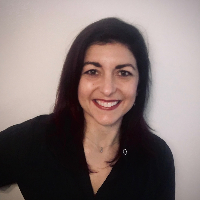
Therapist profile
Susan Shafer, LCMHC, LPC
New Jersey
Licensed counselor - Anger and mood concerns
Continue with SusanKey details
- CredentialsLCMHC, LPC
- LicenseLCMHC, North Carolina / 8482; LPC, New Jersey / 37PC00876900
- NPI1144570623
- Experience15 years
- LanguagesEnglish
- LocationNew Jersey
About
- CBT strategies
- Mindfulness techniques
- Client-centered work
About Susan
Susan Shafer is a Licensed Clinical Mental Health Counselor (LCMHC) and a Licensed Professional Counselor (LPC) with 15 years of experience. She practices from New Jersey and helps people who are dealing with stress, anxiety, anger, depression, trauma, ADHD, grief, and life transitions.
Susan uses a mix of practical approaches rather than one fixed method. She draws on client-centered techniques to follow what matters most to the person in front of her. She also uses cognitive behavioral strategies to notice and change unhelpful thinking and behavior patterns.
Mindfulness tools and breathing or movement practices are part of her work when they fit a client’s goals. These techniques are used to increase awareness of emotions and physical reactions so people can respond more deliberately instead of reacting on impulse. Susan sometimes incorporates short educational pieces to help people practice new skills between sessions.
Her background includes community counseling and years of hands-on work with adults, adolescents, and children in varied settings. That experience informs how she adapts sessions for different challenges, including parenting stress, workplace frustration, and relationship conflict. She also supports people facing addiction, career crossroads, and mood disorders.
Susan invites a collaborative approach: clients set goals and track progress. She encourages trying practical exercises during and between sessions. People who want clearer thinking around anger, more control over impulsive reactions, or steadier moods will find straightforward, skills-based options in her work.
How sessions work
How her approaches translate to online work
Client-Centered Therapy focuses on listening and responding to what matters most to the client. Online sessions using this approach prioritize the client’s goals and let the therapist follow the client’s pace and priorities.Cognitive Behavioral Therapy (CBT) breaks down how thoughts, feelings, and actions connect and teaches concrete strategies to change patterns. In remote sessions CBT can include homework, thought records, and quick behavior experiments between meetings to test what helps.
Mindfulness Therapy uses simple attention and breathing practices to notice emotions and bodily reactions before acting. These exercises can be practiced during sessions and repeated outside of them to reduce reactivity and support steadier responses to anger.
Finding the right mix of approaches is part of the work. The therapist will collaborate with the client to decide which methods to try based on goals, preferences, and how they respond. That conversation happens early and can be revisited as needs change.
Session format options are not specified in the profile, so confirm available online formats before booking. Many people find remote sessions helpful because they fit into daily routines, allow brief check-ins when schedules are tight, or make it easier to practice skills between meetings. Discussing which format will best match your needs is a practical first step.
Areas of focus
Areas of expertise
Primary focus
Also works with
Additional focus areas
Therapeutic approaches
Experience
15+ years
Listed in
North Carolina, New Jersey
Languages
English
Questions
Frequently asked questions
What kinds of anger-related problems does she address?
She helps people who snap at loved ones, feel rising resentment, or struggle with workplace frustration. Anger is listed alongside related issues such as impulsivity and communication problems.
What is her general therapy style?
She works in a client-centered, practical way and blends approaches like cognitive behavioral therapy and mindfulness. The focus is on skills you can use in daily life.
How long has she been practicing?
She has been providing counseling for 15 years, with experience across community settings and work with children, adolescents, and adults.
What are her credentials and where does she practice?
She holds LCMHC and LPC credentials and practices from New Jersey while also holding a North Carolina LCMHC background.
Does she offer sessions in other languages or to international clients?
Sessions are offered in English. She does not accept international clients at this time.
What session formats are available?
Please confirm current session options before booking, as formats are not specified in the profile. Check the online therapy options to see what is offered.
How are fees handled?
Cost varies with location and sessions use a subscription model that can be canceled at any time.
How do I begin working with her?
Select the See online therapy options button, complete the short matching questionnaire, and schedule a first session.
Details come from information the therapist supplied to BetterHelp. A license can be checked with the state board.
Online talk therapy is not emergency care. If anyone is unsafe, use the crisis numbers.